

A new comet class may explain 'Oumuamua's weirdness and Earth’s habitability puzzle
Researchers suggest 'dark' comets with tails could decode an interstellar visitor and hint at how Earth became livable.
By Nora Al-Subaie·· 3 min

Curating from trusted global sources…
Curated from trusted global sources, refined into briefing-grade analysis with executive summaries, insights, and bullet-point takeaways.
Researchers suggest 'dark' comets with tails could decode an interstellar visitor and hint at how Earth became livable.

New radio observations help researchers time the internal motion inside infant stars, narrowing what likely triggers collapse.

Reusable rockets may finally turn Chinese satellite launches from “promising” into “predictable,” reshaping pricing and scheduling.

A 1980s Hell's Kitchen gang war gets a standout duo performance that makes MGM+ look less like background noise.
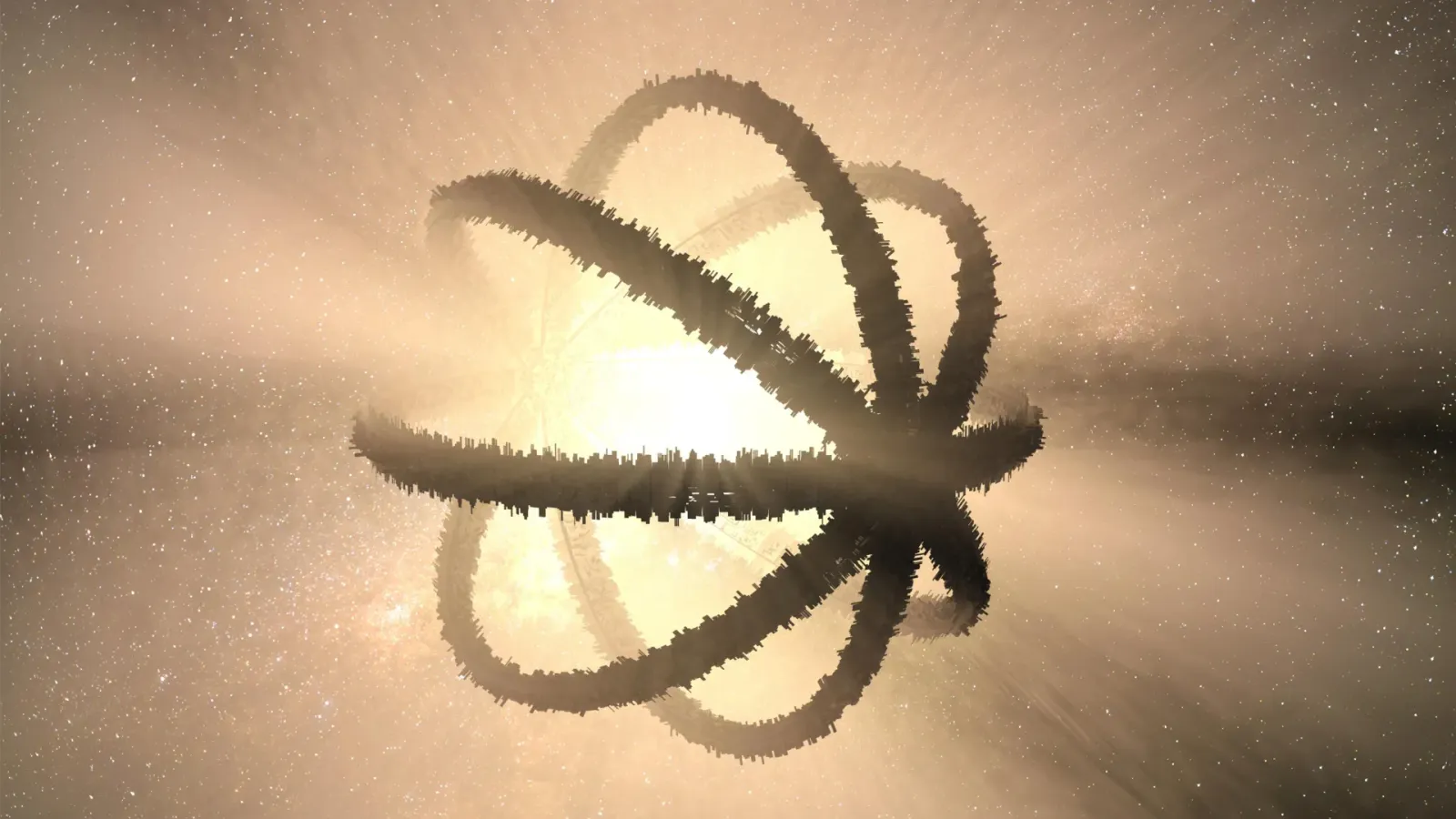
New research points astronomers to infrared glow, dustless spectra, and odd flicker patterns as the tell.
A new genetic read on 16th century remains changes what people thought happened and shows how evidence can outmuscle legend.

NASA says a new NISAR urgent response process mapped surface displacement fast enough to aid disaster response, revealing fault-slip details.
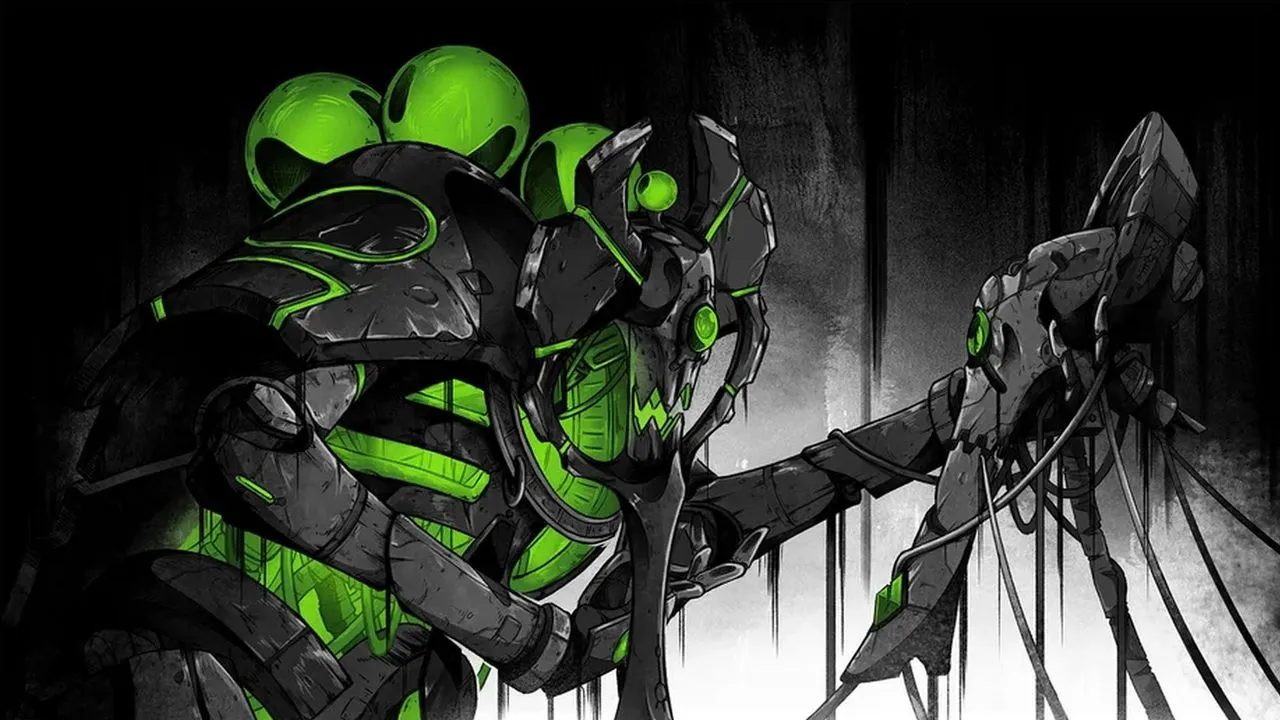
The author is back for The Wicked and the Warped, where two long-time necrons must team up against Chaos corruption.
A shrunken, gravity-defying “screw” could move molecules at tiny scales, with implications for biotech tools and lab automation.
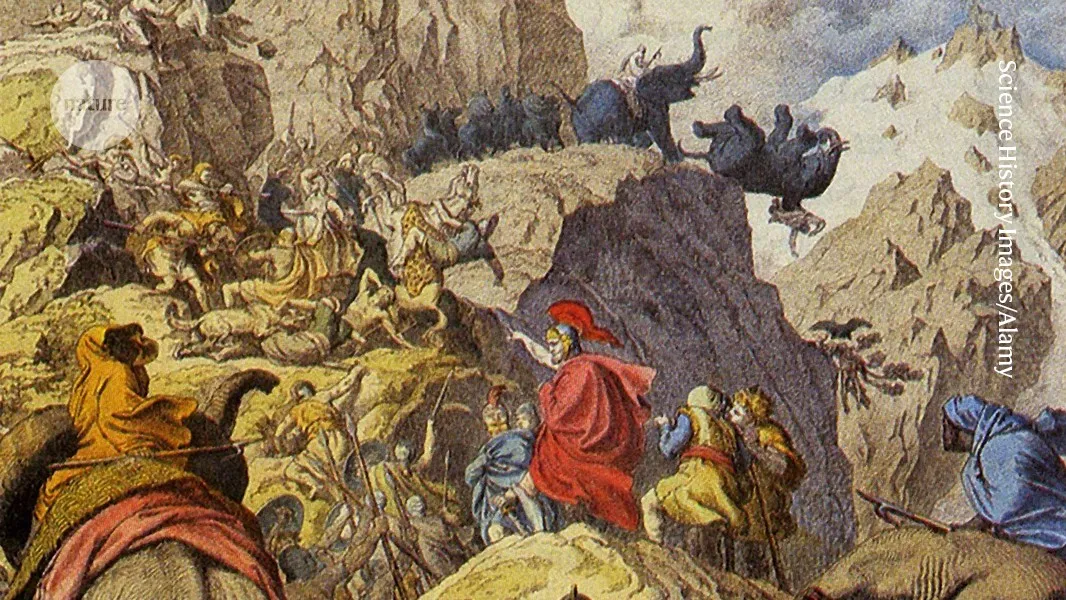
A new Nature study estimates how mountain travel would have depleted pachyderms, horses, and soldiers.

A Nature staff briefing revisits the adult-cell cloning breakthrough and what it taught scientists about faster iteration.
Nature staff revisit the mammal cloning milestone and a separate breakthrough: direct observation of new ocean-floor crust forming.