
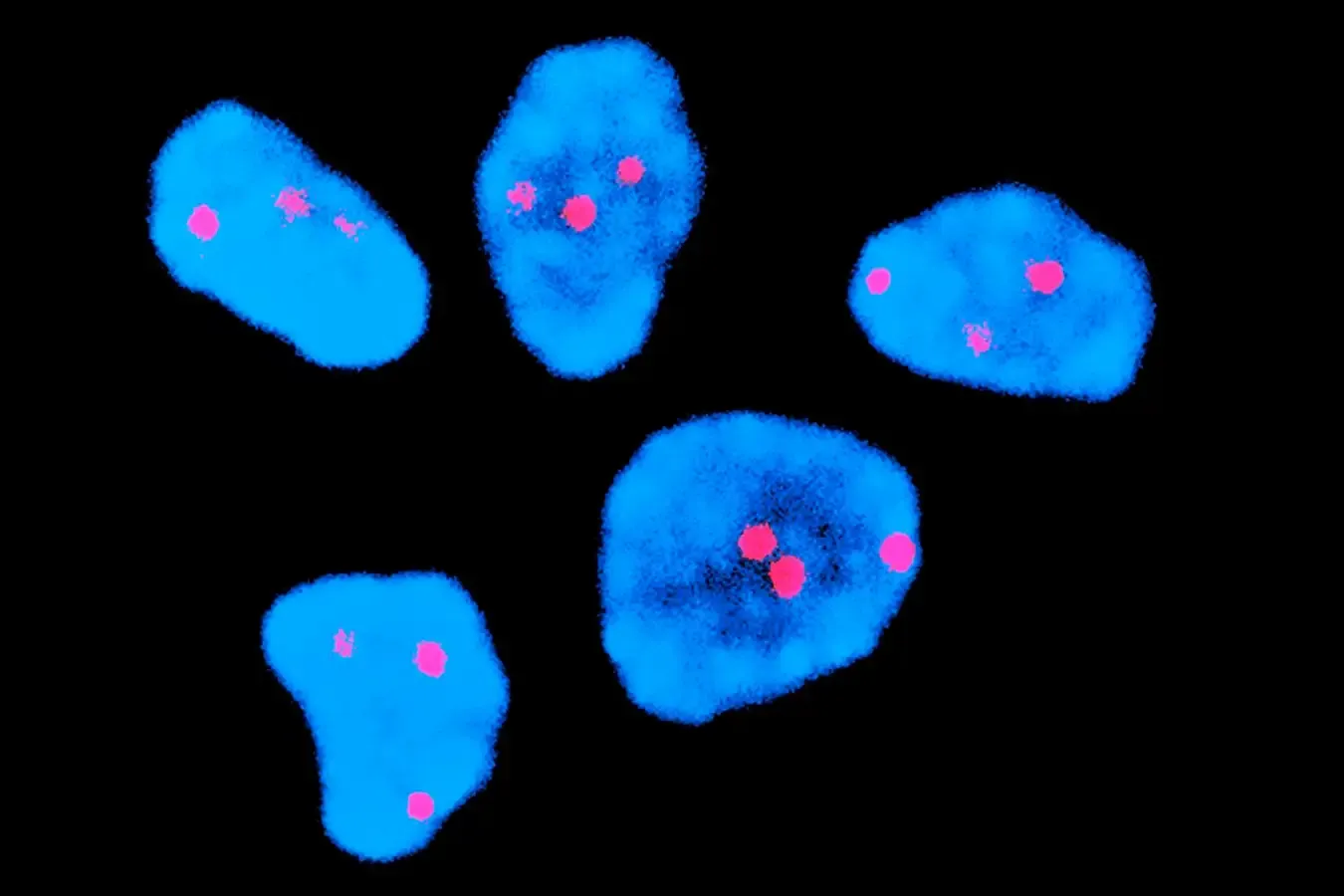
mRNA injection cuts chromosome-number errors in older human eggs with missing key protein
A common age-related egg problem may be easier to reduce when cells are helped to make the missing protein.
By Salman Al-Amri·· 4 min

Curating from trusted global sources…
Curated from trusted global sources, refined into briefing-grade analysis with executive summaries, insights, and bullet-point takeaways.
A common age-related egg problem may be easier to reduce when cells are helped to make the missing protein.

A new Nature Communications method aims to track outbreaks, monitor antibiotic resistance, and speed infection research where capacity is thin.

The plan targets the sunward “blind spot,” and the details suggest specific satellite orbits plus data-sharing pressure.

SpaceX's Starship moves the market by scaling payload to low-Earth orbit, forcing buyers and competitors to re-plan.

The research suggests sleep is not one thing. For leaders, it changes how to think about risk, productivity, and care.
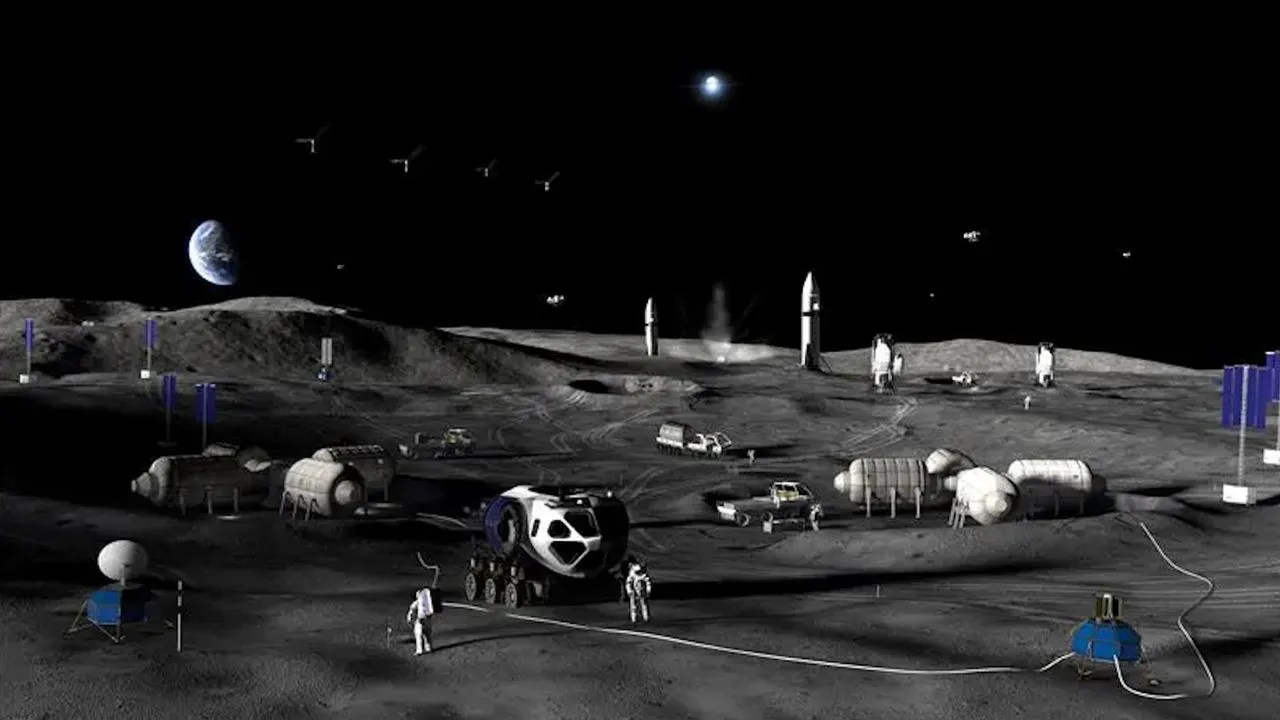
Agent-based modeling finds six astronauts and biweekly resupply maximize mission success probability.

Live Science argues urban trees and green spaces need minimum standards for protection, quality, and maintenance, or heat wins.
A new Ediacaran fossil study suggests “right-handedness” showed up extremely early, reshaping how we think about animal development.
A hidden ocean process could swing climate outcomes fast, forcing fisheries and climate-risk planning to rethink timelines.

A Nature study proposes detecting tell-tale neutrons from orbiting weapons using commercially available “inspector” satellites.

A precise wake-up, then an extended Pluto-to-Kuiper Belt plan: what it means for long-duration mission risk and cost.

A new look at photosynthesis vs. wood production suggests forests may store more carbon longer than models assume.