

TU Wien and Innsbruck find a nickel-zirconia route: CO2 to climate-neutral methane
A surprising reaction pathway could let captured CO2 become methane, changing the economics of “hard to electrify” sectors.
By Lama Al-Rashid·· 3 min

Curating from trusted global sources…
Curated from trusted global sources, refined into briefing-grade analysis with executive summaries, insights, and bullet-point takeaways.
A surprising reaction pathway could let captured CO2 become methane, changing the economics of “hard to electrify” sectors.

A PvE mode with a single commander and wave-based pressure keeps finding matches, even in 2024.

A unanimous ruling overturns a 1998 death sentence built on bite-mark analysis now called junk science.
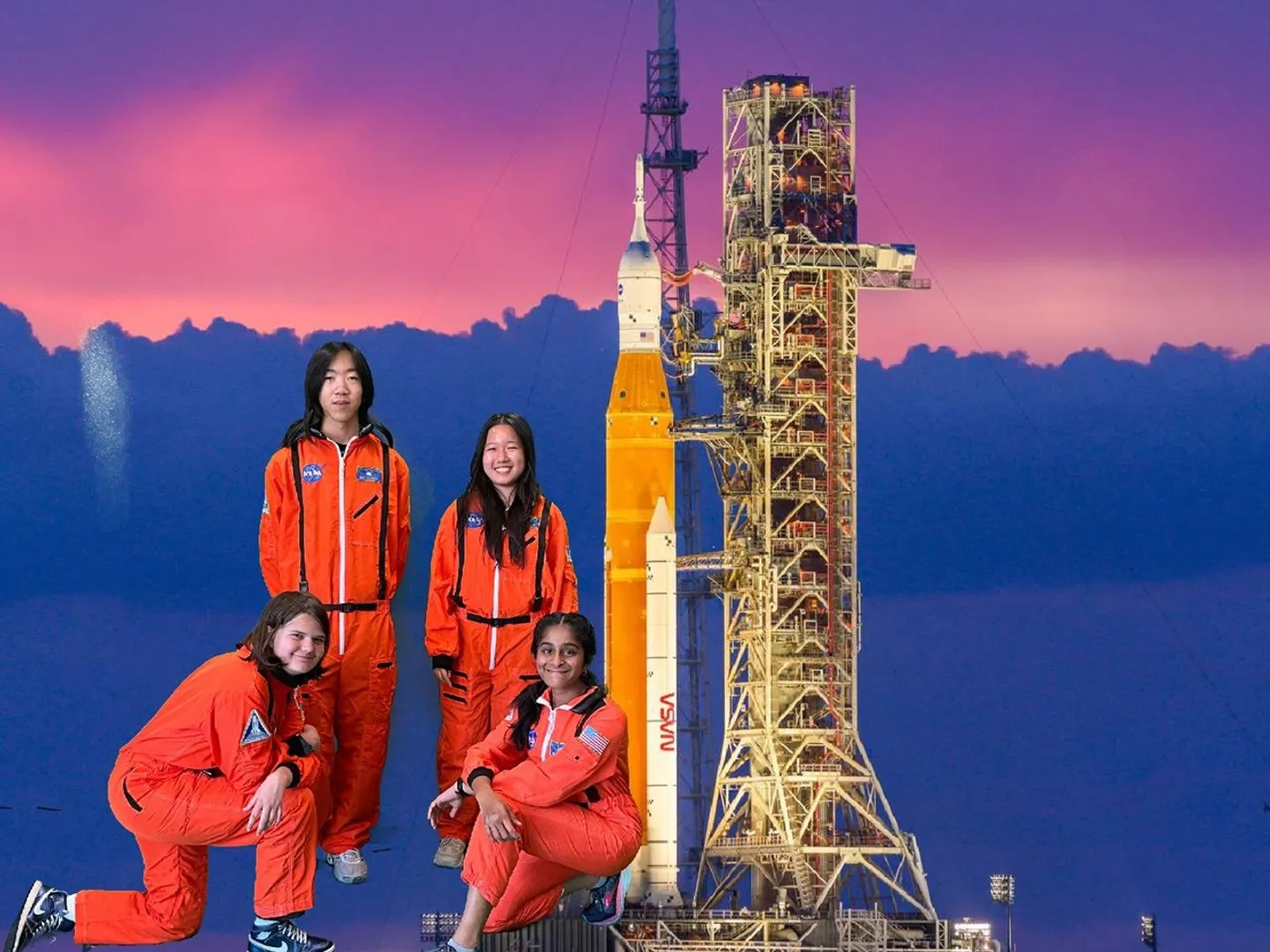
NASA’s Science Activation program put kids on Rover Observation And Discoveries in Space teams across eight states.
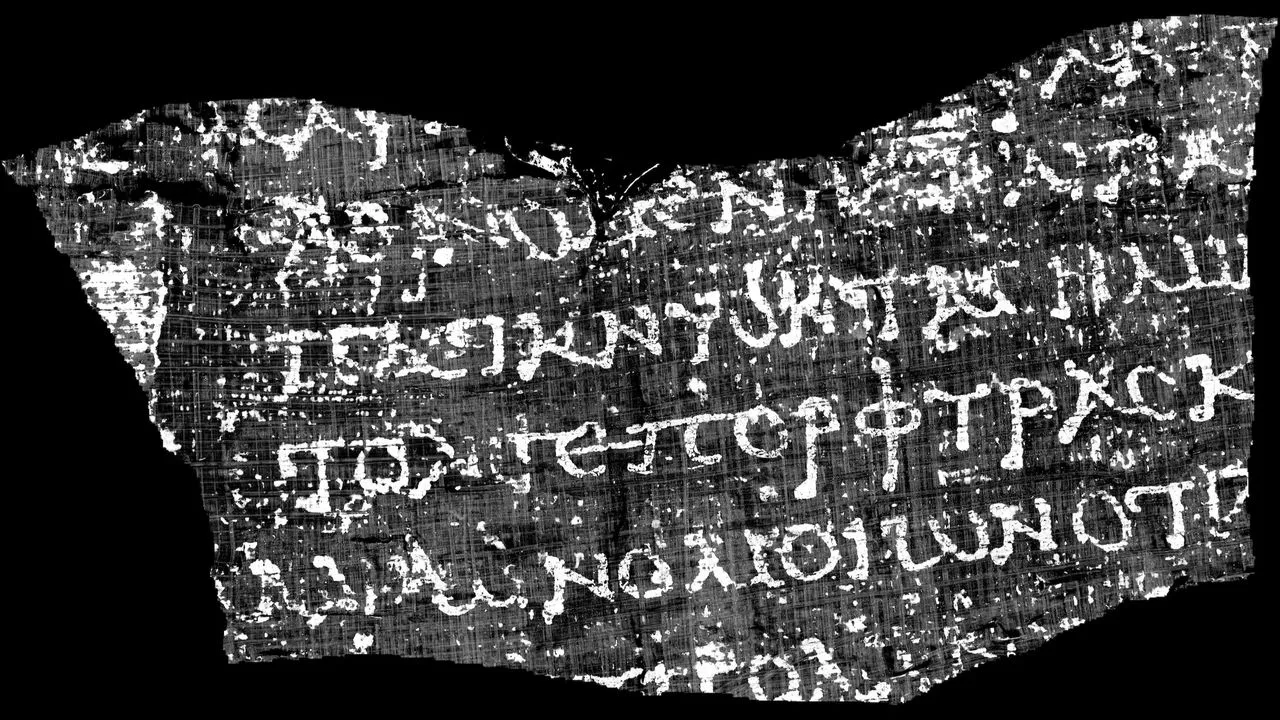
After nearly 2,000 years, researchers digitally read PHerc. 1667 and PHerc. 172 and may have expanded early Stoicism.
A new structural map clarifies how RNA interference cuts land differently, helping drug makers improve potency and predictability.
New research uses two cheap pantry staples to make carbohydrate-based medicines, aiming to replace expensive treatments.
Forced migration is increasingly driven by lack of water, and games are emerging as a fast way to make that reality legible.
A 40-plus-year gap in major wind tunnels closes with FDRF, reshaping Moon, X-plane, and drone testing.
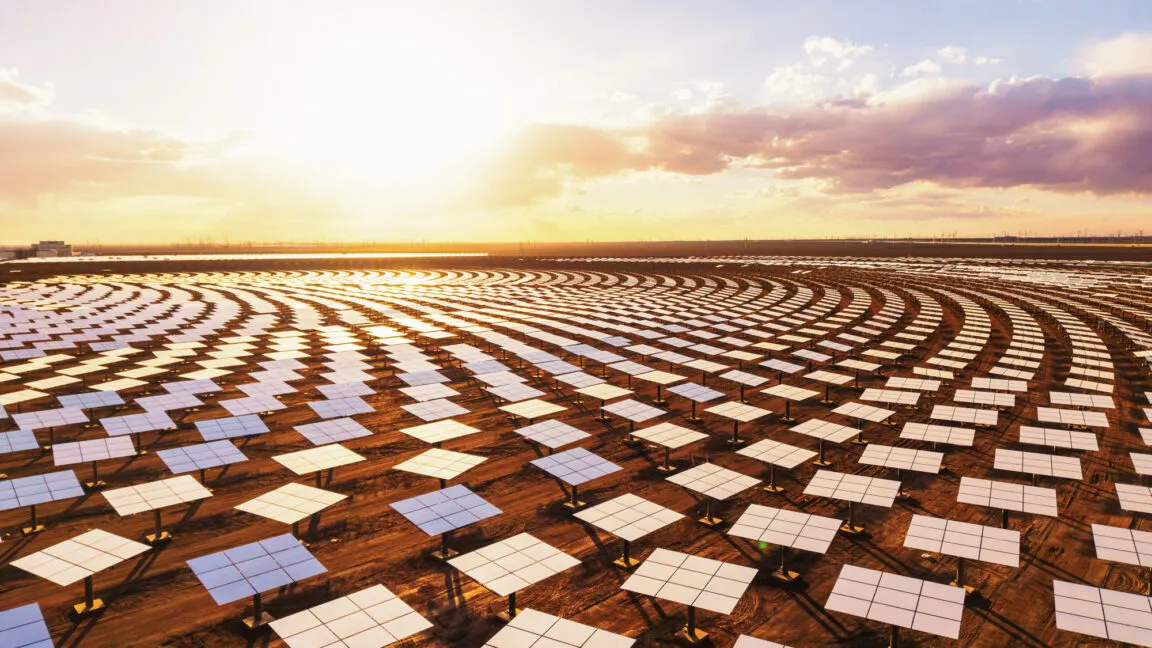
EIA’s official numbers confirm solar passed coal in April, with a key caveat about rooftop power.

A 6.5-hour ISS spacewalk replaces a 200-pound robotic arm part after a May 27 malfunction.
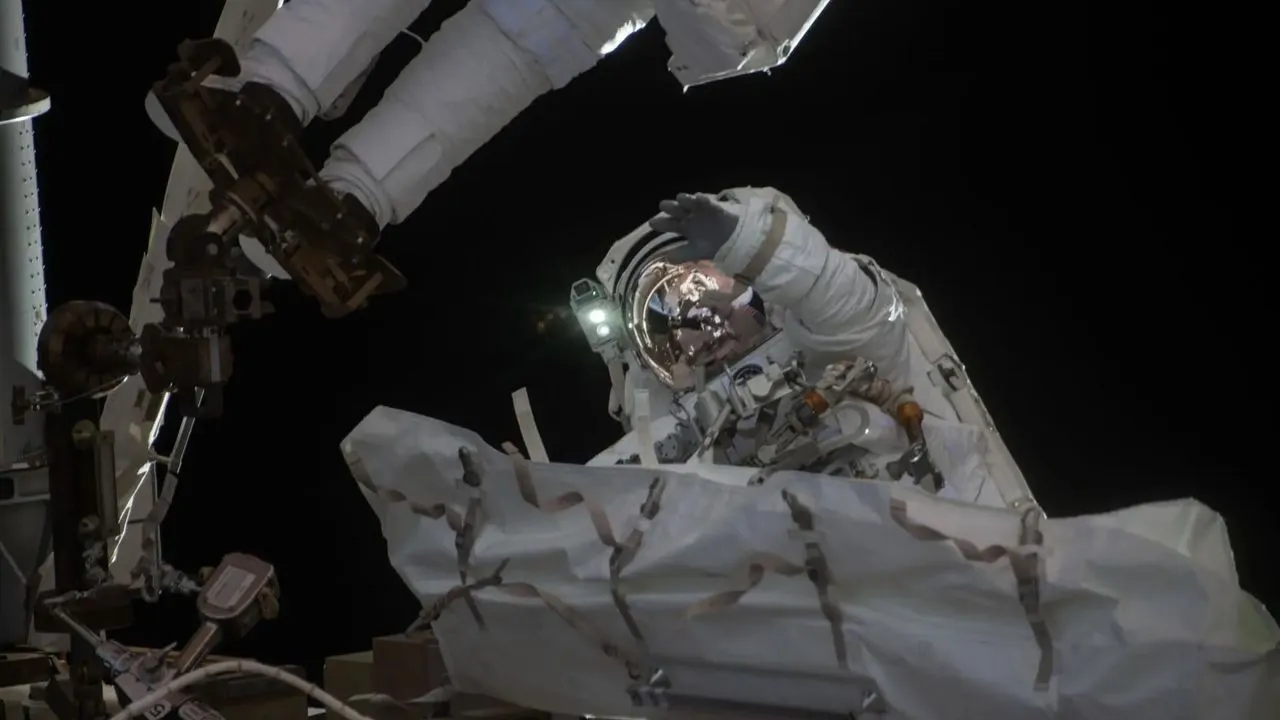
The 6.5-hour ISS spacewalk swaps a 200-pound robotic arm part after a May 27 malfunction, live.