

China regains supercomputer crown by betting on CPUs, not GPUs
The latest ranking flips the usual accelerator playbook, and it has real implications for hardware strategy and policy.
By Lama Al-Rashid·· 3 min

Curating from trusted global sources…
Curated from trusted global sources, refined into briefing-grade analysis with executive summaries, insights, and bullet-point takeaways.
The latest ranking flips the usual accelerator playbook, and it has real implications for hardware strategy and policy.

Wi-Fi, doorbells, and smart locks get sharper pricing, with Matter, Thread, and AI features in the mix.

Bloomberg reports Google is launching an alum-driven AI incubator, turning former employees into a strategic pipeline.

The Irish startup is buying B300 chips to expand a GDPR-compliant platform for banks, hospitals, and law firms that cannot export data.

A Paris startup backed by former Datadog operators is fighting telemetry blowups and the costs model they trigger.

Human annotators quietly translate every match into feeds, calls, and odds, powering teams, broadcasters, and betting systems.
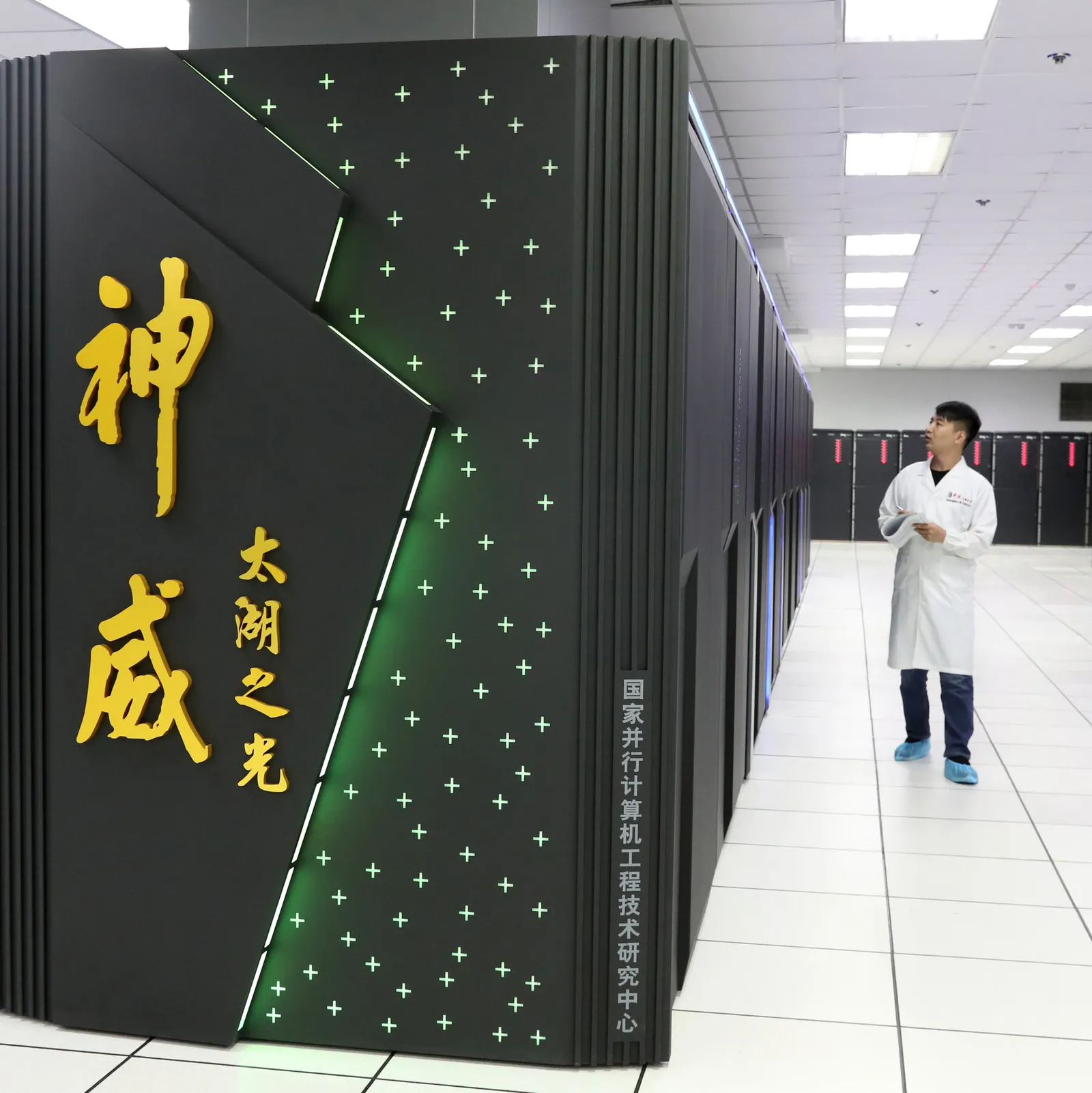
The world’s fastest system is built from standard microprocessors, a blow to the usual GPU-heavy roadmap and geopolitics.
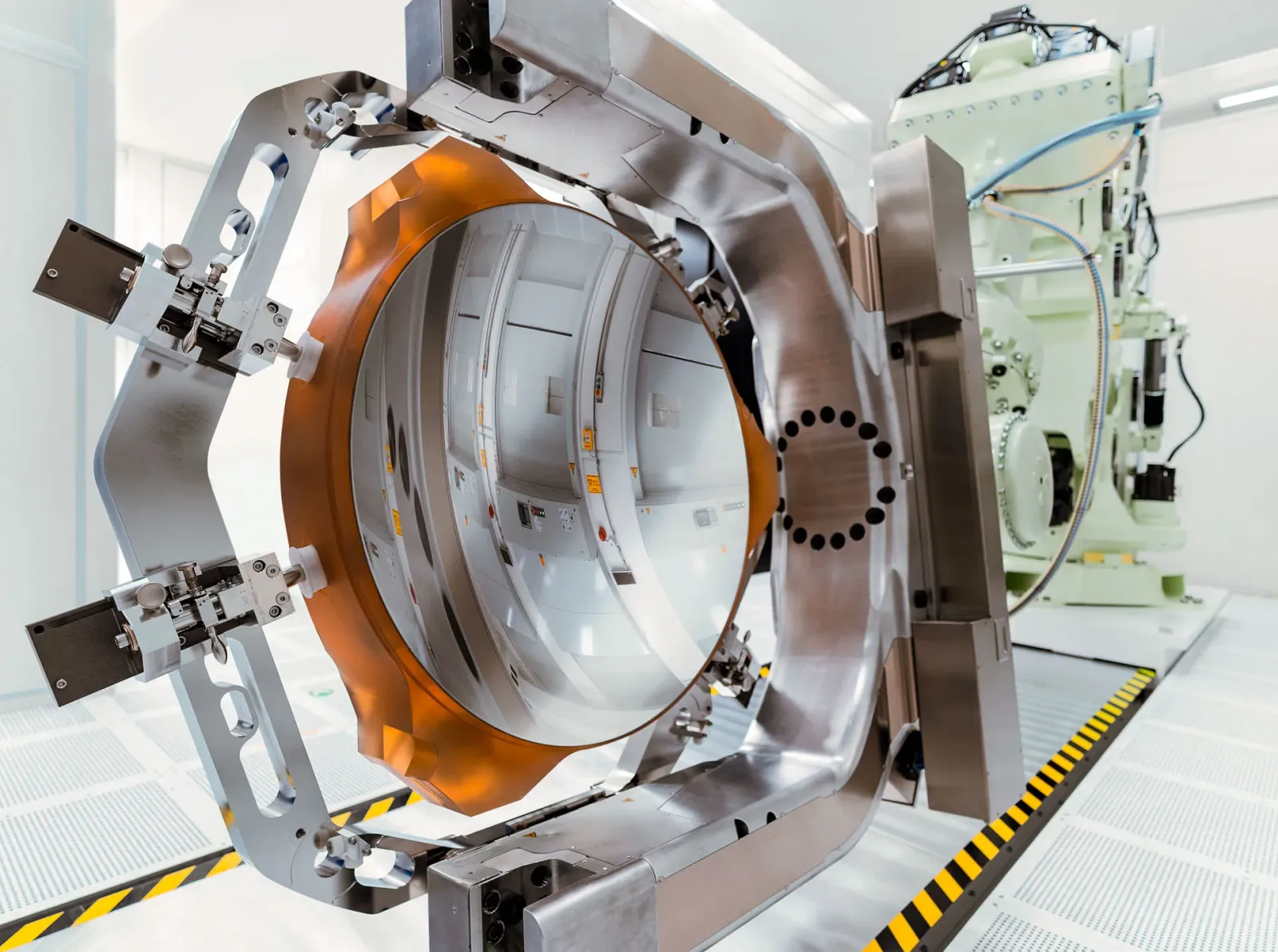
Jos Benschop’s 8-nanometer breakthrough turns “shrink” into a $400M line-item that fabs and governments both watch closely.

With most habitat outside protected areas, AI warning systems aim to cut response time from hours to minutes or seconds.

The deal spans high-bandwidth memory, DRAM, and SSDs, plus internal model execution and capital support.
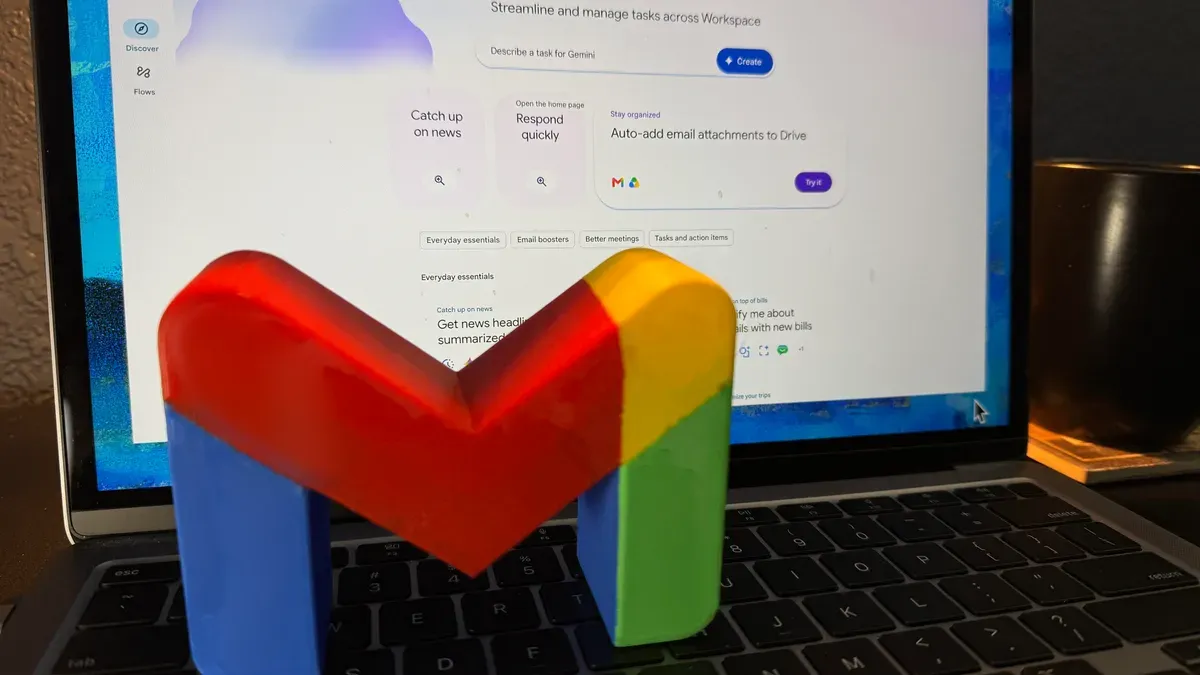
The feature helps organize your inbox with AI flows, but only up to your first 2,000 emails a month.
The Daybreak Cyber Partner Program gets a first real enterprise product: an application-security service aimed at speeding vulnerability discovery.