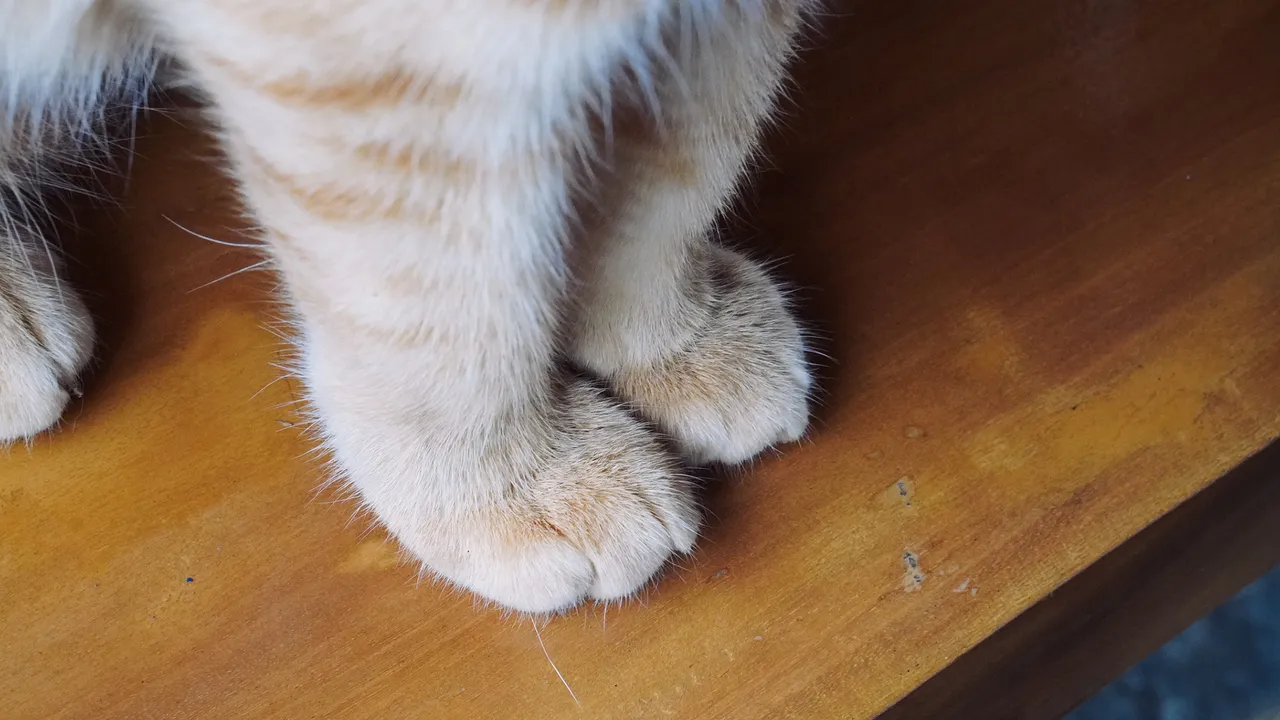
Cat leg whiskers are real sensory tools, not weird fur: carpal vibrissae explain how cats grab
From forepaw placement to climbing and prey handling, carpal vibrissae likely help cats do three high-stakes jobs in the dark.
By Reem Al-Dosari·· 4 min

Loading briefings
Pulling the latest in this topic…
Research, space, health, climate, discovery
186 briefings briefings in Science
From forepaw placement to climbing and prey handling, carpal vibrissae likely help cats do three high-stakes jobs in the dark.
Antonio Guterres says the warming pattern is adding fuel to a already-stressed climate system, raising risks across planning and policy.
A heatwave is forcing the Danube to run low, and Hungary’s nuclear power gets the off-switch early.
Extreme heat may keep rising magma fluid longer, reshaping eruption behavior and how agencies plan for risk.
A vivid sky sequence from Croatia explains Earth’s shadow, the Belt of Venus, and why the August 12 total solar eclipse matters.
New sensor tech helps units spot unmanned aircraft systems fast, reducing the time between threat and action.
A long-sought ancient algae gets a museum slot, turning one scientist’s decades-long obsession into a preservation win.
Two eclipse nights bookend August 2026 skywatching, with safe viewing rules, timing, and what to watch first.
Brazil becomes the new battleground for columnaris disease, expanding where a serious fish pathogen can show up.
A newly identifiable third ancestry explains why earlier hints in genomes never quite added up.
The seven gravitational lens systems could let astronomers study growing supermassive black holes without being blinded by quasars.
A new approach turns lunar “moonquakes” into a sensor for water ice under south polar craters, changing what missions measure first.