Ryukyu Islands get a hard-coral map from eDNA, built for faster conservation
A new online resource uses environmental DNA to chart hard coral distribution, turning habitat intelligence into something protectable.
By Omar Al-Balawi·· 3 min

Loading briefings
Pulling the latest in this topic…
Research, space, health, climate, discovery
486 briefings briefings in Science
A new online resource uses environmental DNA to chart hard coral distribution, turning habitat intelligence into something protectable.
The largest genetic analysis so far maps 11 linked locations, sharpening the biological baseline clinicians and funders can build on.
Nature reports satellite-driven, machine-learning wetland maps that sharpen conservation targeting by exposing overlooked ecosystem patches.
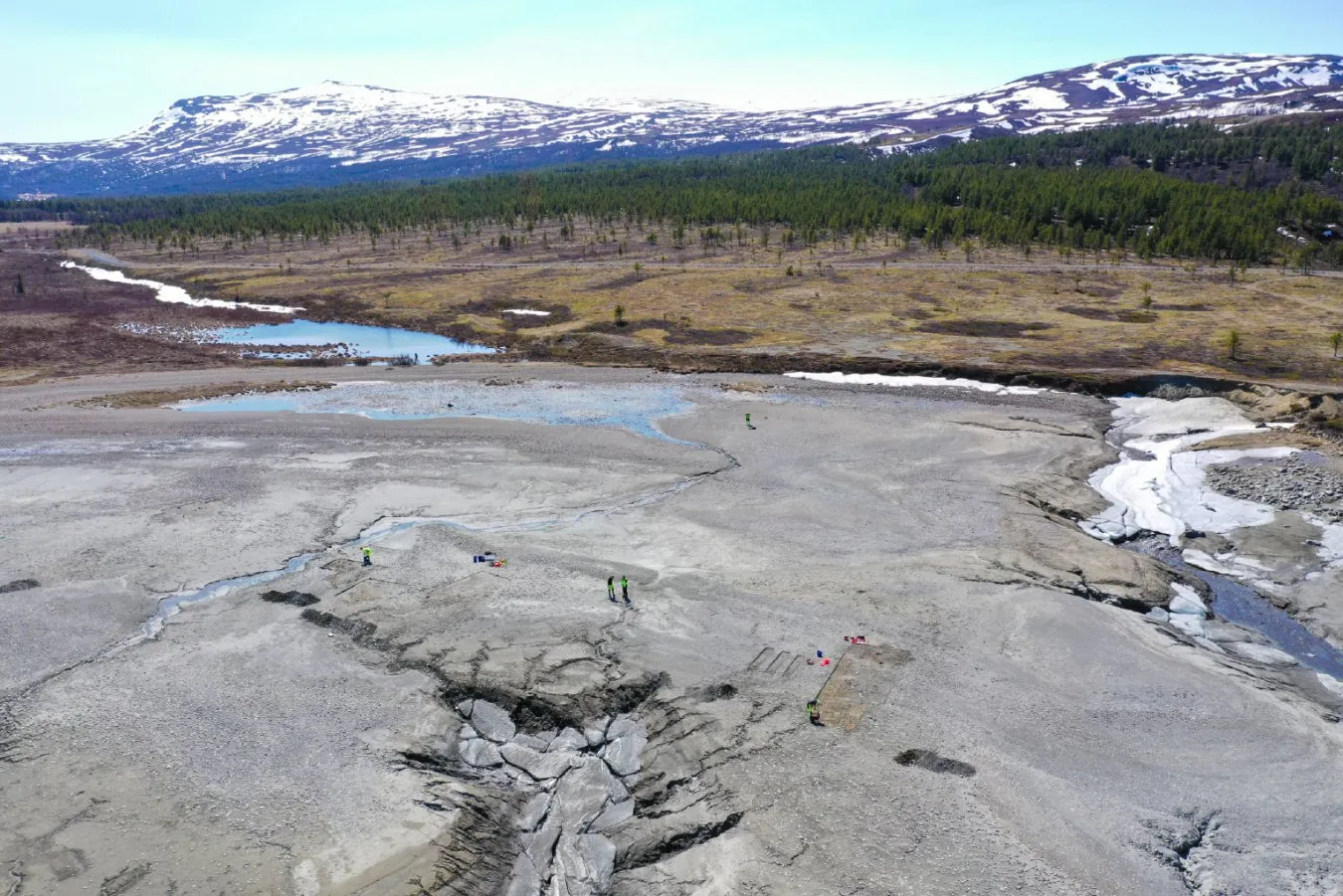
Antiquity research shows the oldest documented human move of fish, dated with radiocarbon and tree rings.
Skyroot Aerospace’s first fully commercial satellite launcher reaches a 280-mile orbit, proving India’s private space era can work.
Evidence is mixed, timing and comparisons can mislead, and randomized trials are still too short.
Avida-based tests show classifiers get “perfectly confident” about life they never see, raising risk for Mars, Europa, and exoplanet missions.
Two lab-tested processes aim at the chemical “forever” problem, turning hard-to-treat PFAS into something breakable.
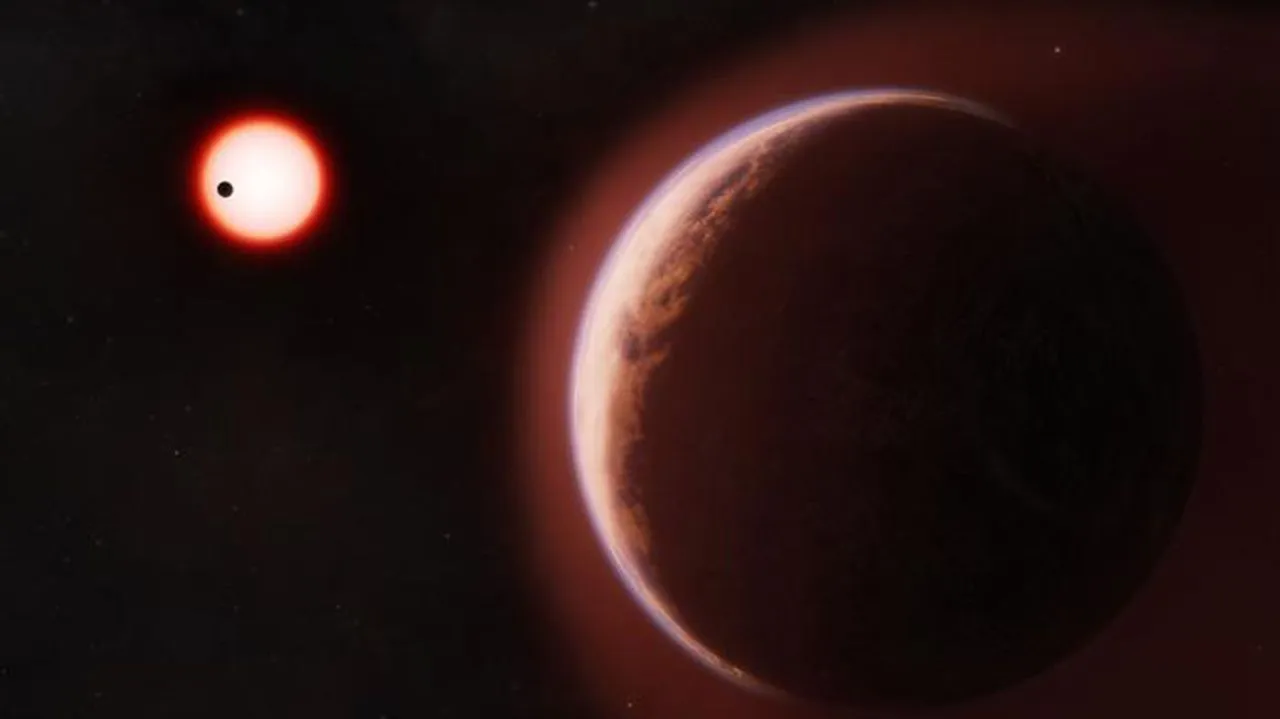
Detecting helium escaping a super-Earth near 48 light-years away gives the strongest evidence yet it kept an atmosphere billions of years.
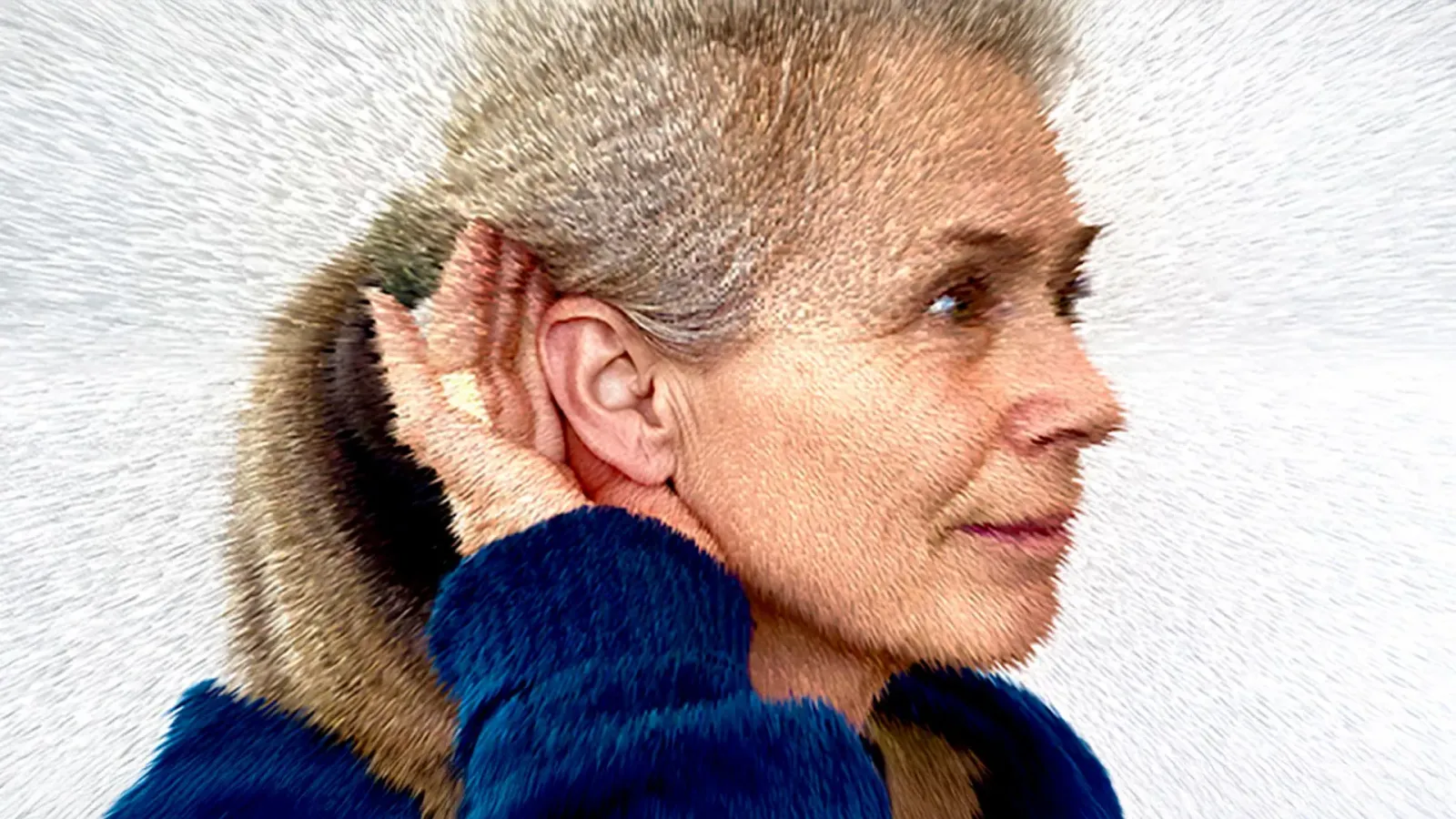
A decades-old worldwide sound reports a new pattern: what seems outside may start inside your auditory system.
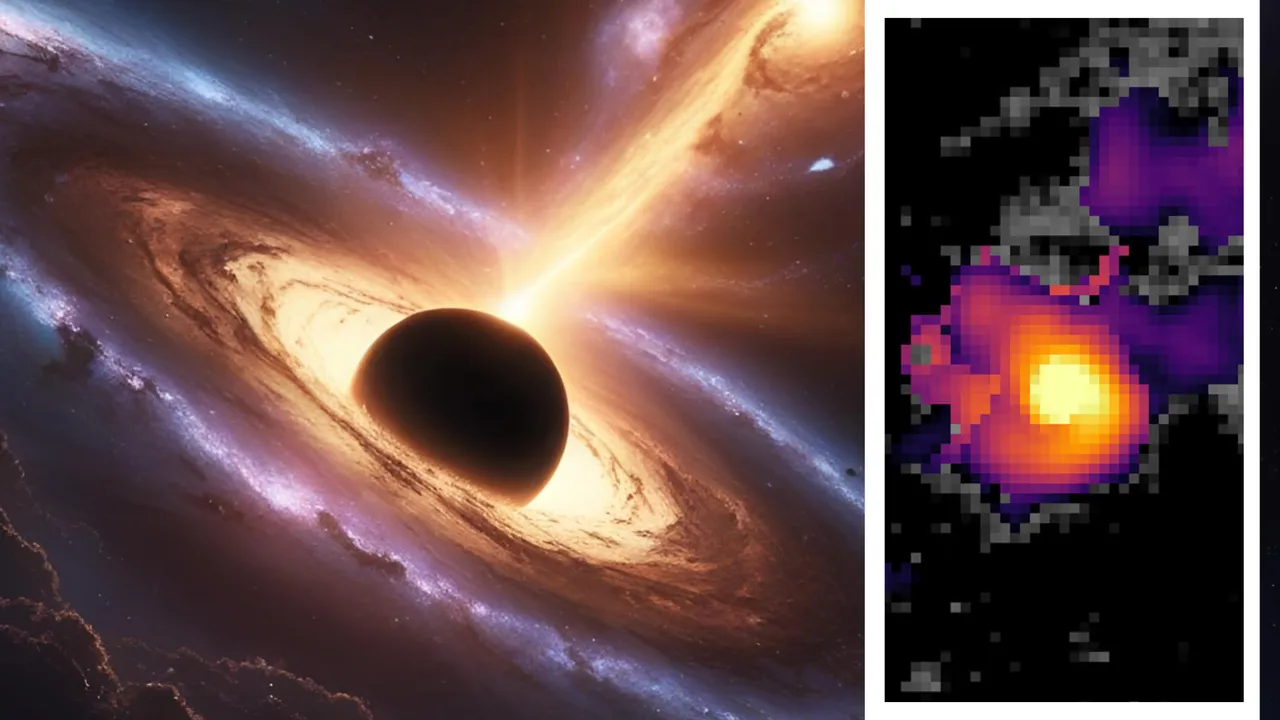
New JWST observations link filaments to a self-sustaining cycle of “feast, fast, repeat” at a nearby AGN.
Europe’s fastest-warming climate is already reshaping risk, insurance, and regulation, even when no single storm has one cause.