NASA opens media accreditation for Roman launch on Aug 30 at 7:20 a.m. ET
Decision-makers have hard deadlines to cover Nancy Grace Roman's Falcon Heavy liftoff from Kennedy.
By Reem Al-Dosari·· 3 min

Loading briefings
Pulling the latest in this topic…
Research, space, health, climate, discovery
534 briefings briefings in Science
Decision-makers have hard deadlines to cover Nancy Grace Roman's Falcon Heavy liftoff from Kennedy.
Here’s the exact weekly plan for catching Perseid shooting stars before moonlight muddles the best night.
Researchers narrowed the 66-million-year-old impactor’s composition using advanced nickel isotope analysis, with Science Advances as the paper.
Study compares Belgium and African rivers: microbial oxidation reduces methane, yet falls short against rising emissions and nitrate pollution.
Preprint research shows RNA can build large 3D structures, raising fresh questions about what RNA in the first Earth could actually do.
CMS researchers used dijet lead-lead collisions to disentangle jet wakes, promising precision about the early universe.
Executives need to treat wildfire air like a risk event, not background noise, and plan accordingly for employees.
New evidence identifies where the most energetic particles in the Milky Way come from, reshaping how scientists model high-energy astrophysics.
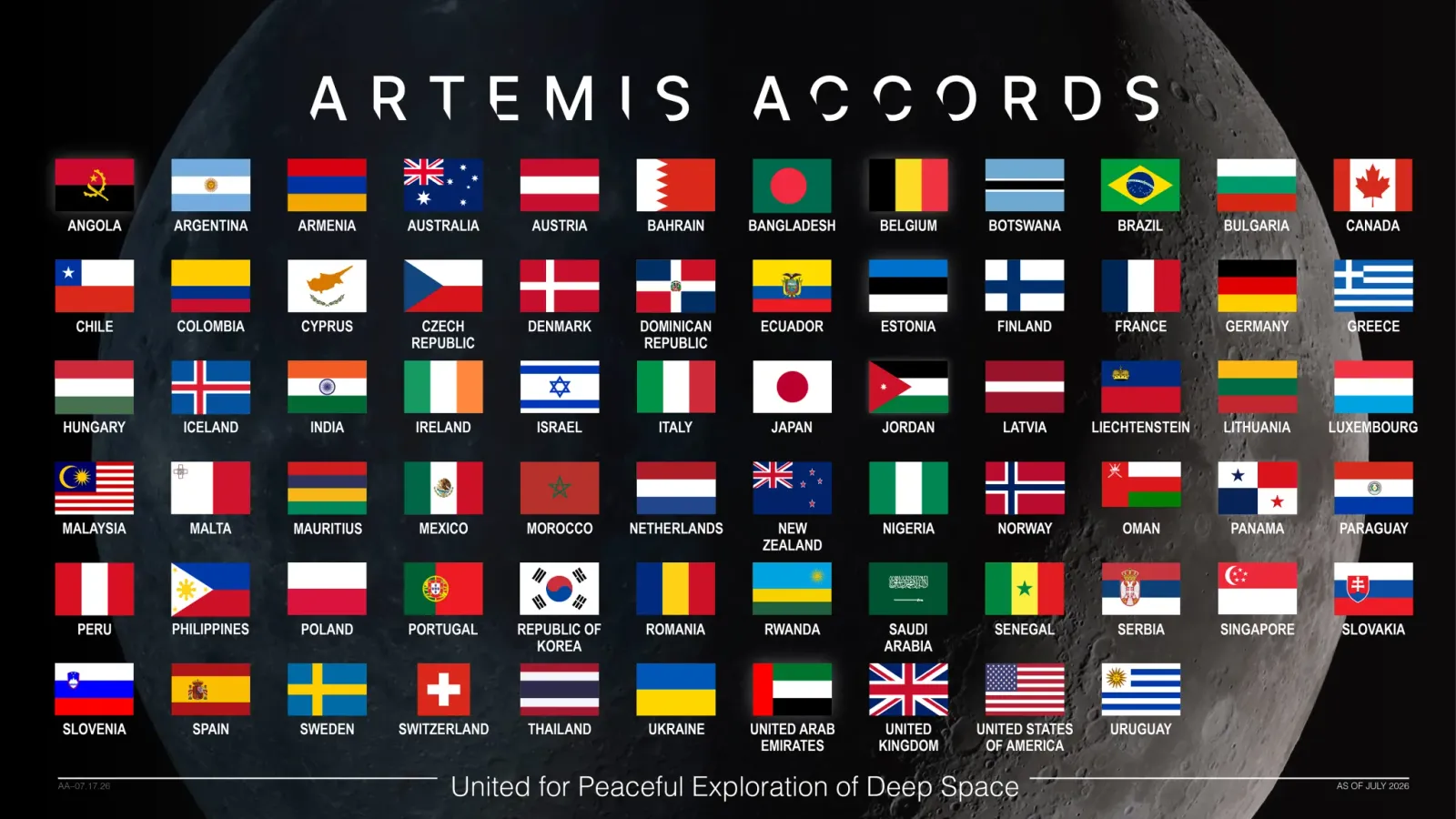
A seventh African country joins the coalition, with NASA pointing to Apollo to Artemis navigation roots in Mauritius.
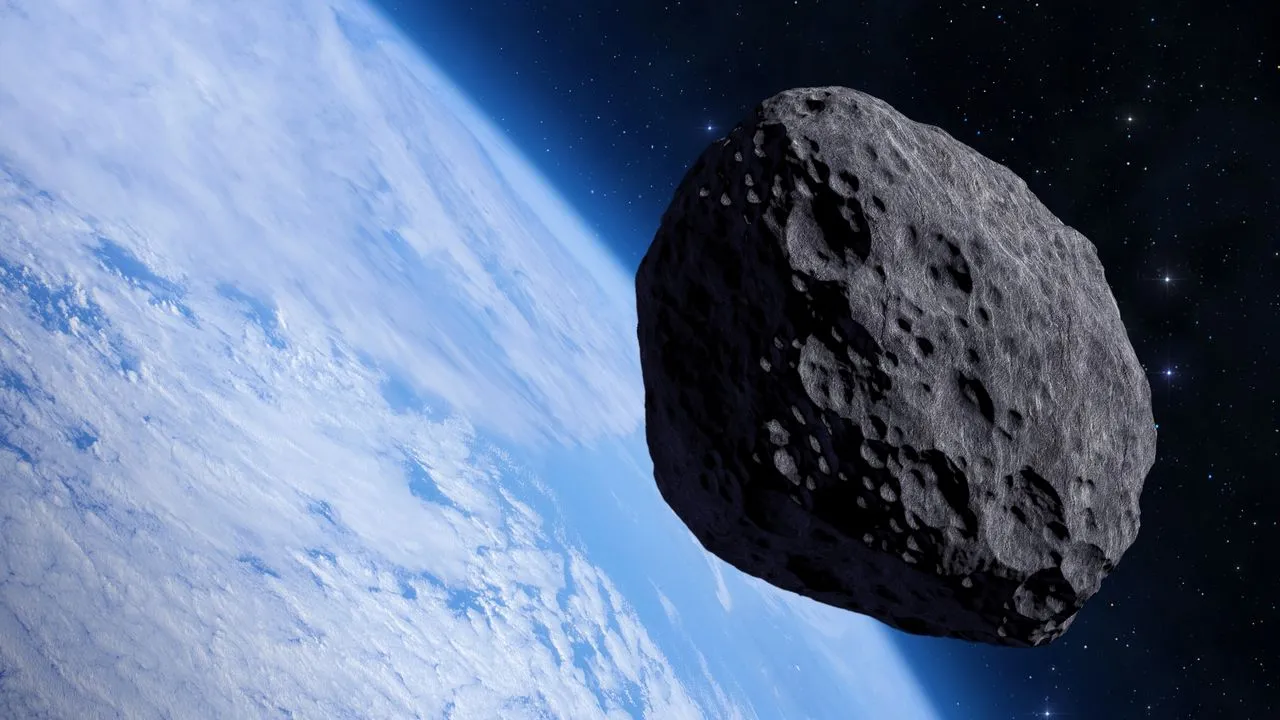
A “once-in-a-millennium” flyby on April 13, 2029 turns planetary defense into a global public science event, not a niche one.
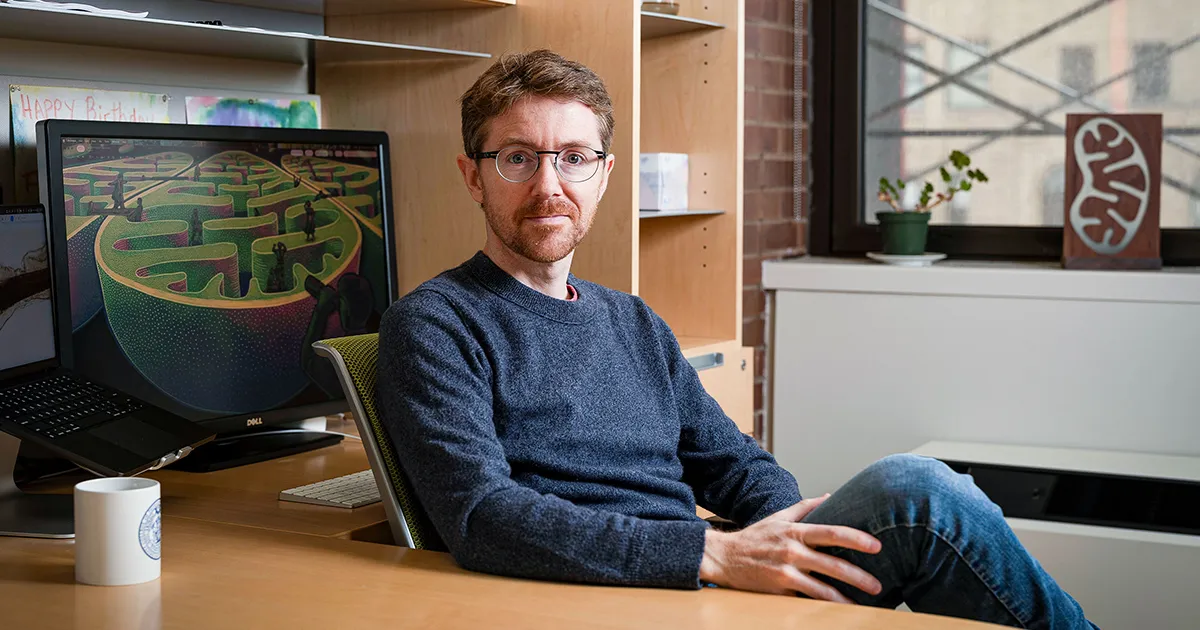
The biologist’s “energetic view of life” links cells, health, and experience, grounded in how mitochondria run biology.
A microbiome-style approach could change how we think about microplastic uptake and downstream health risk.