

Dead-bacteria supplement binds microplastics, blocking cell absorption with rough surfaces
A microbiome-style approach could change how we think about microplastic uptake and downstream health risk.
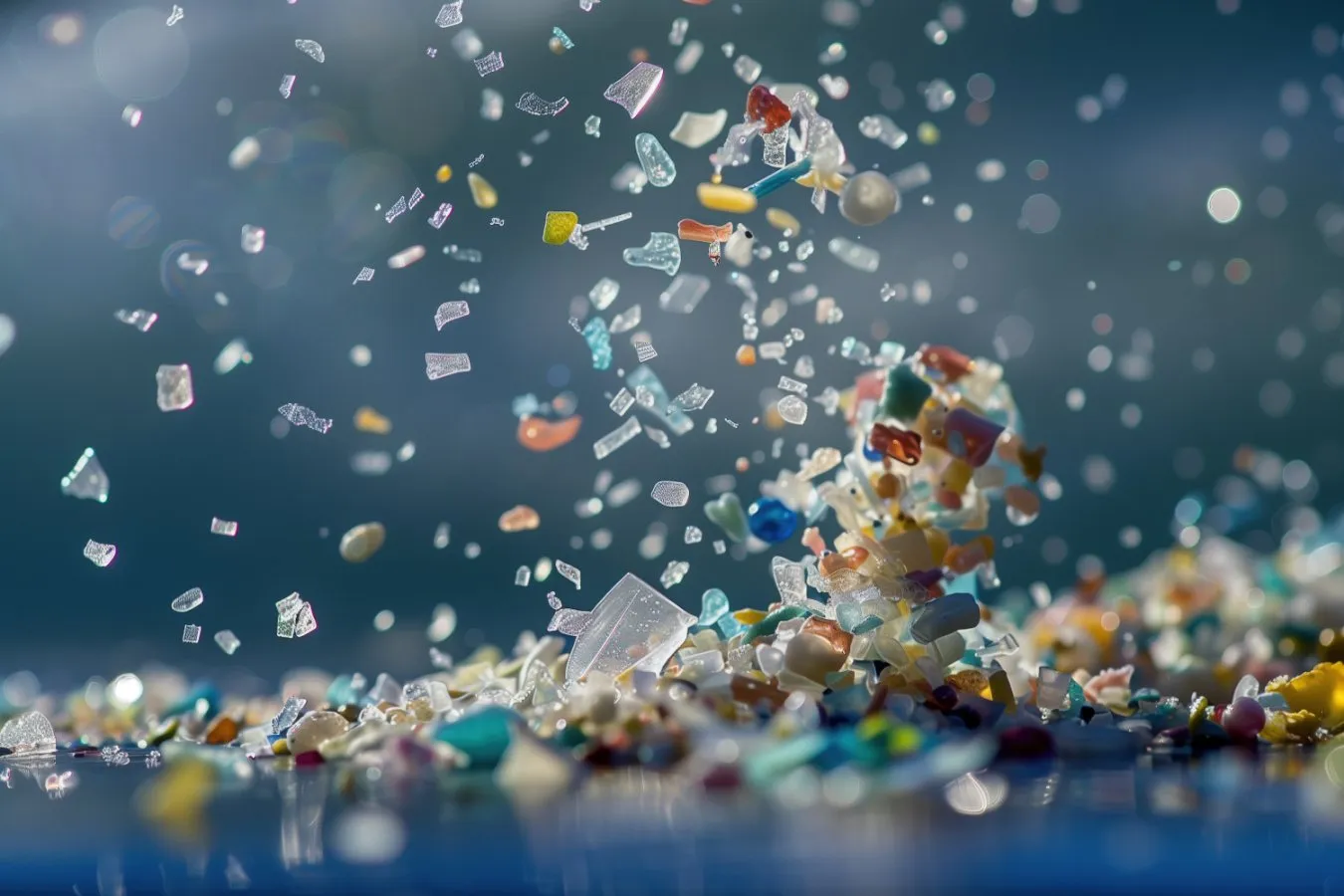
New Scientist reports that a supplement made of dead bacteria can remove microplastics and reduce their absorption into cells. The mechanism: microplastics stick to the bacteria's rough surfaces, keeping them from getting into cells.
Microplastics are everywhere, and the uncomfortable question for regulators, healthcare leaders, and consumer brands is what the body actually does with them after ingestion. According to New Scientist, researchers have zeroed in on a potential lever: a supplement comprised of dead bacteria that appears to remove microplastics from the body and prevent their absorption into cells.
The core claim is specific and mechanistic. The supplement does not rely on “detox” vibes. Instead, dead bacteria attract microplastics to their rough surfaces. Those microplastics then end up bound to the bacteria rather than moving into cells, which is a major step in the chain from exposure to potential biological effects.
Why this is interesting now is that microplastics sit at the intersection of health science, consumer trust, and regulation, and none of those areas move fast. For years, the public conversation has focused on particles in the environment. But for decision-makers, the real policy and product problem is internal: how much actually crosses biological barriers, and what interventions could plausibly reduce that transfer.
This dead-bacteria approach is notable because it targets the moment of uptake, not just the presence of particles in the world. If microplastics are prevented from being absorbed into cells, then the body might be spared a downstream cascade where particles interact with cellular machinery. Even without claiming clinical outcomes, the mechanism itself is the kind of “early but actionable” result that can attract follow-on investment and regulatory attention. It gives you something to test: not only whether microplastics decrease, but whether cell-level absorption changes in ways that matter biologically.
There is also an incentive angle here that boardrooms understand. Companies in supplements, microbiome-adjacent products, and preventive health have lived with a credibility gap: “natural” does not automatically mean “effective.” A mechanism that can be described in plain terms, rough-surface binding of microplastics to dead bacteria, is a step toward evidence-based positioning. It also creates a clearer regulatory narrative. Rather than marketing a generic wellness story, proponents can frame the product as an absorption-limiting supplement, which may be closer to how regulators assess certain categories of ingestible interventions.
At the same time, executives should be careful about what claims can and cannot be responsibly made. The New Scientist description emphasizes removal and prevention of absorption into cells by attracting microplastics to bacterial surfaces. That is meaningful, but it is not the same as proving long-term health outcomes in humans. The second-order risk for any company is overreaching. If trials later show reduced cellular uptake without measurable clinical endpoints, that can still be useful, but investor expectations and marketing language need to match the evidence.
Zooming out, this work hints at a broader strategy that could influence how the industry designs products for environmental exposures. Instead of trying to eliminate microplastics from the environment, an ingestible “binder” concept could become a template. The dead-bacteria format adds a twist: it borrows from the physical chemistry of surfaces and the biology of particles, without requiring live microbes. That matters for safety planning, manufacturing consistency, and consumer adoption, because dead formulations can be easier to standardize than living cultures. The tradeoff is that effectiveness and mechanism must hold across real-world diets, gut conditions, and particle variability.
For boards and senior leaders evaluating adjacent opportunities, the takeaway is simple: if microplastics can be redirected away from cells using a defined supplement mechanism, then the competitive map for preventive ingestion could shift. Brands that previously treated microplastic exposure as an awareness problem may need to treat it as a solvable absorption problem. And the organizations that move fastest will likely be those that align R and D with clear endpoints, regulatory-safe claims, and credible human testing plans.
In a world where microplastics are not going away anytime soon, preventing cellular absorption is the kind of control point that can turn a scary exposure into a measurable, potentially modifiable risk pathway. This dead-bacteria supplement is not presented as magic. It is presented as binding. And binding is something you can measure, optimize, and defend.
This story's Key Insights and Take-aways are locked.
Create a free account to unlock Executive Actions for one credit.
Register to UnlockAlways free for Executives Club members. Join the Club
More in Science
2026 Nikon Small World Winners Reveal the Hidden Machinery of Everyday Life
A mycologist's frozen Edinburgh garden became the backdrop for vivid views inside cells, a reminder of what advanced imaging now makes visible to researchers and the industries built on biology.

Study: 1 in 4 depression cases may be a body-clock problem, not a chemical one
A 10,000-person study finds standard antidepressants often fail these patients, but melatonin and morning sunlight may hit the real root cause.

Start-Up Says A.I. Designed a Virus to Attack One Patient's Superbug
If the claim holds up, personalized phage therapy could become a new frontline weapon against antibiotic resistance - but proof is far from final.