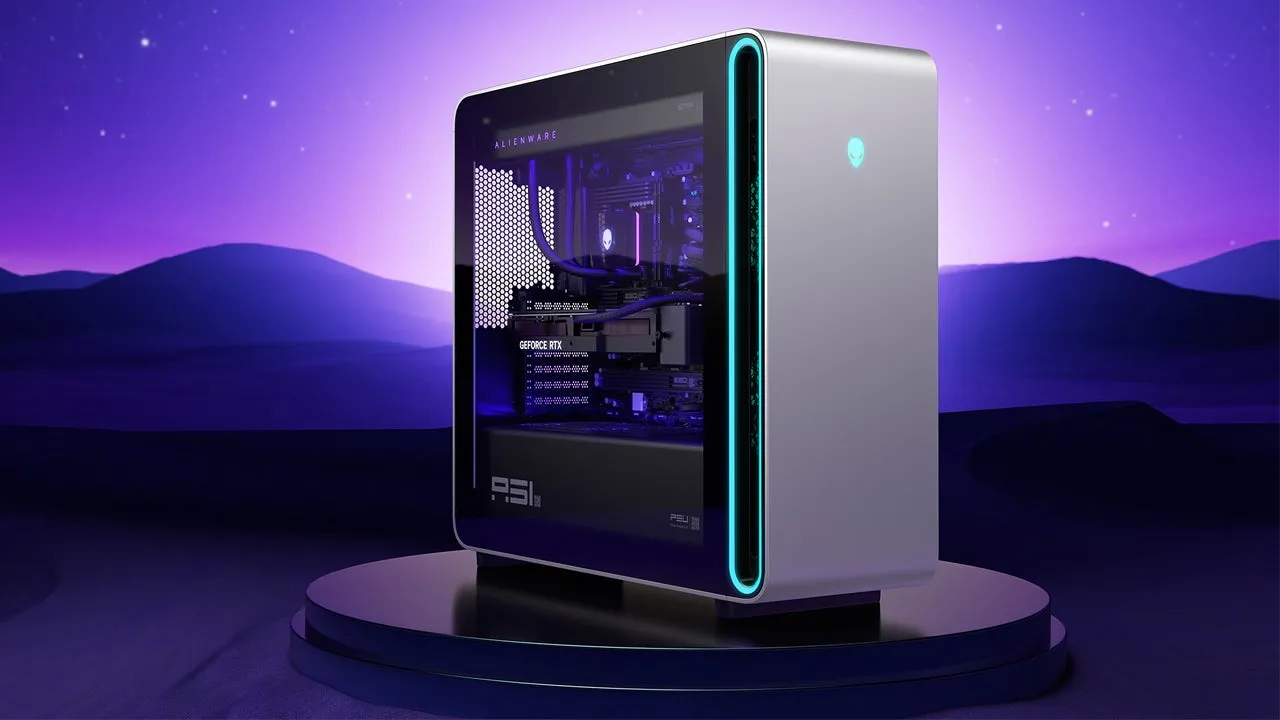
Dell discounts Alienware Area-51 RTX 5090 PC by $2,500 to $5,999.99 shipped
The deal still prices a flagship system as a luxury asset, but it meaningfully changes the upgrade math.
By Yousef Al-Zahrani·· 4 min

Loading briefings
Pulling the latest in this topic…
AI, robotics, computing, technical advancement
1818 briefings briefings in Technology
The deal still prices a flagship system as a luxury asset, but it meaningfully changes the upgrade math.
Researchers identified a source behind mysterious repeating radio bursts, hinting at a new Rosetta stone for cosmic communication.
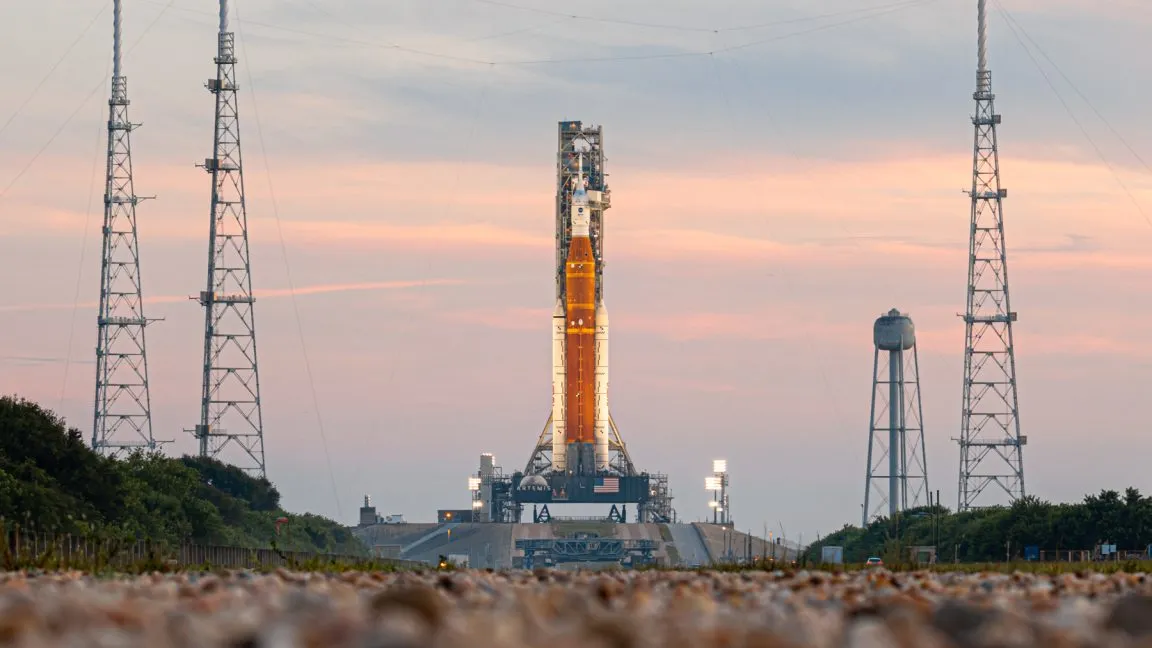
A NASA watchdog report warns launch capacity at Kennedy Space Center is aging as SpaceX and Blue Origin ramp up.
A new token-based system, Private Access Control Tokens, aims to verify humans without tracking users.
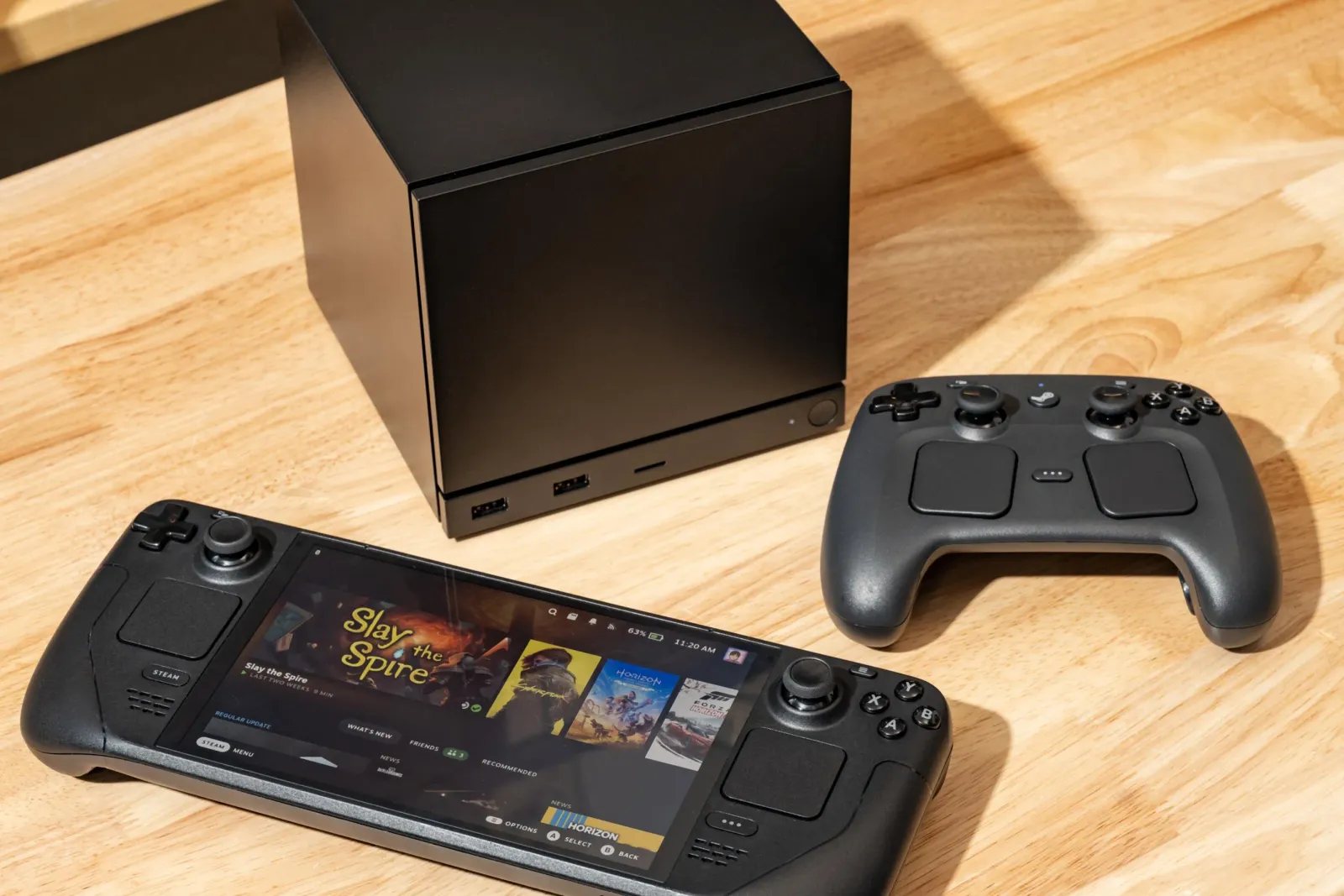
Valve says 2026 RAM sourcing is “brutal” and take-it-or-leave-it, with hardware pricing not subsidized.
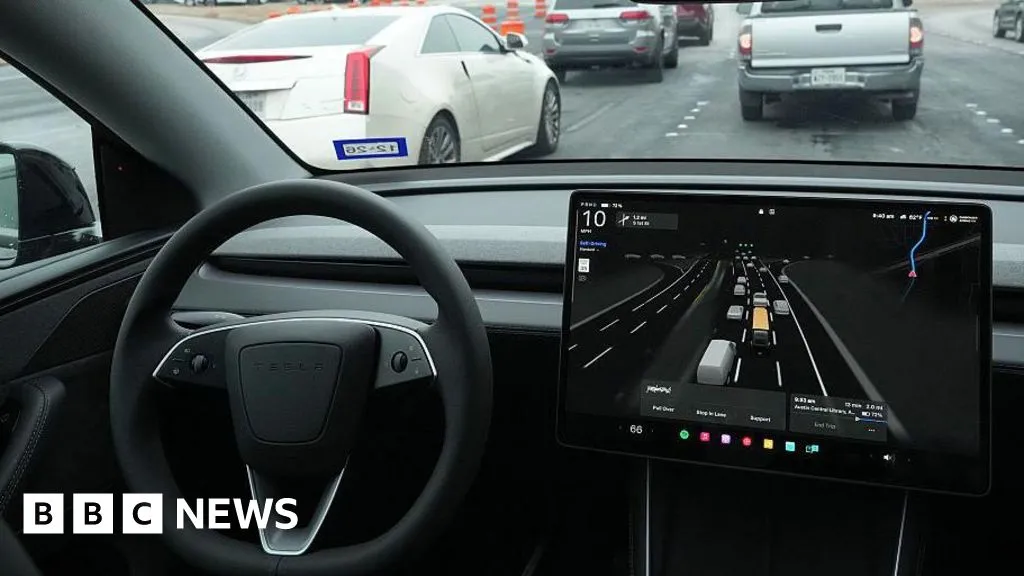
A fatal crash in a Texas home is now tangled with federal oversight, raising hard questions about what drivers think they’re using.
The Pecos deal locks in a massive behind-the-meter turbine buildout and spotlights water and air tradeoffs.
WIRED reports Meta collected employees’ keystroke data for AI training, despite internal objections about employee monitoring.
The updated privacy policy lets Anthropic demand ID uploads and facial geometry templates, changing risk, compliance, and product trust.
The AI chip startup just locked in fresh capital and new leadership, signaling it is not waiting around for Nvidia.
The San Francisco startup is launching R-noid to package orders, load boxes, and prep workstations across food service, logistics, and healthcare.
A new privacy-preserving protocol aims to reduce bot friction without making every site run CAPTCHA arms races.