Lenovo denies banned YMTC SSDs in ThinkBook sold outside the US
A ThinkBook 14 G9 IPL review found a YMTC SSD; Lenovo says it was not sold into the US.
By Lama Al-Rashid·· 5 min

Loading briefings
Pulling the latest in this topic…
AI, robotics, computing, technical advancement
1098 briefings briefings in Technology
A ThinkBook 14 G9 IPL review found a YMTC SSD; Lenovo says it was not sold into the US.
The Oscar-winning director argues his location-heavy action style will survive AI, while dismissing rightwing backlash as irrelevant.
An industry exec explains why Pokémon Go’s 10-year staying power is social first, tech second.
The speedrunning marathon returns with another nine-figure-ish headline for charity, giving leaders a model for attention that converts.
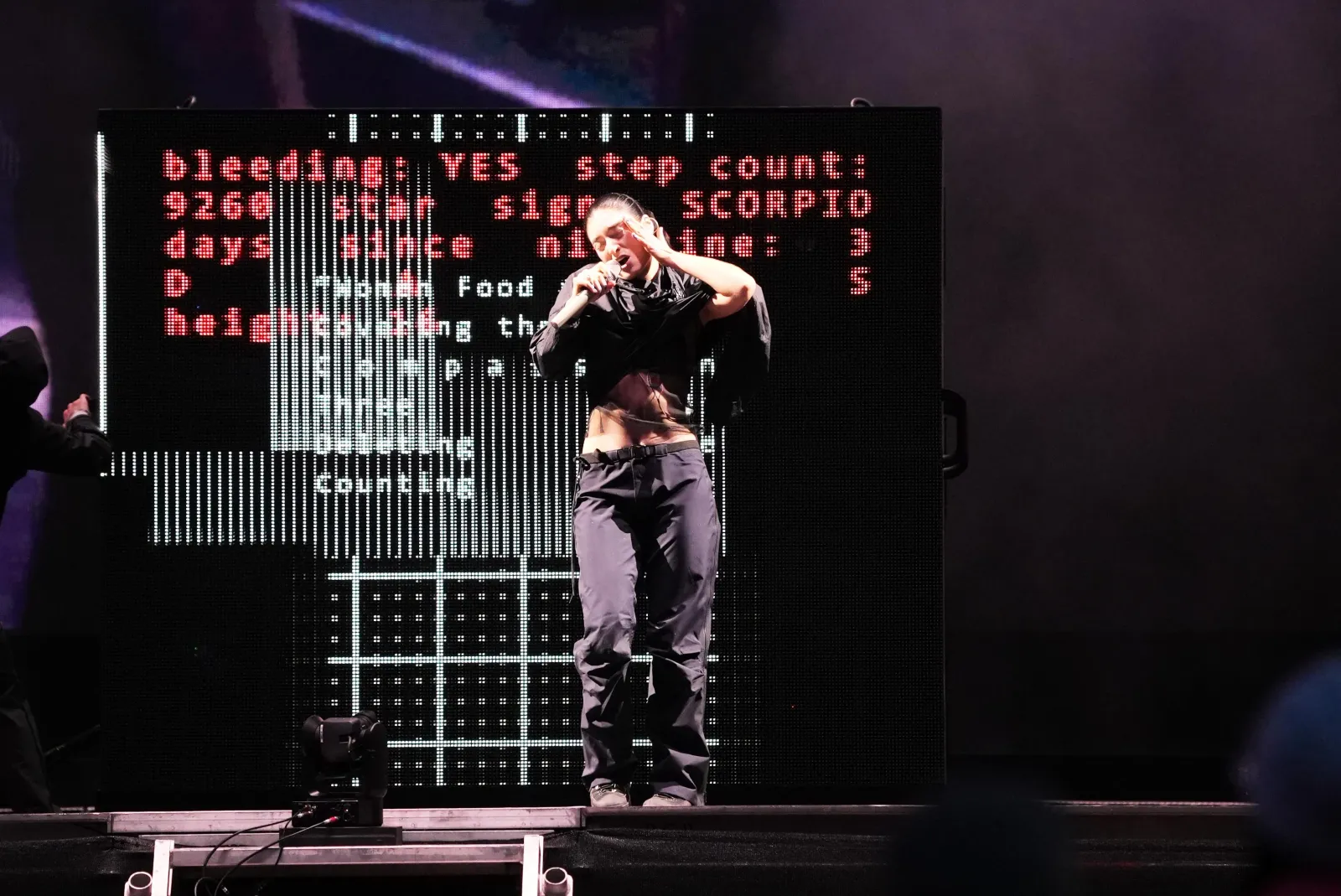
At Real Cool Festival, the singer turns skepticism into a public moment about whether AI accessories make reality harder to trust.
Even though the car program stalled, Apple’s on-device AI needs helped shape the Neural Engine behind Face ID and Animoji.
Lower inference costs do not fix the “100x problem” where one user request becomes a token-hungry workflow.
If the plan holds, Netflix could mimic cable and turn competitor subscriptions into a Netflix-style package deal.
Associated Press reports record natural gas construction and coal extensions, as utilities and the federal government push postponements.
The executives brief on the design principles that let Philips Hue control light from anywhere without renovations.
The Verge frames Oura Ring 5 as a casual health tracker, not the best bet for heavy sweat-focused fitness.
From a 2015 fight in Ireland to protests everywhere, executives need to prepare for grid, permitting, and public backlash.