

A Russian-born financier quietly controls Trump's Caucasus trade route
Konstantin Sokolov heads the fund behind the planned Armenia-Azerbaijan corridor. Here's what that means for regional power plays.
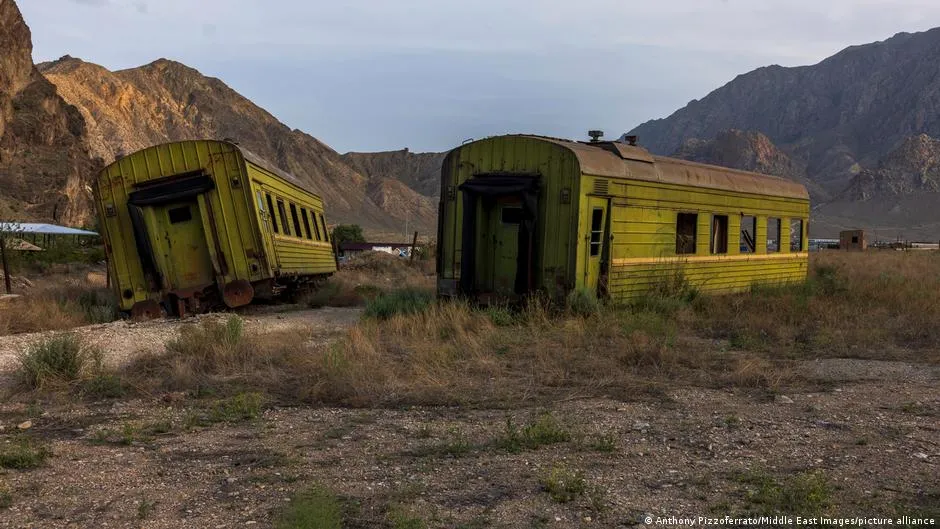
Konstantin Sokolov, a Russian-born businessman, leads the investment fund financing the so-called "Trump Route," a planned corridor through Armenia linking Azerbaijan with Nakhchivan. The route's backer adds a geopolitical layer to a project that could reshape trade and influence in the South Caucasus.
Konstantin Sokolov, a Russian-born businessman, heads the investment fund financing the so-called "Trump Route," a planned corridor through Armenia linking Azerbaijan with Nakhchivan. The project, named after former US President Donald Trump, is designed to connect Azerbaijan proper with its exclave of Nakhchivan via Armenian territory. Sokolov's role places a figure with Russian roots at the center of a trade route that could redraw regional logistics and geopolitical alignments in the South Caucasus.
For decision-makers, the significance is immediate: the route would give Azerbaijan a direct land link to Nakhchivan, bypassing Iran and reducing dependence on Georgian transit routes. For Armenia, the corridor would open new economic opportunities but also raise sovereignty concerns, as any foreign-controlled transit corridor through its territory carries strategic implications. The involvement of a Russian-born financier adds another layer, given Moscow's historical influence in the region and its complex relationship with both Yerevan and Baku.
The "Trump Route" is not just an infrastructure project; it is a geopolitical chess piece. The South Caucasus has long been a crossroads for energy pipelines, trade routes, and military tensions. A new corridor through Armenia would alter the balance of power, potentially strengthening Azerbaijan's hand while giving Armenia a stake in regional commerce. The naming of the route after Trump signals an attempt to attract political attention and investment, but the actual financing and execution rest with Sokolov's fund.
Sokolov's background is notable but not fully detailed in public sources. He is described as Russian-born, which raises questions about the extent of his connections to Russian business and political circles. In a region where Russia has peacekeeping troops in Nagorno-Karabakh and maintains close ties with Armenia, the involvement of a Russian-born financier could be seen as either a stabilizing factor or a source of friction. The fund's investors and governance structure remain opaque, adding an element of uncertainty for potential partners and regulators.
The corridor's economic logic is clear. Nakhchivan is an Azerbaijani exclave separated from the rest of the country by Armenian territory. Currently, access requires flying over Armenia or transiting through Iran, which is costly and politically sensitive. A direct land route through Armenia would slash transit times and costs, boosting trade and investment. For Armenia, the route could generate transit fees and integrate it more deeply into regional supply chains, but only if the terms are acceptable to Yerevan.
Politically, the project faces significant hurdles. Armenia and Azerbaijan have a long history of conflict, most recently over Nagorno-Karabakh, and any agreement on a corridor would require a level of trust that has been elusive. The route's viability depends on Armenian consent, which is far from guaranteed. Moreover, the involvement of a Russian-born financier could complicate matters, as both Armenia and Azerbaijan have to balance their relationships with Moscow, Washington, and other regional powers.
The "Trump Route" also fits into a broader pattern of infrastructure projects being used as tools of geopolitical influence. China's Belt and Road Initiative, Russia's North-South Transport Corridor, and various European connectivity projects all compete for influence in the region. A successful corridor through Armenia would not only benefit Azerbaijan but also create a new artery for trade between Asia and Europe, potentially shifting traffic away from existing routes through Iran or Georgia.
For executives and investors, the key takeaway is that infrastructure projects in contested regions carry outsized political risk. The involvement of a politically connected financier like Sokolov may signal confidence, but it also invites scrutiny. The route's future depends on diplomatic breakthroughs that are currently uncertain. Those considering involvement should monitor the negotiations between Armenia and Azerbaijan, as well as the broader regional dynamics involving Russia, Turkey, and the West.
In the end, the "Trump Route" is a test case for whether economic logic can overcome geopolitical friction. The corridor could deliver real benefits to all parties, but only if the political will exists to make it happen. Sokolov's role as the financier puts him at the center of that test, and his Russian background adds a layer of complexity that cannot be ignored. For now, the route remains a plan on paper, but its potential to reshape the South Caucasus makes it a development worth watching closely.
This story's Key Insights and Take-aways are locked.
Create a free account to unlock Executive Actions for one credit.
Register to UnlockAlways free for Executives Club members. Join the Club
More in Business
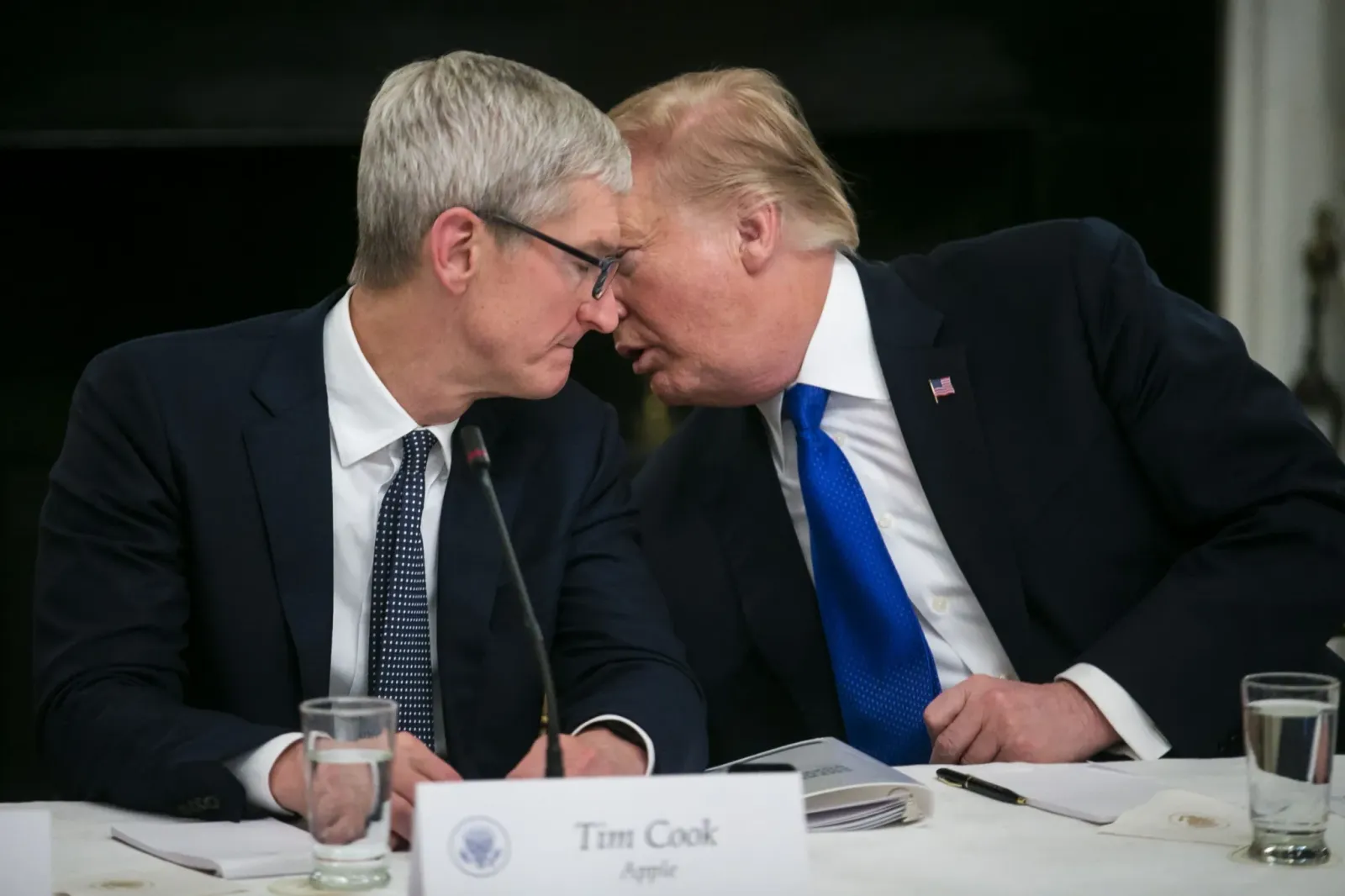
Tim Cook steps down as Apple CEO, stays on as chair with $45M equity
The 'Trump whisperer' keeps his White House and Beijing access as Apple navigates tariffs and a $4.6 trillion market cap.
Snowflake shares surge as AI data demand crushes estimates, lifting full-year forecast
Stocks jumped on stronger-than-expected guidance, signaling enterprise AI workloads are accelerating faster than Wall Street priced in.
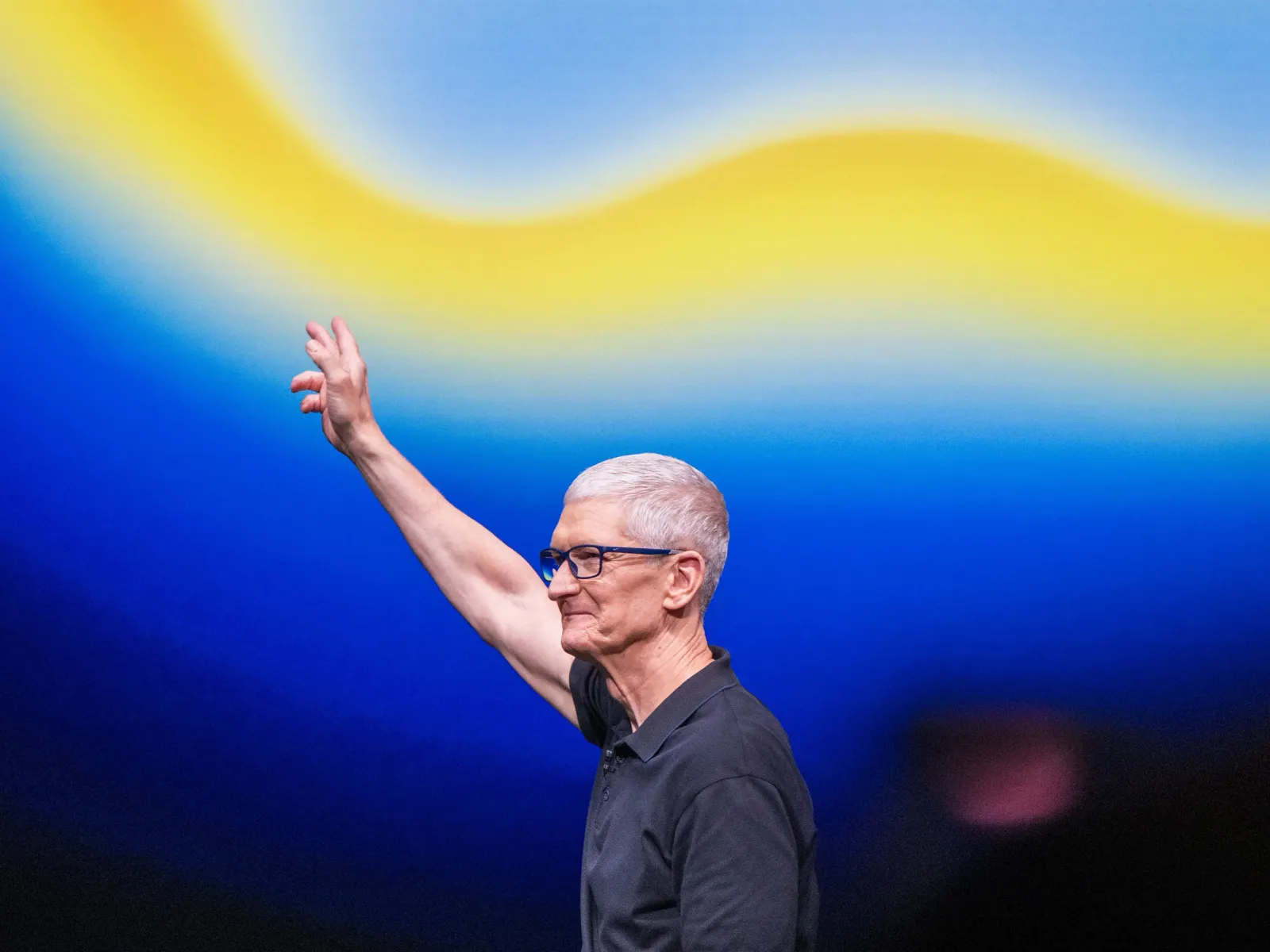
Tim Cook's 15-year Apple CEO run ends: 3 lessons for any successor
After 15 years, Tim Cook hands Apple to John Ternus - here's how he turned a $350B company into a $4.6T juggernaut.