

Tim Cook's 15-year Apple CEO run ends: 3 lessons for any successor
After 15 years, Tim Cook hands Apple to John Ternus - here's how he turned a $350B company into a $4.6T juggernaut.
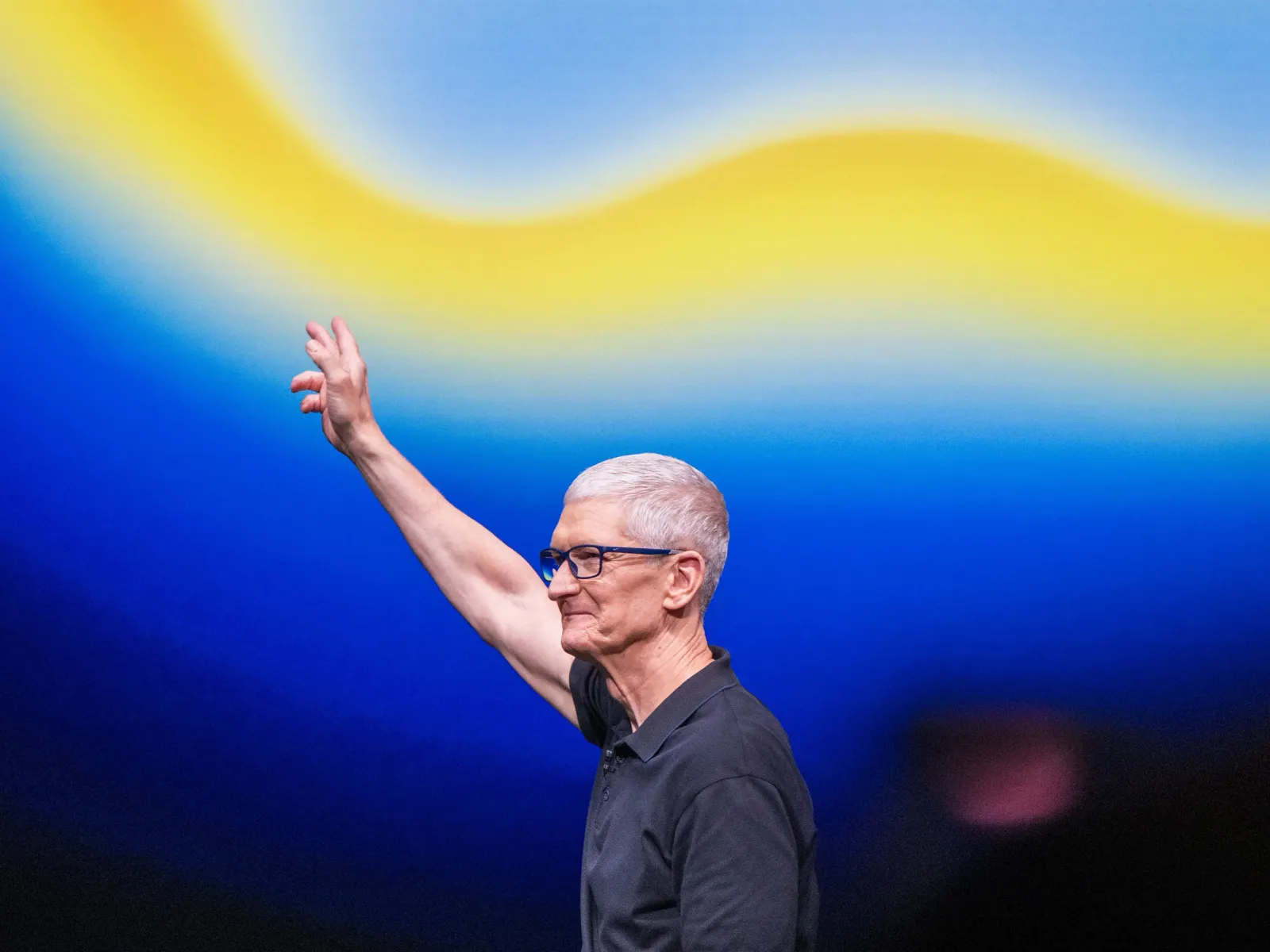
Tim Cook stepped down as Apple CEO on Monday, August 30, after 15 years, handing the reins to hardware chief John Ternus. His tenure quadrupled Apple's annual net sales to over $400 billion and market cap to $4.6 trillion, offering a masterclass in succeeding an iconic founder.
Tim Cook's final day as Apple CEO was Monday, August 30, closing a 15-year run that saw Apple's market capitalization explode from roughly $350 billion to $4.6 trillion. Adjusted for stock splits, Apple's share price rose nearly 2,300% during his tenure, from about $13 to $317 at the close of his last day. Cook is succeeded by John Ternus, Apple's hardware chief, who now faces the same daunting challenge Cook conquered: following a legend without missing a beat. The playbook Cook leaves behind is distilled into three lessons, each grounded in how he navigated the impossible shadow of Steve Jobs.
Lesson one: Keep what works. Cook safeguarded the core values Jobs instilled at Apple - focus, collaboration, obsession with user experience, "insanely great" execution, and owning the intersection of hardware, software, and services. He told "CBS Sunday Morning" earlier this year that he always saw Apple as Jobs' baby. "His DNA is deep in this company," Cook said. "We revere him." He also said of Jobs that his "greatest invention wasn't a product - it was Apple itself." By preserving the cultural and operational pillars Jobs built, Cook ensured continuity even as he rewrote the company's growth playbook.
Lesson two: Blaze your own trail. Cook wasn't cowed by Jobs' legacy; he ran Apple as he saw fit. Jobs himself gave him permission, advising: "Never ask what I would do. Just do the right thing." Jobs warned Cook that Disney became paralyzed after Walt Disney died, and he didn't want Apple to suffer the same "paralysis." Cook recalled, "I'll never forget that. It was such a gift for me because he took off of my shoulder this question of 'What would Steve do?'" Instead, Cook restructured Apple to be "more democratic," according to Tripp Mickle, author of "After Steve." Executives made collective decisions, team leaders developed products, and Cook emphasized operations and financials. He expanded into China to scale manufacturing, grew services into a $100 billion business, created a wearables category with AirPods and Apple Watch, and introduced Apple-designed silicon that "breathed new life into its Mac business." Mickle called Cook's approach "method over magic."
Lesson three: Play to your strengths. Cook didn't try to be Jobs; he applied his own skillset with devastating effect. "Cook's genius wasn't in designing the next iPhone; it was in building the most efficient supply chain on the planet and turning a hardware company into a recurring-service juggernaut," said Chris Ballard, managing director of Check Capital Management. Kevin Carpenter, author of investing Substack Kingswell, added: "There is a very small club of people who are able to successfully take over for a business legend without the company missing a beat. Cook certainly did so for Apple - in large part because he embraced his own strengths rather than trying to be a poor imitation of Steve Jobs."
Yet the trade-off was real. Apple's reputation for innovation took a hit under Cook, Mickle noted, pointing to disappointing launches like the HomePod and Vision Pro, and the canceled self-driving car project. While Jobs became regarded as a great innovator who upended industries, Cook became known for steering Apple's business success as it became the world's largest company for a decade. That distinction matters for Ternus, who inherits a company that must now prove it can still invent the future while defending a $4.6 trillion valuation.
For any CEO or board facing a succession of a legendary founder, Cook's tenure offers a clear template: honor the legacy, but don't be paralyzed by it. The most successful successors combine the founder's values with their own operational strengths, and they resist the temptation to imitate. Cook's 15 years show that the best way to follow a legend is to become your own version of a leader - and let the numbers speak. Apple's stock price, up 2,300% under his watch, is the ultimate proof.
This story's Key Insights and Take-aways are locked.
Create a free account to unlock Executive Actions for one credit.
Register to UnlockAlways free for Executives Club members. Join the Club
More in Business
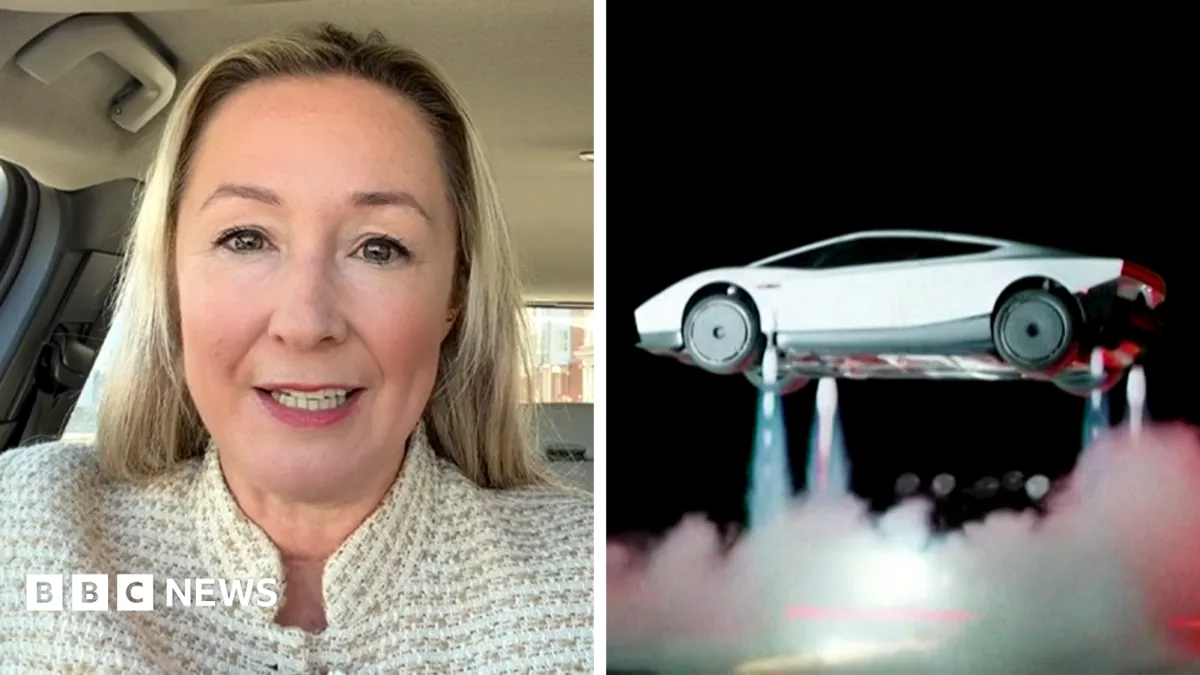
Elon Musk unveils a flying car, and SpaceX helped build it
The Tesla CEO's showcase at a SpaceX facility signals a future where road and rocket engineering converge.
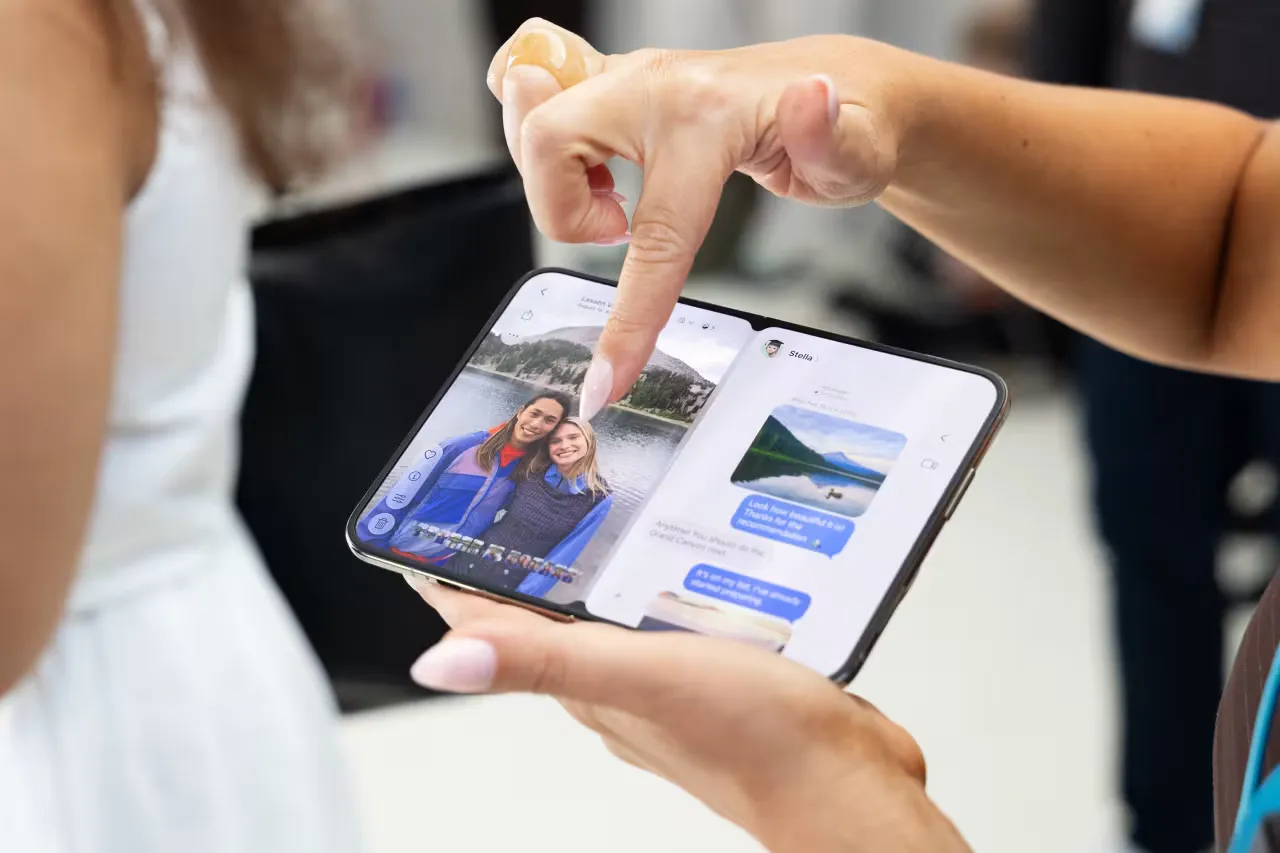
Apple's $2,000 iPhone Duo opens preorders, taking on Samsung and Google
Apple's first foldable hits the market at a premium price, reshaping a category Samsung and Google have led.

Pope Leo XIV, first American pope, diagnosed with lung cancer
The 71-year-old Chicago-born pontiff underwent successful surgery on his right lung, and his diagnosis raises new questions about his AI-focused papacy and the Vatican's future.