
Andy Burnham’s first week as PM gets a behind-the-scenes BBC tour with Laura Kuenssberg
What happens in Week 1 when a new UK Prime Minister takes over, and why it matters to anyone watching power.
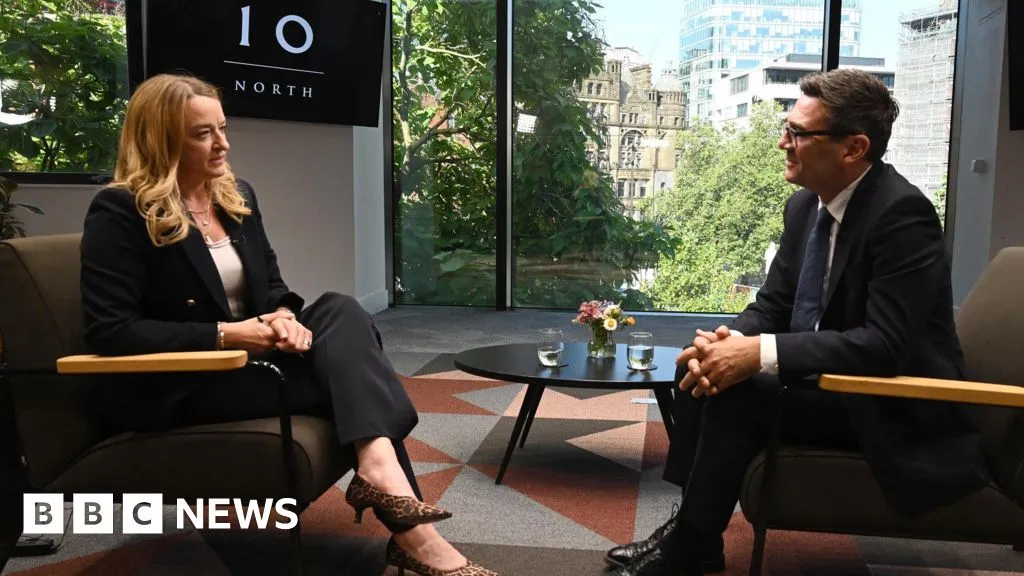
Andy Burnham’s first week as UK Prime Minister is covered with an exclusive behind-the-scenes look by BBC political editor Laura Kuenssberg. For decision-makers, the read is a fast map of how early governance rhythms form, before big policy debates even fully land.
Andy Burnham’s first week as Prime Minister is already busy enough to feel like three weeks worth of meetings crammed into seven days. BBC political editor Laura Kuenssberg goes behind the scenes with him, offering an exclusive look at what happens when leadership resets from “campaign mode” to “running the country.” The key idea is simple: early days are not about unveiling grand plans. They are about getting control of the machine, setting priorities, and learning where the friction lives.
That is what Kuenssberg’s behind-the-scenes framing highlights. In her exclusive look at Burnham’s first week in charge, the focus is on the realities of taking over the job, not just the headline moments. When a new Prime Minister arrives, the first week typically becomes a swirl of internal briefings, strategic alignment, and operational checks that most outsiders never see. The BBC’s piece leans into that invisibility, basically saying: if you want to understand power in the UK, you need to watch what leaders do before they speak, not after.
Now, put that in the broader political and governance context. The UK system has a particular tempo: the Prime Minister sits at the center of a dense web of departments, advisers, party interests, and cross-cutting constraints from Parliament and the civil service. Even the most confident leader cannot rewrite that network overnight. The first week is where that constraint becomes visible. You see what issues get staffed immediately, which topics are treated as urgent, and how quickly the new PM’s office can shape the flow of information. For organizations that operate around government, that matters because bureaucratic momentum often predates whatever speech becomes the story.
This is where the “behind-the-scenes” format becomes more than just a diary entry. In governance, decisions are shaped by incentives and timing. Departments are not blank slates. They have standing processes, established relationships, and internal risk calculations. For example, when policy direction shifts at the top, it can trigger a scramble to confirm what guidance is still valid, what work can continue, and what must be paused. That is why early-week behavior is a signal. Not necessarily a signal of a new policy announcement, but a signal of how quickly the government intends to move, and which areas it intends to protect from disruption.
There is also a capital and risk dimension, especially for executives and boards who live in the real economy. Companies tend to adjust their planning horizons when they see governance coming into focus. Even without concrete legislation, a new Prime Minister’s early rhythm can affect how regulatory conversations unfold. In many sectors, the regulatory environment is not a switch. It is more like a throttle, influenced by who is in charge of priorities, how quickly consultations get scheduled, and how the government communicates about enforcement and timelines. Early weeks can therefore change expectations in the market indirectly, through signals about whether policy will be steady, accelerated, or contested.
For Labour-aligned observers and opponents alike, there is a second-order implication too: internal party dynamics. A new Prime Minister has to manage both the public-facing narrative and the internal coalition that makes governing possible. Early days can reveal whether the administration’s approach is centralized or distributed, and whether key allies are brought in quickly or kept at arm’s length while the core team gets oriented. Even if no dramatic external moves occur, the distribution of attention inside the system influences what becomes politically feasible in subsequent weeks.
If you are an executive, an investor, or a board member, the strategic stakes are straightforward. You are not just watching a political figure. You are watching the operational start-up of a government. That start-up determines how fast decisions get made, how clearly priorities get communicated, and how predictable the regulatory landscape will feel to businesses, regulators, and counterparties. Kuenssberg’s exclusive behind-the-scenes look with Burnham in his first week is valuable because it reminds you that leadership changes are often won or lost in the quiet work before the big moves.
The takeaway, then, is not “what policy is coming tomorrow.” It is “what the new government’s decision-making rhythm looks like right now.” For anyone navigating markets, compliance planning, or stakeholder engagement, that rhythm is where the real work begins. And in a week where the cameras are usually kept out, the BBC’s choice to go behind the scenes is the whole point: you get a glimpse of how the machine gets restarted the moment a Prime Minister takes control.
This story's Key Insights and Take-aways are locked.
Create a free account to unlock Executive Actions for one credit.
Register to UnlockAlways free for Executives Club members. Join the Club
More in Politics
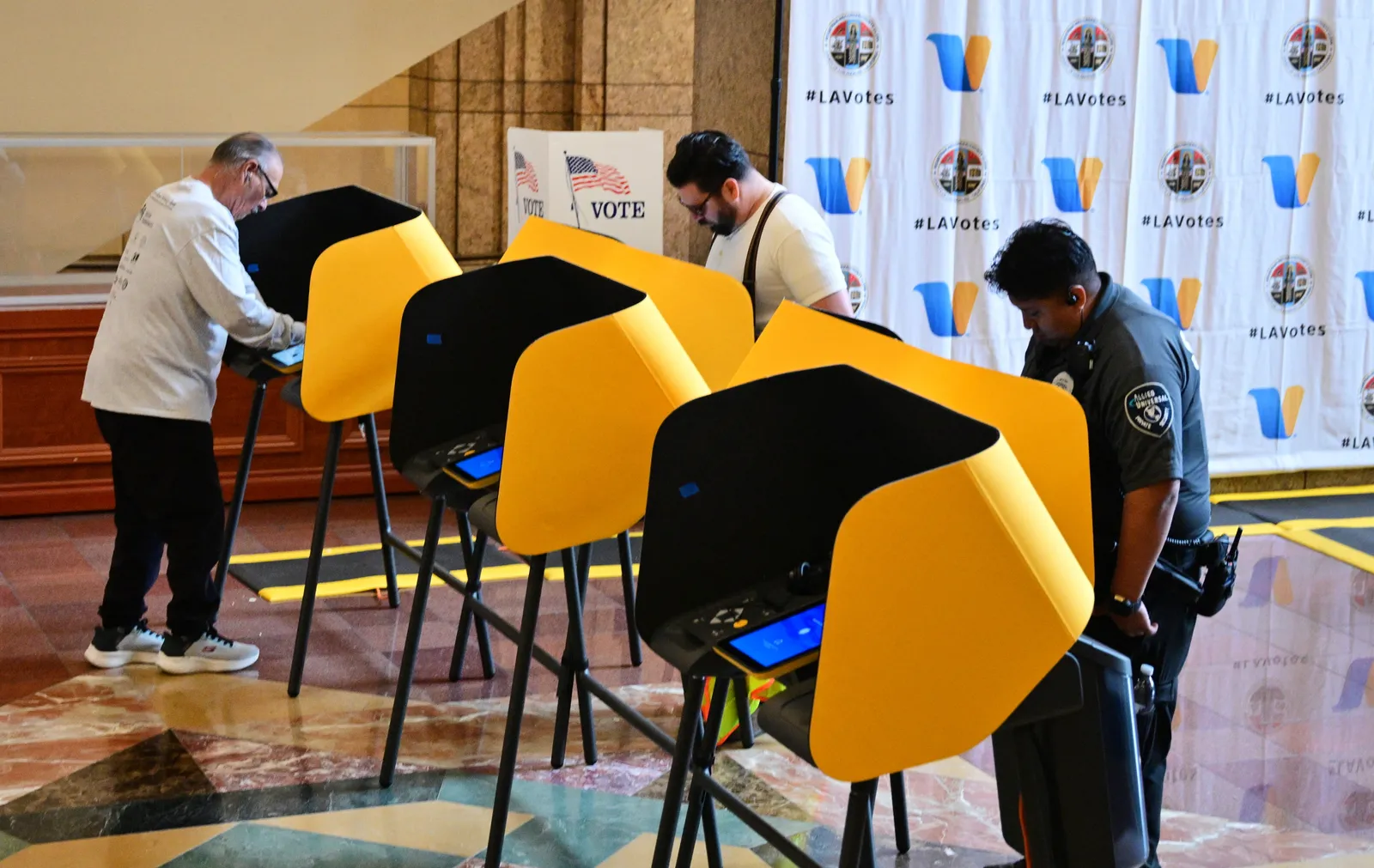
LA County: DOJ's 20,000 'noncitizen' voter list is 'unreliable,' includes U.S.-born
Preliminary review by Los Angeles County election officials finds errors in the federal list, raising the stakes for voter roll integrity ahead of November.
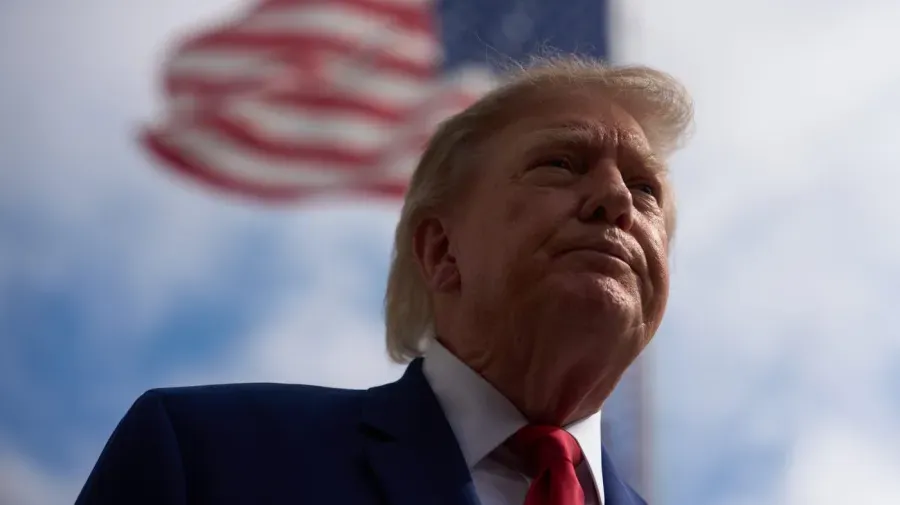
Trump's $1.5B Pentagon chip investment lands in North Carolina
A $1.5 billion defense infusion for North Carolina chipmaking signals a new era of Pentagon-backed reshoring - here's what it means for the industry.

Nigeria confirms first Ebola case in Abuja, a woman just off a Uganda flight
Health Minister Muhammad Ali Pate says the patient flew in from Uganda, putting Africa's latest outbreak on Nigeria's doorstep.