
Annecy opens with Illumination’s Minions & Monsters and Guillermo del Toro’s surprise cameo
Festival buzz turns into a real signals test for how mainstream animation gets treated, funded, and culturally positioned.
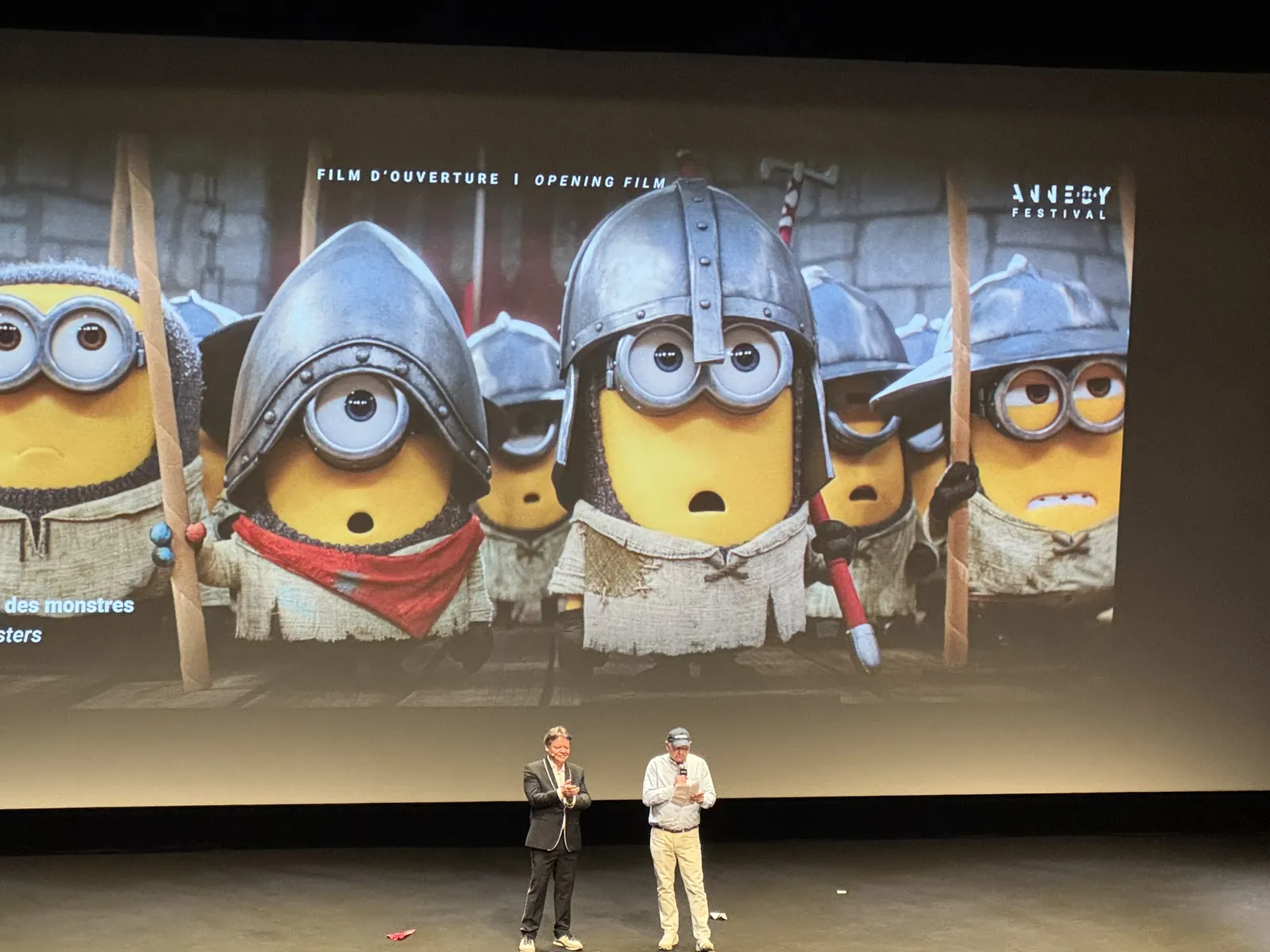
Annecy International Animation Film Festival kicked off Sunday evening with the world premiere of Illumination’s Minions & Monsters and a surprise appearance by Guillermo del Toro in the audience. The event matters to decision-makers because it spotlights how big, legacy-era storytelling is being repackaged for global audiences, with culture and attribution explicitly part of the conversation.
Annecy International Animation Film Festival started Sunday evening with a two-fer that animation executives will recognize instantly: a major studio tentpole and a high-profile creative heavyweight in the room. Illumination’s Minions & Monsters got the world premiere, and the audience included Guillermo del Toro, who appeared as a surprise guest.
That combination is the headline all day. Minions & Monsters is the third film in the Despicable Me spin-off series, and it plants the Minions in the Golden Age of Hollywood. In other words, the festival is not just screening a product. It is testing a cultural format: mainstream comedy characters placed inside a more prestigious, film-history aesthetic, with a director-level figure like del Toro physically present to signal that the conversation extends beyond cartoons and into the broader language of cinema.
For boards and investors watching animation, this matters because it reveals where attention is going. High-profile premieres like this do not just create press. They act like a demand signal for what programming leaders, talent, and distributors are willing to bet on in the near term. A franchise already proven with the Despicable Me spin-offs does something important for risk management: it reduces uncertainty around audience reach, marketing effectiveness, and licensing potential. Then the creative variable shifts. Minions & Monsters is not simply another Minions story. It re-anchors the brand in the “Golden Age of Hollywood,” a framing that implies production and storytelling choices meant to feel like a different genre, even if the target remains mass audience entertainment.
Then there is the festival itself, and the soft power around it. Annecy is one of the animation world’s key global hubs, and a strong opening sets a tone for the rest of the week. When a festival pairs a world premiere with a surprise audience appearance by a name as recognizable as Guillermo del Toro, it reinforces that animation is still able to command serious “film” attention. That can influence how talent teams perceive the space, including whether creative leaders consider animation collaborations a legitimate venue for craft and prestige, not just a separate entertainment lane.
This matters even more because the source points to a pledge focused on protecting culture and paying tribute to Marjane Satrapi. That detail is not just ceremony. When institutions explicitly commit to culture protection and tribute, they are drawing lines around attribution, representation, and the values they want reflected in programming. Satrapi’s name signals a particular kind of cultural authorship, which in turn can shape what gets spotlighted and how studios position their work. For decision-makers, that means festivals are not neutral. They can reward projects that align with the institution’s stated cultural stance, and they can influence the reputation risk calculus for studios that want both scale and legitimacy.
So what is the second-order implication for executives? It is that mainstream animation and “prestige” film identity are converging in public ways. A franchise like Despicable Me already operates at industrial scale. But putting it into a Golden Age Hollywood frame suggests a deliberate attempt to borrow legitimacy signals from classic cinema aesthetics. The surprise appearance by del Toro supports the idea that these signals are visible, and that filmmakers with strong cultural brand power are watching animation closely.
There is also a commercial implication hidden in the spotlight. When a major studio launches a third entry in a spin-off, it is effectively drawing a line under what works. Audience acceptance is only half the equation. The other half is how you expand the brand without diluting it. The Golden Age of Hollywood premise indicates that the expansion strategy is to change the cultural “skin” around the characters while relying on their established comedic engine. If the festival opening is any clue, that kind of hybrid approach is exactly the kind of positioning that can earn both mass appeal and critical attention.
For peers in similar roles, the strategic stake is clear: animation leadership now requires fluency across entertainment economics and cultural optics. A world premiere at Annecy is a platform, not a footnote. It can affect deal conversations, talent attraction, and how investors interpret creative momentum. If your roadmap depends on whether audiences will still show up, this opening is a reminder that the “why now” is also cultural. The industry is not just chasing viewers. It is trying to define what animation means, whose stories deserve tribute, and which creative voices are willing to lend the medium higher status. Annecy’s kickoff, with Minions & Monsters premiering and Guillermo del Toro in attendance, is a loud signal that those questions are being answered in real time.
This story's Key Insights and Take-aways are locked.
Create a free account to unlock Executive Actions for one credit.
Register to UnlockAlways free for Executives Club members. Join the Club
More in Entertainment
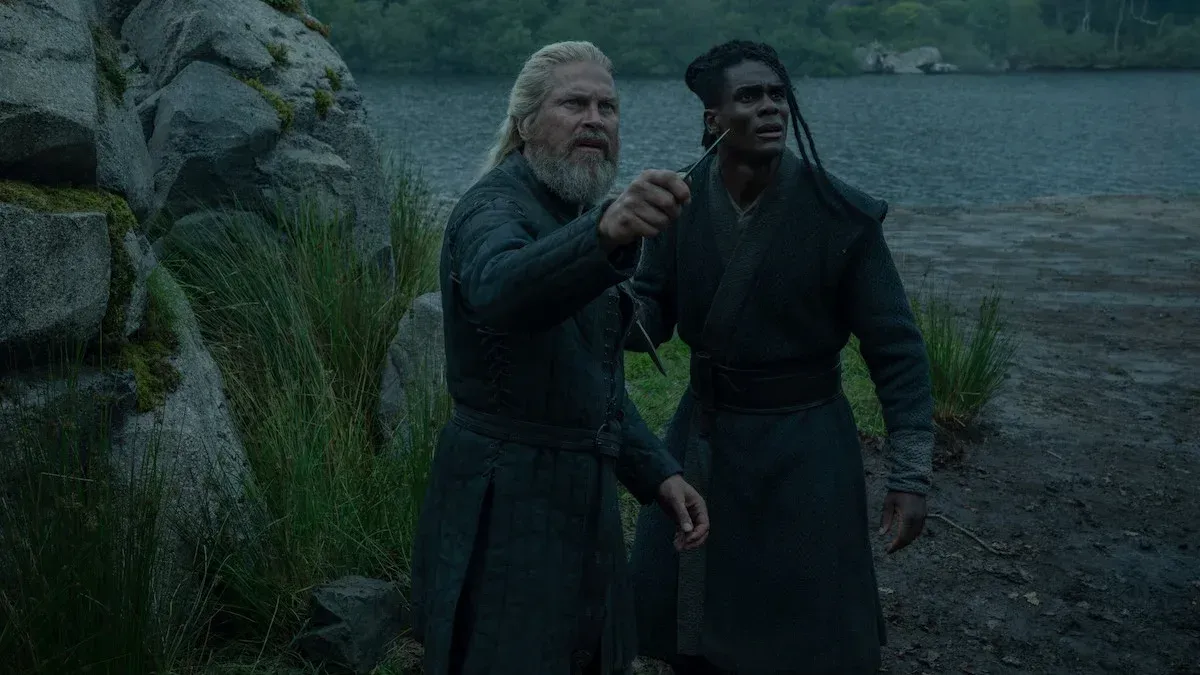
House of the Dragon’s Season 3 premiere uses the Isle of Faces to hint the Green Men
The antlered, goat-legged watcher isn’t a random cameo. It points to a sacred island of pact-making lore.

Harry Collett survives Jacaerys’ arrows in House of the Dragon season 3 premiere
The real-world stunt behind the biggest shock: a cold-water dive, blue hands, and a death scene filmed safely.

Cape Verde hold Uruguay 2-2 in Miami thriller, turning Uruguay’s Group H edge into a draw
Vozinha ends a perfect run by conceding early, but Cape Verde rally after double shocks to secure a 2-2 World Cup result.