

Anthropic drops Mythos-like AI publicly after two-month rollout, citing new high-risk safeguards
A public release two months after a private debut rattled Wall Street, enabled by safeguards that block responses in specific high-risk areas.
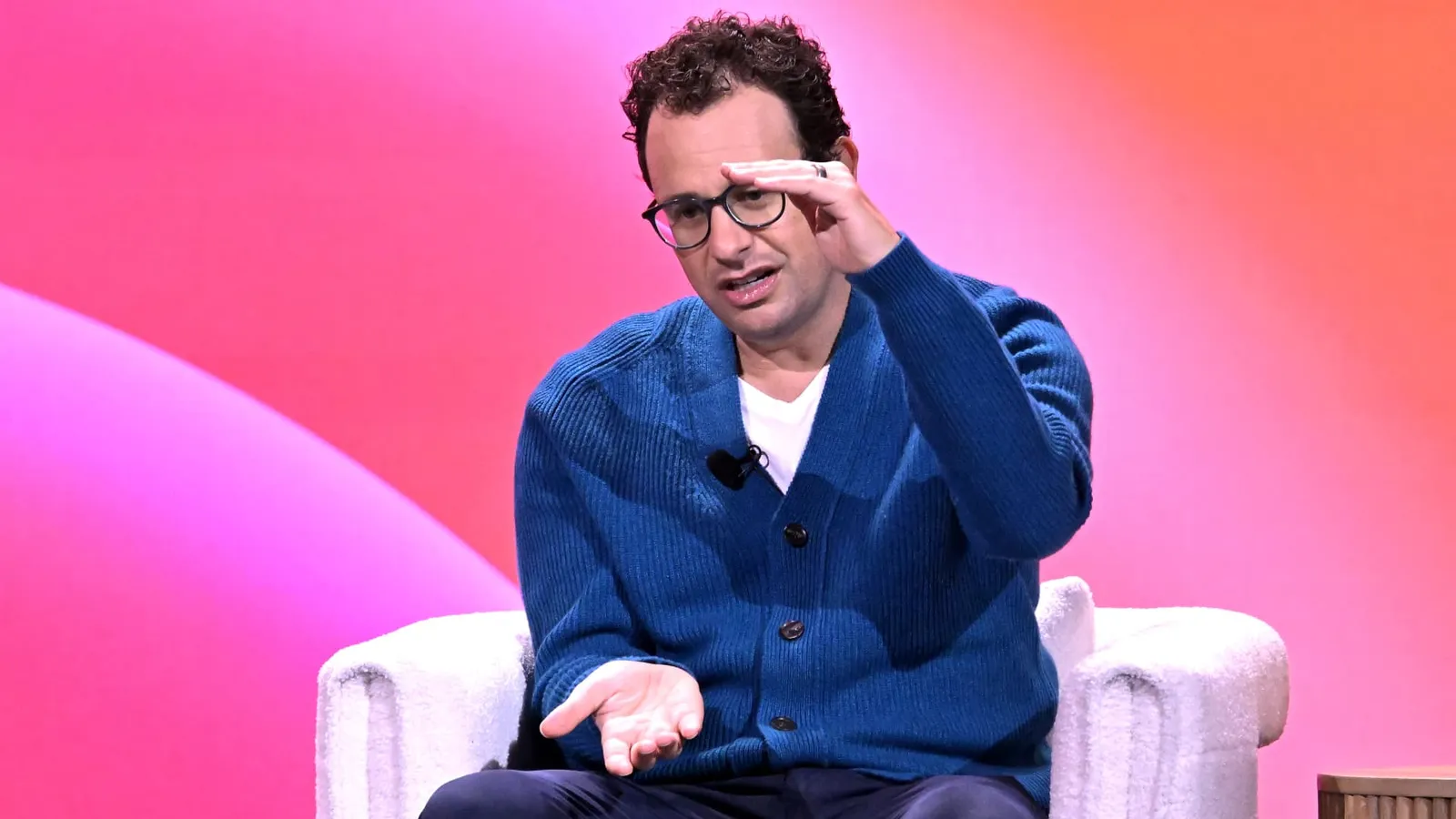
Anthropic has released a Mythos-like AI model to the public roughly two months after a private rollout shook Wall Street. The company says the broader release is possible because new safeguards can block responses in specific high-risk areas.
Anthropic is releasing a Mythos-like AI model to the public about two months after a private rollout rocked Wall Street. The timing matters. A two-month gap is not “slow burn.” It is fast enough to suggest the capability arrived quickly, but cautious enough to signal Anthropic was waiting to solve something that mattered to regulators, enterprise buyers, and the risk teams that can still shut down deployments.
The reason, according to Anthropic, is straightforward and unusually specific in its framing: new safeguards can block responses in certain high-risk areas. That means the company is not just saying “trust us” or “we improved.” It is claiming the bottleneck is controllability in the exact places where models can do the most damage or create the most regulatory exposure.
This is the kind of move that forces an uncomfortable question for executives in AI. When a private model preview can shake markets, the follow-on public release is not merely a product milestone. It becomes a governance milestone. Boards and risk committees typically care less about model demos and more about what happens when the system is pushed outside normal use cases. So when a company highlights safeguards that block responses in specific high-risk areas, it is speaking directly to the operational reality behind “responsible AI.”
Market context also matters here. Wall Street has developed a reflex in recent months: when an advanced AI system appears to leap forward, investors scramble to price the winners in the next wave of compute, distribution, and enterprise adoption. Private rollouts can amplify that effect because information moves unevenly. Some traders see something early, competitors scramble, and the market tries to infer the capabilities and risks before the full picture is available. That is likely why CNBC’s headline frames the private rollout as something that “rocked” Wall Street in the first place.
But capabilities do not survive contact with regulation and real-world deployment unless guardrails are more than marketing. In practice, “safeguards” can mean many things, including policy enforcement, refusal behavior, and system constraints that aim to stop high-risk outputs. The source does not spell out the mechanics. What it does make clear is the direction: the broad release is possible because safeguards block responses in specific high-risk areas. For decision-makers, that is the key operational claim. It suggests Anthropic expects the model can now be used more widely without crossing red lines that would trigger scrutiny or harm.
Regulatory background is the other pressure point. Across major jurisdictions, regulators have been increasingly focused on safety, misuse, and transparency, particularly for systems that can generate instructions, manipulate users, or produce harmful content. Even when enforcement is still developing, the compliance expectation is becoming more concrete. A public release creates a larger blast radius. More users, more queries, more channels for misuse, and more likelihood that regulators, journalists, and watchdogs will test the boundaries. So a company that can point to safeguards designed to block responses in high-risk areas is effectively saying: we built a gate. We can open it more widely now.
There is also a competitive second-order effect. When one leading AI lab moves from private rollout to public availability, peers have to recalibrate not only their product roadmap but their governance narrative. Investors and enterprise buyers ask similar questions for every vendor: What safety controls exist? How do they behave under pressure? Can the system be deployed broadly without unacceptable risk? Anthropic’s framing ties directly to those questions. It gives competitors a benchmark for what “ready for public release” might require.
For executives sitting on boards or running AI product teams, the strategic stakes are clear. If the market can be moved by a private preview, then the governance standards that enable public access can become part of the competitive advantage. The two-month window implies Anthropic needed time to reach a publishable level of control. In other words, the differentiator is not only the model’s raw ability, but the ability to manage its outputs in the exact high-risk areas that trigger the hardest questions. If you are responsible for product approvals, enterprise contracts, or capital allocation in this space, that is the lesson to extract today: in the AI race, the safest system to ship publicly is the one that can prove it can block the bad stuff.
This story's Key Insights and Take-aways are locked.
Create a free account to unlock Executive Actions for one credit.
Register to UnlockAlways free for Executives Club members. Join the Club
More in Technology

OpenAI says 10,000 agents cracked a 90-year math problem in 88 hours
The company's claim is audacious, but one mathematician is pushing back. Here's what it means for AI-driven discovery.
Meta still serves child sexual abuse ads on Instagram in India - BBC report
A new report following the BBC Eye investigation says the ads are still there - what it signals for every platform with a self-serve ad engine.
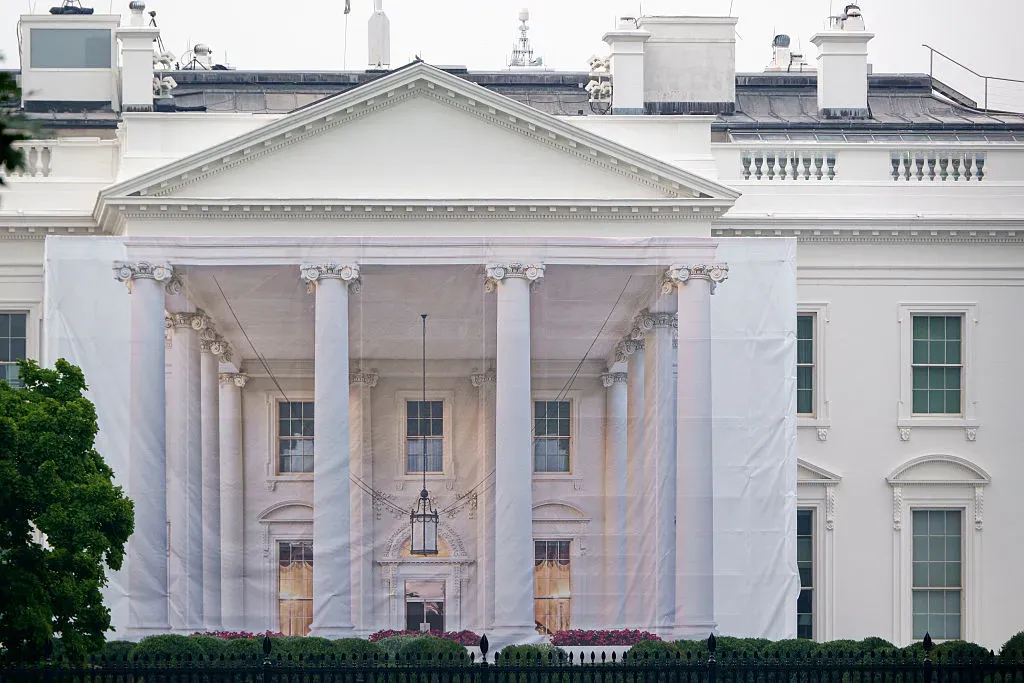
White House yanks 'Build the Wall' game after Tetris Company copyright warning
The administration's arcade game vanished in hours - and the takedown playbook every brand can learn from.