

Anthropic's $2 trillion IPO hinges on trustees with zero shares
The Claude maker's up to $2 trillion debut puts a board controlled by an outside trust with no equity at the center of its public-market test.
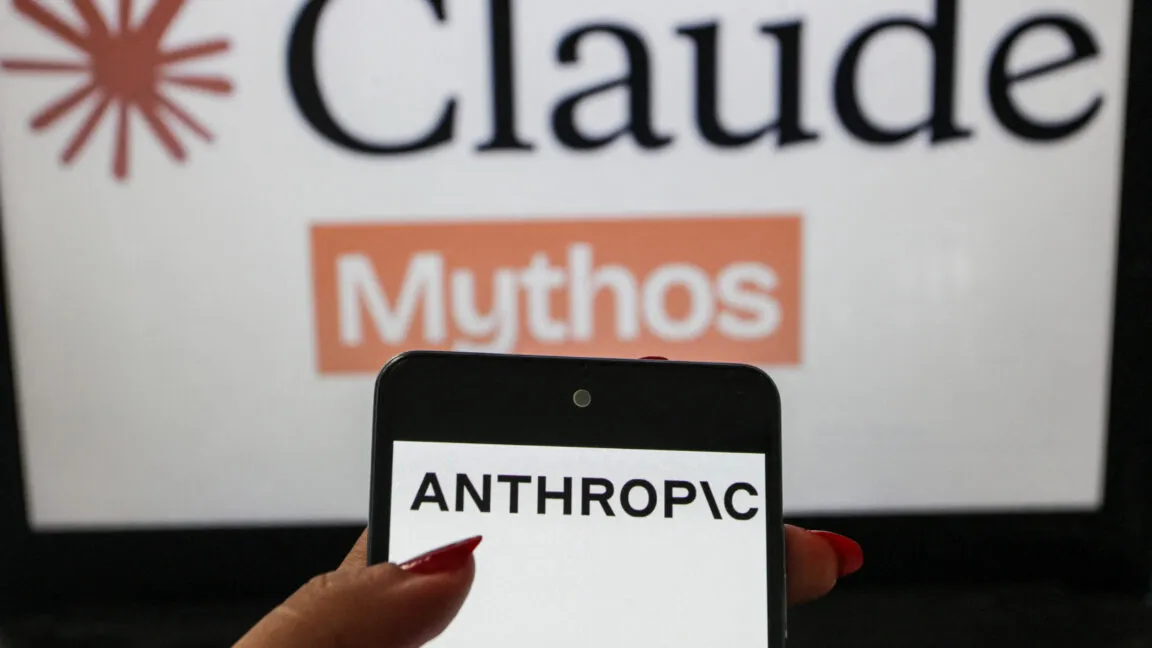
Anthropic, the Claude maker, is preparing an IPO that could value it at up to $2 trillion while its Long-Term Benefit Trust controls a majority of its board and owns no shares. For investors, executives, and directors, this new governance trade-off will be the most consequential piece of diligence before any public deal is priced.
Anthropic's planned IPO could value the Claude maker at as much as $2 trillion, making it one of the defining AI capital markets events in recent memory. The deal's most important number may be zero: the equity held by the group that controls a majority of Anthropic's board. That group is the Long-Term Benefit Trust (LTBT), a small slate of external advisers created to safeguard the lab's mission of developing AI for the long-term benefit of humanity. Anthropic plans to keep the trust's role intact after the stock-market debut, which means public shareholders will not be buying a conventional control story.
In a typical public company, capital and control travel together. Founders who want to keep control after an IPO usually do so through a special share class, but they still own a large pile of equity and their fortunes still rise and fall with the share price. The LTBT has no equity cushion and no direct upside in the stock. Its authority exists because Anthropic intends to keep mission independent from commercial pressure. That inversion is rare and, at a $2 trillion scale, nearly untested.
Public-market scrutiny will now do what private longevity could not: measure the real cost of the trade. Quarterly earnings, product cycles, and exit pressure will all pull the company toward short-term decisions. An external trustee who owns zero shares creates a governance wall between that pressure and the board's mission. If the stock stumbles, the trust does not lose its own capital. If the stock soars, the trust does not gain nearly as much. For asset managers who are trained to expect alignment with ownership dollars, this is the missing piece.
Investors should expect trust governance to become a core due-diligence item. What can the LTBT stop, what can it approve, and how does it relate to the audited board? Those answers will define whether this has been a pure IPO or a slow-moving collision between profit and purpose. In a standard launch, the board is answerable to shareholders through elections and economic outcomes. With the LTBT holding the majority, the chain of accountability shifts outside the cap table. A public investor may buy a large stake but still have little control over the people who run the company.
The argument for the design is that it was built for exactly this test. The LTBT is not a defense mechanism from a later stage started. It is a formal, organizational decision to keep safety, society, and the mission with the board's mixing chips. The risk is that the design becomes heavy as growth, financial discipline, and competitiveness accelerate. The same trust that protects the mission can also, in the interest of that mission, slow product launches, cap capabilities, or reject an adjacently profitable move. Those events may be justified and responsible, but they create valuation scenarios that conventional modeling processes have no easy answer for.
The broader lesson goes far beyond Anthropic. Every AI company that will eventually come to market is watching this process. The public investors of this era are deciding, at the same time, which AI model wins and which governance shapes are acceptable. If Anthropic successfully scrutinizes this structure and still builds a $2 trillion company, a literal template emerges for any company that wants to bind its board to a mission outside of equity ownership. If it fails, the next batch of AI founders will take the simpler route of respecting the old rules. That is why Anthropic is intentional: not just about the Claude maker itself, but about the terms under which artificial intelligence can be publicly traded are decided. The next public AI company will run on Anthropic's bridge.
What matters now is not the headline price. It is whether public investors are willing to hold a $2 trillion company in which the equity is the strongest tool in the boardroom. New shareholders will all have different vote experiences, but the board's majority chair belongs to the trust with zero shares. That zero is now the most important risk metric in the AI capital markets, and it will not be on a balance sheet.
This story's Key Insights and Take-aways are locked.
Create a free account to unlock Executive Actions for one credit.
Register to UnlockAlways free for Executives Club members. Join the Club
More in Business
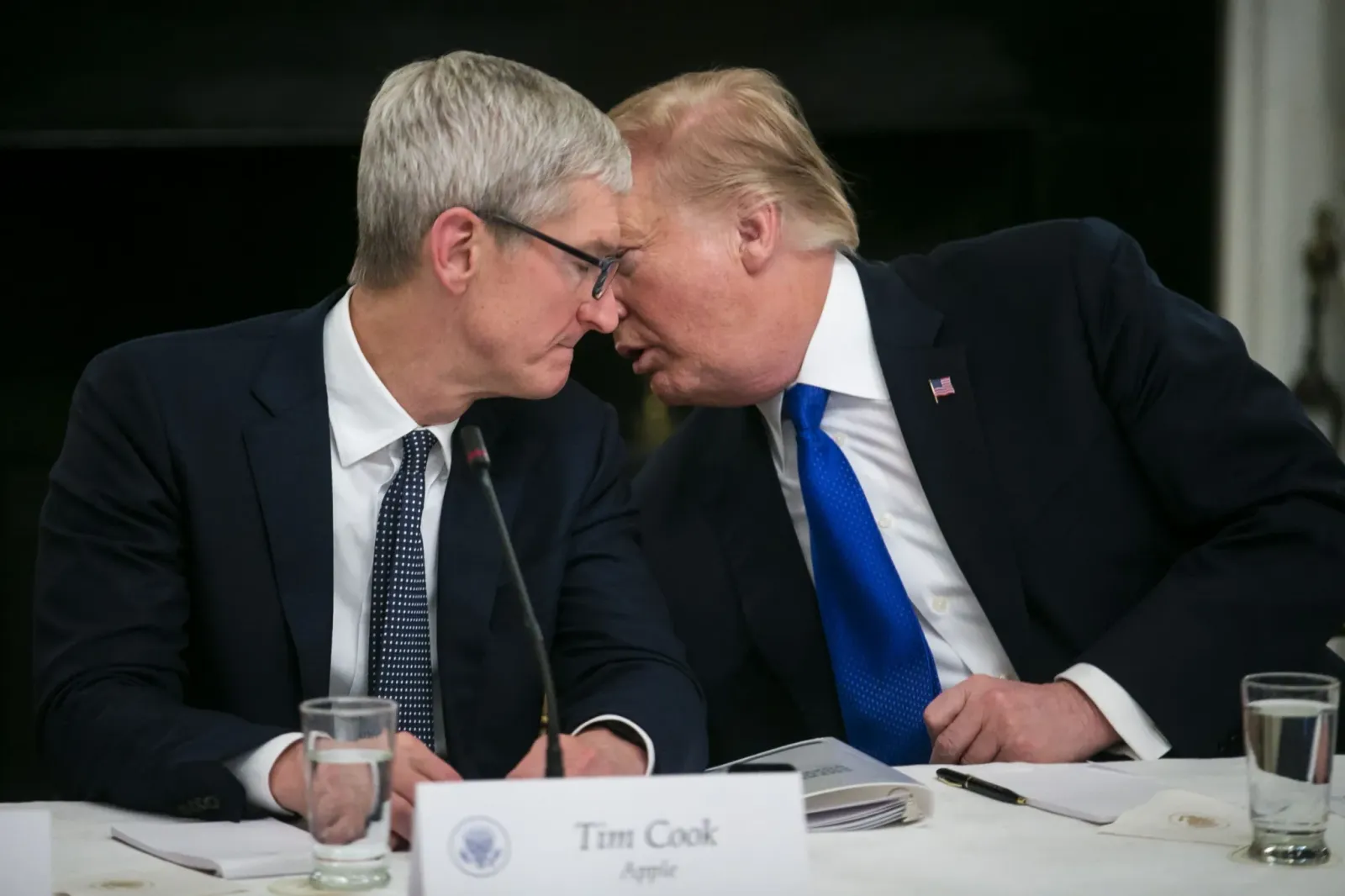
Tim Cook steps down as Apple CEO, stays on as chair with $45M equity
The 'Trump whisperer' keeps his White House and Beijing access as Apple navigates tariffs and a $4.6 trillion market cap.
Snowflake shares surge as AI data demand crushes estimates, lifting full-year forecast
Stocks jumped on stronger-than-expected guidance, signaling enterprise AI workloads are accelerating faster than Wall Street priced in.
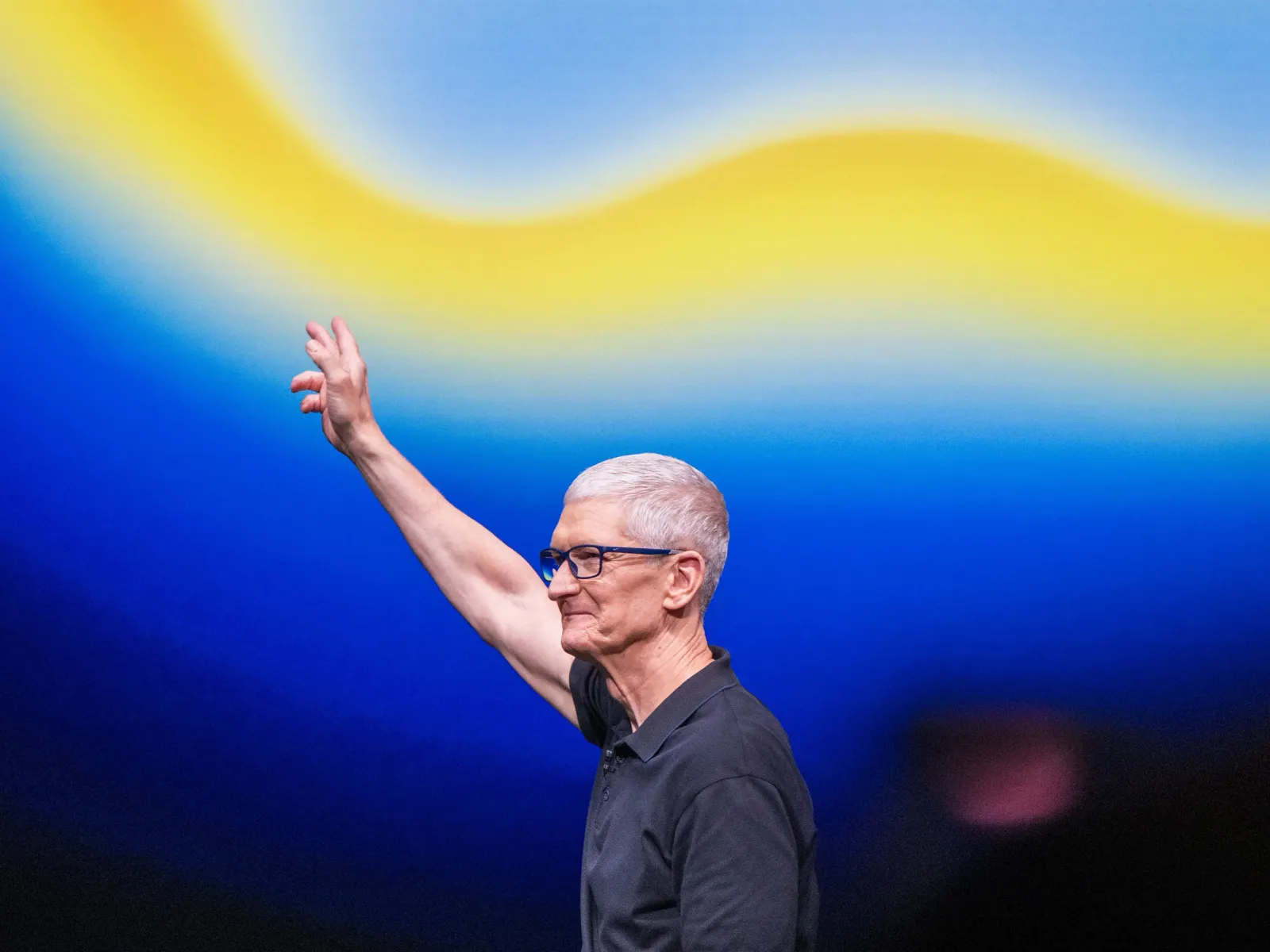
Tim Cook's 15-year Apple CEO run ends: 3 lessons for any successor
After 15 years, Tim Cook hands Apple to John Ternus - here's how he turned a $350B company into a $4.6T juggernaut.