
Apple Hands New CEO John Ternus a $58 Million Pay Package
The package, anchored by $55 million in equity, shows how Apple's board is betting on continuity as Tim Cook steps aside.

Apple has set a $58 million pay package for new CEO John Ternus, who formally took over from longtime chief executive Tim Cook today. The package, which includes a $3 million salary and $55 million in equity awards, signals the board's confidence in Ternus and its focus on long-term retention.
Apple has set a pay package worth $58 million for new CEO John Ternus, who formally took the reins from longtime chief executive Tim Cook today. The package includes a $3 million annual salary and equity awards valued at $55 million. That equity is not immediate: it is scheduled to be awarded in the company's fiscal 2027, which starts in October. The structure makes clear that Apple's board is thinking beyond the handover ceremony.
The headline number is $58 million, but the real story is the split. Ternus's base salary is a relatively small slice of the total. The bulk of his compensation is tied to equity that will be awarded years from now. That is a deliberate signal. The board is not just paying Ternus for taking the job; it is paying him to stay, perform, and grow Apple's value over a multi-year horizon.
Ternus steps into a role that Tim Cook held for more than a decade. That longevity alone sets a high bar. The pay package suggests the board wants to ensure Ternus is locked in for the long haul, not tempted to make short-term moves that could boost the stock but damage the company's trajectory.
The equity award's timing is worth pausing on. Fiscal 2027 begins in October, which means the award is roughly two and a half years away. That is a long runway. For a new CEO, a deferred equity grant of this size acts as both a retention tool and a performance incentive. If Apple's stock performs well and Ternus remains in the role, the award will likely be worth more. If the company stumbles, the value could shrink. Either way, Ternus's interests are aligned with shareholders.
This structure is common in corporate America, especially among large technology companies. CEO pay packages are often dominated by stock awards rather than cash salaries. The logic is straightforward: equity rewards long-term value creation and discourages executives from focusing on quarterly noise. Apple's board appears to be following that playbook, but with a notable twist. The award is not just annual equity; it is a specific grant scheduled for a future fiscal year, which makes the retention message even stronger.
There is also a governance angle. Public companies in the U.S. must disclose executive compensation in proxy filings, and shareholders typically get a non-binding say-on-pay vote. A $58 million package for a new CEO is not unusual by mega-cap standards, but it will still draw scrutiny from proxy advisors and institutional investors. The deferred equity component may help. Investors often look more favorably on pay that is tied to performance and tenure rather than guaranteed cash.
For other boards, this package offers a template for succession planning. When a longtime CEO steps down, the temptation is to either underpay the successor or overpay with guaranteed cash. Apple's approach is different: a modest salary, a large equity award, and a long time horizon. That combination signals confidence in Ternus while also protecting shareholders if things go wrong. It is a balanced approach that other companies may want to study.
The strategic stakes go beyond Apple. Ternus is now one of the most visible CEOs in the world, and his pay package will be parsed by investors, executives, and compensation consultants. The message is that boards are willing to pay top dollar for continuity and proven leadership, but they want that pay to be earned over time. For peers in similar roles, the lesson is clear: the best way to justify a big package is to tie it to the company's future, not its past.
This story's Key Insights and Take-aways are locked.
Create a free account to unlock Executive Actions for one credit.
Register to UnlockAlways free for Executives Club members. Join the Club
More in Business
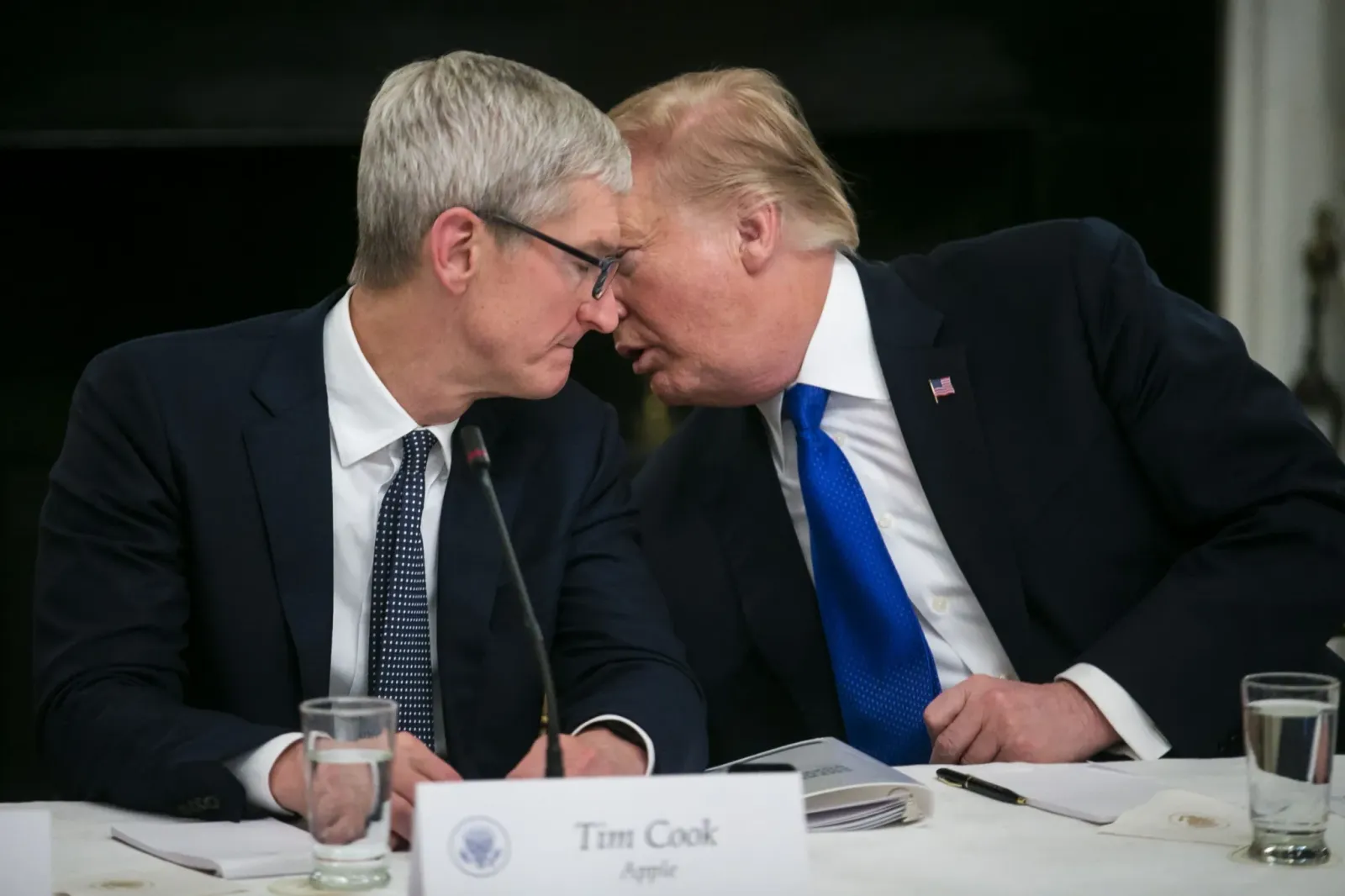
Tim Cook steps down as Apple CEO, stays on as chair with $45M equity
The 'Trump whisperer' keeps his White House and Beijing access as Apple navigates tariffs and a $4.6 trillion market cap.

Snowflake shares surge as AI data demand crushes estimates, lifting full-year forecast
Stocks jumped on stronger-than-expected guidance, signaling enterprise AI workloads are accelerating faster than Wall Street priced in.
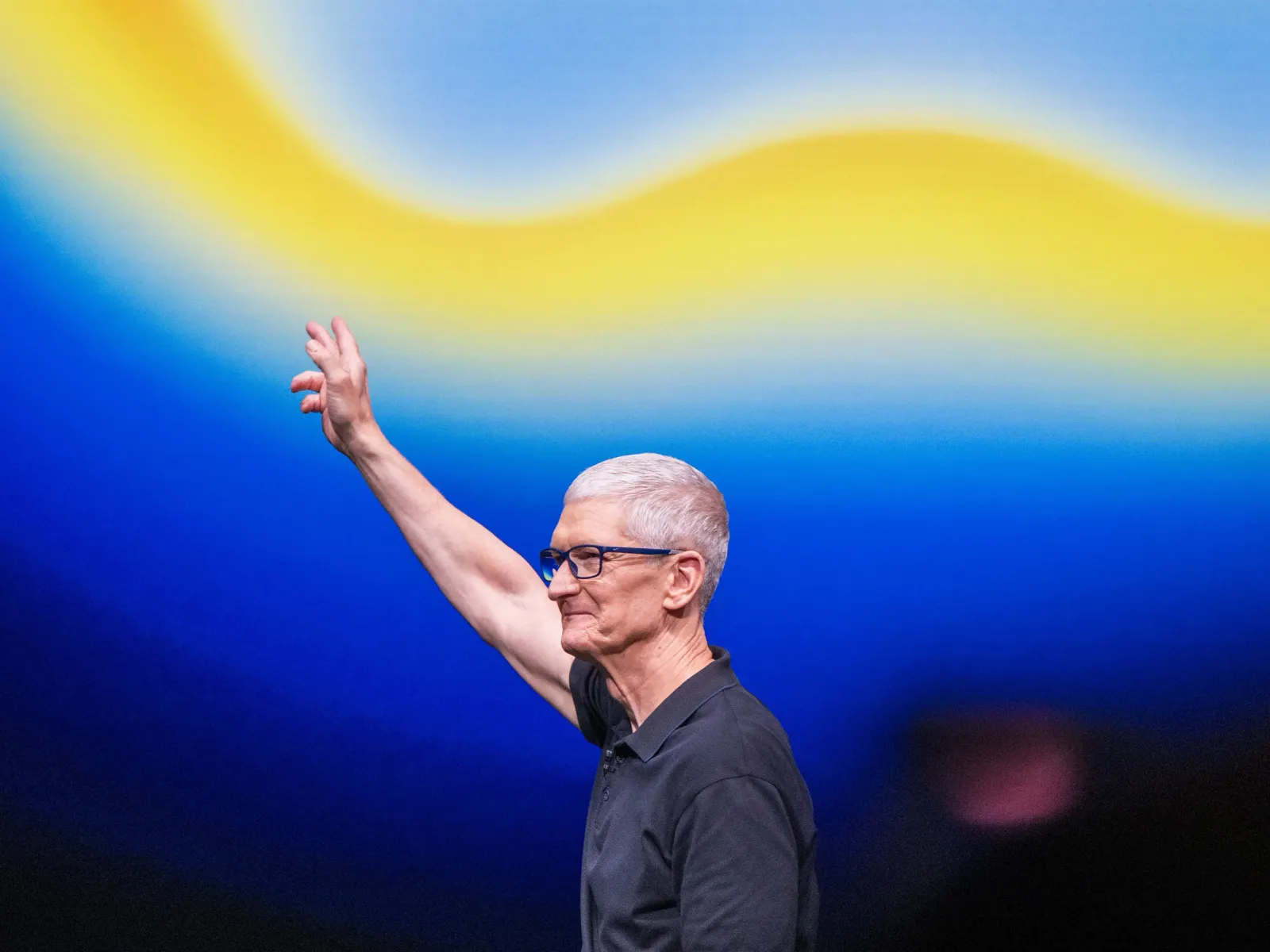
Tim Cook's 15-year Apple CEO run ends: 3 lessons for any successor
After 15 years, Tim Cook hands Apple to John Ternus - here's how he turned a $350B company into a $4.6T juggernaut.