

Apple's first touchscreen MacBook is days away - and it's bringing an OLED surprise
Apple is reportedly days away from unveiling its first touchscreen MacBook, and the same event is expected to include another OLED surprise that could reshape its laptop lineup.
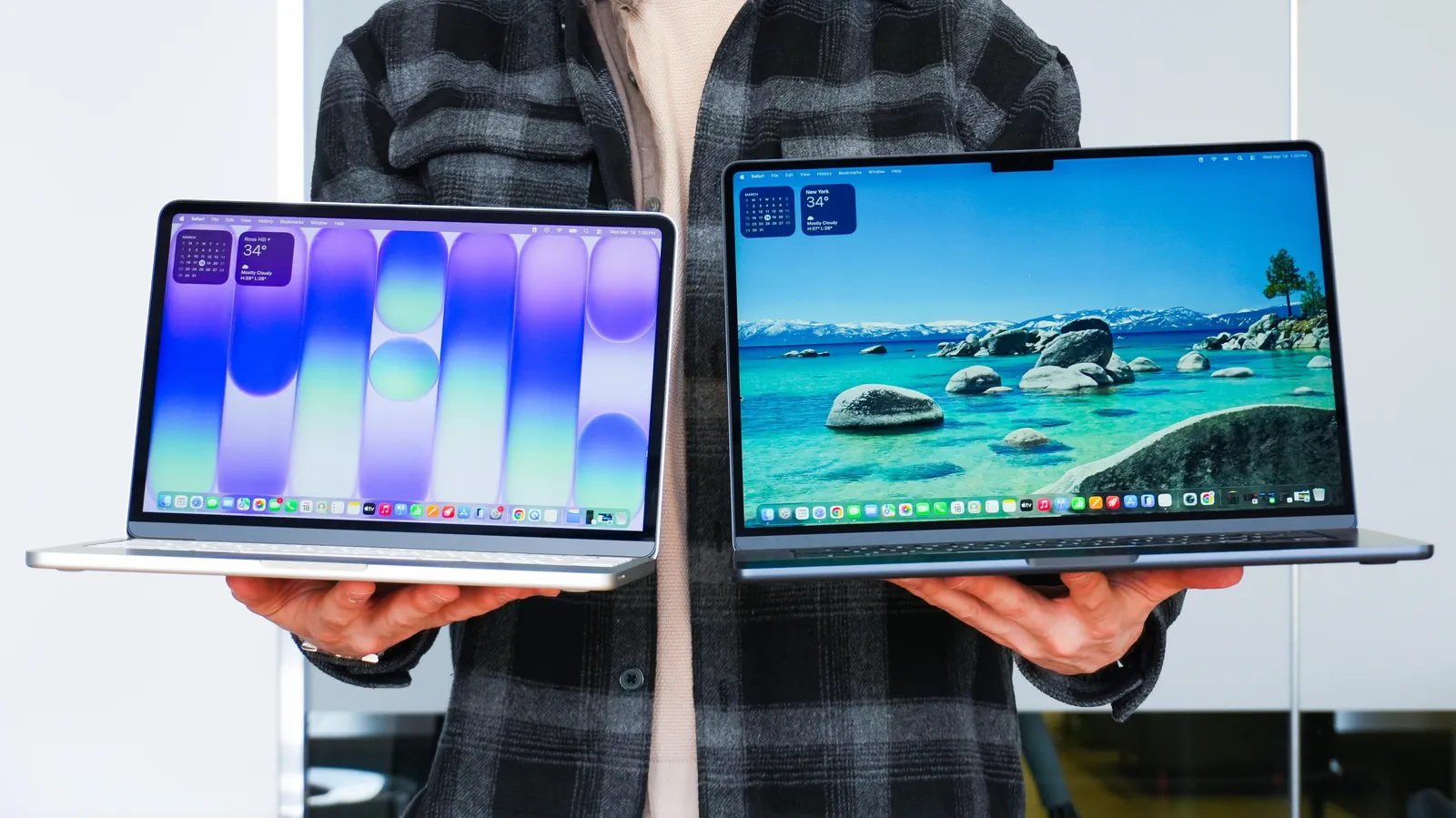
Apple has reportedly set a date to unveil its first touchscreen MacBook, with an additional OLED display surprise expected at the same event. For decision-makers, this marks a strategic reversal that could affect device standardization, app development, and enterprise purchasing across the Mac ecosystem.
Apple is reportedly days away from unveiling its first touchscreen MacBook, and the same event is expected to include another OLED surprise. According to a ZDNet report, the company has set a date for the announcement, though Apple has not publicly confirmed the details. The touchscreen MacBook would be a historic first for a product line that has stubbornly resisted touch input for decades, and the pairing with an OLED display suggests Apple is preparing a major hardware refresh rather than an incremental update.
The report does not specify the exact nature of the OLED surprise, but Apple has been widely expected to transition the MacBook Pro from mini-LED to OLED displays. OLED panels offer deeper blacks, better contrast, and improved power efficiency, making them a natural upgrade for Apple's pro laptops. If the report holds, Apple could be pairing a major input method change with a display technology leap in a single product cycle, a move that would ripple through its supply chain and product lineup for years.
For years, Apple has positioned the iPad as its touch-first device, keeping the Mac's interface anchored to the keyboard and trackpad. That separation has been a defining feature of Apple's product philosophy, and it has also been a point of differentiation from Windows PCs, where touchscreens have been common for over a decade. Microsoft's Surface line and a wave of touch-enabled laptops from Dell, HP, and Lenovo have normalized touch on traditional laptops, putting pressure on Apple to respond. The company's resistance was often framed as a design choice, but market expectations have clearly shifted.
The strategic stakes are significant. A touchscreen Mac could blur the line between iPad and Mac, potentially cannibalizing iPad sales but also strengthening the Mac's appeal to users who want a single device for both productivity and casual interaction. For enterprise IT leaders, the change could simplify device fleets by allowing one device to serve both keyboard-centric and touch-centric workflows, though it may also require new training and app compatibility testing. The decision to add touch is not just a hardware feature; it is a signal that Apple is willing to evolve its core product philosophy to meet changing user habits.
From a supply chain perspective, OLED displays are more expensive to produce than the mini-LED panels currently used in MacBook Pro models. That cost could push prices higher, especially if Apple applies the technology across multiple MacBook lines. Historically, Apple has been willing to absorb component costs to maintain margins, but it has also shown a willingness to raise prices when new technology debuts, as seen with the iPhone's transition to OLED in 2017. For procurement and finance executives, the pricing of the new MacBooks will be a key indicator of Apple's margin strategy and its confidence in demand.
The timing of the report is also notable. Apple's Mac lineup has seen a resurgence since the introduction of its own silicon chips, with strong sales growth in recent years. Adding touch input and OLED displays could extend that momentum, but it also raises questions about the future of the iPad Pro, which has increasingly positioned itself as a laptop replacement with accessories like the Magic Keyboard. If the Mac gains touch, the iPad's unique selling proposition becomes less clear, and Apple may need to reposition its tablet lineup to avoid internal competition.
For executives and decision-makers, the takeaway is to watch the official announcement closely. The specific models that receive touch support, the implementation of the OLED display, and the pricing will determine how quickly enterprises and creative professionals adopt the new hardware. Apple has a history of refining technology over multiple generations, so the first touchscreen MacBook may be just the beginning of a broader shift. Companies that standardize on Apple hardware should start evaluating how touch-enabled macOS could change workflows, app design, and user training, and they should prepare for a potential wave of upgrades as the new devices hit the market.
This story's Key Insights and Take-aways are locked.
Create a free account to unlock Executive Actions for one credit.
Register to UnlockAlways free for Executives Club members. Join the Club
More in Technology

doubleAI's Maxwell rewrites code while it runs, claims 38x speedups
The Tel Aviv startup's code execution model formally verifies optimizations, turning AI into an agent for the hardware itself.
Saudi military official paid to fly OpenAI bugging suspect's family out, prosecutors say
A court filing says a Saudi military official funded the family's exit and Riyadh offered bail, putting foreign-influence risk squarely on AI boards.
AI researcher's 26,000-word claim: Neural nets aren't tangled after all
Nick Cammarata's Goodfire post has the AI world split - if he's right, monitoring frontier models just got a lot easier.