
Apple TV thriller with Javier Bardem and Amy Adams hits #1 worldwide
A psychological thriller front-runs Apple TV's slate, turning one show into the streamer’s current global attention magnet.

Apple TV’s psychological thriller starring Javier Bardem and Amy Adams has surged to the #1 spot worldwide. For decision-makers, the quick rise is a real-time signal that Apple TV’s programming mix is working, and that audiences are rewarding psychological, multi-genre storytelling.
Thrillers are taking over Apple TV. Right now, the streamer has a psychological thriller starring Javier Bardem and Amy Adams that has quietly surged to the #1 spot worldwide. That is the headline in plain English: Apple TV is not just airing another dark drama, it is seeing global top-of-market attention land on a show engineered to keep people watching, not just clicking.
This matters because the rise to #1 is happening in the middle of a broader lineup strategy that is pretty explicit in the way Apple TV is stacking its catalog. Collider frames it as a slate built to “keep the adrenaline pumping” with multiple genres running in parallel: crime dramas like Jon Hamm's Your Friends & Neighbors, sci-fi dramas like Star City, horror offerings such as Widow's Bay, and comedy options like Maximum Pleasure Guaranteed. Into that mix, the Bardem and Adams thriller is positioned as the “ruling show,” the one that “combines most of these other aspects,” using psychological suspense as the wrapper for a broader entertainment punch.
The second-order lesson for executives and investors is that genre multiplexing seems to be winning attention, even when the content is fundamentally psychological. In streaming, a show rarely wins because it is merely “good.” It wins because it is legible in a crowded queue, because its tone tells viewers what kind of night they are about to have, and because that promise holds episode to episode. Collider’s description points to a very specific mechanism: psychological thrillers that blend the texture of crime drama, the scale and speculation of sci-fi, and the moodiness of horror, while still delivering hooks that keep viewers from bouncing to the next tab.
You can also read this as a platform signal. Apple TV has been curating a wide range of viewing motivations, from the adrenaline seekers to horror fans and comedy lovers. But the fact that the Bardem and Adams show is reaching #1 worldwide suggests Apple TV is not only filling content slots, it is concentrating viewer attention where the platform can actually benefit most: the top position that implies broad, not niche, demand. Globally is the key word. A show can be beloved in one region or community, but a worldwide #1 implies the story’s psychological engine is translating across cultures and tastes.
This is where incentives start to look less like “what do we think will work” and more like “what does the audience reward under real-world competition.” Boards and senior operators care about this because the industry is driven by ongoing retention and churn pressures. Even without any regulatory story attached in Collider’s piece, the broader regulatory backdrop in streaming generally affects how platforms think about distribution, advertising, and audience targeting across jurisdictions. The practical takeaway is that executives need content that performs cleanly across markets and avoids dependence on one narrow demographic profile. A worldwide #1, especially one described as combining multiple genre pleasures, is exactly the kind of performance that reduces platform risk.
There is also a strategic timing angle. Collider explicitly describes the moment as “Thrillers are currently having their moment on Apple TV.” That framing is not subtle. It suggests momentum, not just isolated popularity. In streaming operations, momentum changes decision-making: it can justify keeping marketing spend where it lands, accelerating renewals, and prioritizing future production slates that match the demonstrated viewer appetite. If psychological thrillers with multi-genre appeal are trending inside Apple TV, that is a blueprint for programming choices, not a one-off curiosity.
For peers, the question is not “Is this show good?” It is “What does this performance imply about audience behavior when many formats are available at once?” Collider lists an entire roster of active shows across crime, sci-fi, horror, and comedy. Yet the Bardem and Adams thriller is currently the apex in global ranking. That suggests the market may be rewarding narratives that provide sustained tension and mental engagement, the kind that turns passive watching into active attention. If you lead a platform, a studio, or a rights portfolio, this is a real signal: psychological thrillers that can straddle multiple genre satisfactions are positioned to capture the biggest share of viewing time.
So the stakes for decision-makers are simple. If your company is betting on content strategy, this is proof of concept that can influence greenlights and resource allocation. If you are on a board, it is a datapoint about where audience demand is concentrating. And if you are an operator negotiating partnerships or planning slate composition, Apple TV’s #1 worldwide moment with a Bardem and Adams psychological thriller offers one clear takeaway: the platform that can make tension bingeable wins the week, and sometimes, the chart.
This story's Key Insights and Take-aways are locked.
Create a free account to unlock Executive Actions for one credit.
Register to UnlockAlways free for Executives Club members. Join the Club
More in Entertainment

Clive Barker’s Hellraiser Revival launches as a standalone single-player survival horror this October
Behavior and dead by daylight may own the asym horror conversation, but Hellraiser is changing the format on purpose.

Reese Witherspoon turns “Elle” reunion into a 25-year reckoning: Prime Video July 1
The “Legally Blonde” cast reunites as Witherspoon spotlights the “Elle” prequel’s production and debut date.
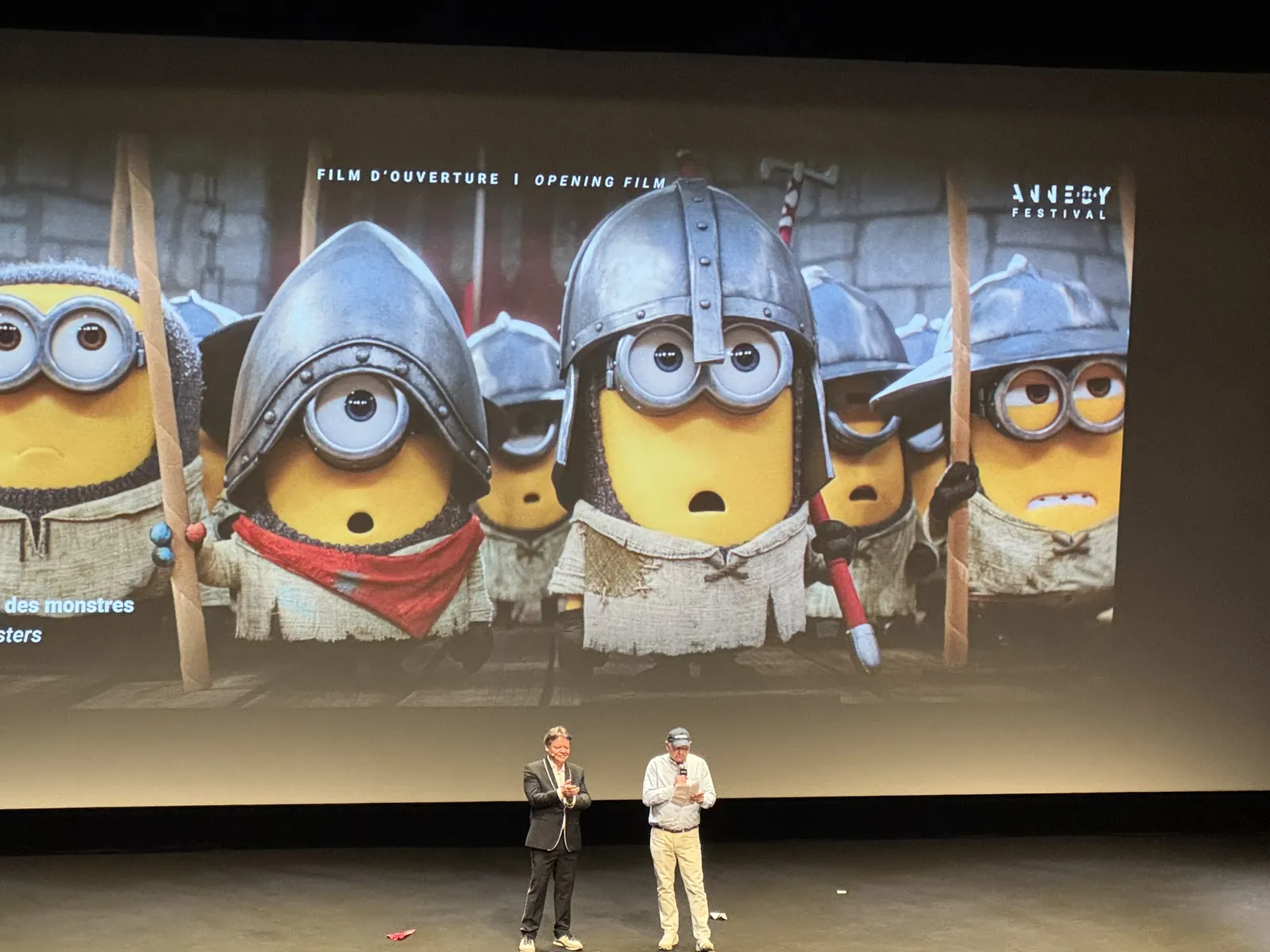
Annecy opens with Illumination’s Minions & Monsters and Guillermo del Toro’s surprise cameo
Festival buzz turns into a real signals test for how mainstream animation gets treated, funded, and culturally positioned.