
Clive Barker’s Hellraiser Revival launches as a standalone single-player survival horror this October
Behavior and dead by daylight may own the asym horror conversation, but Hellraiser is changing the format on purpose.
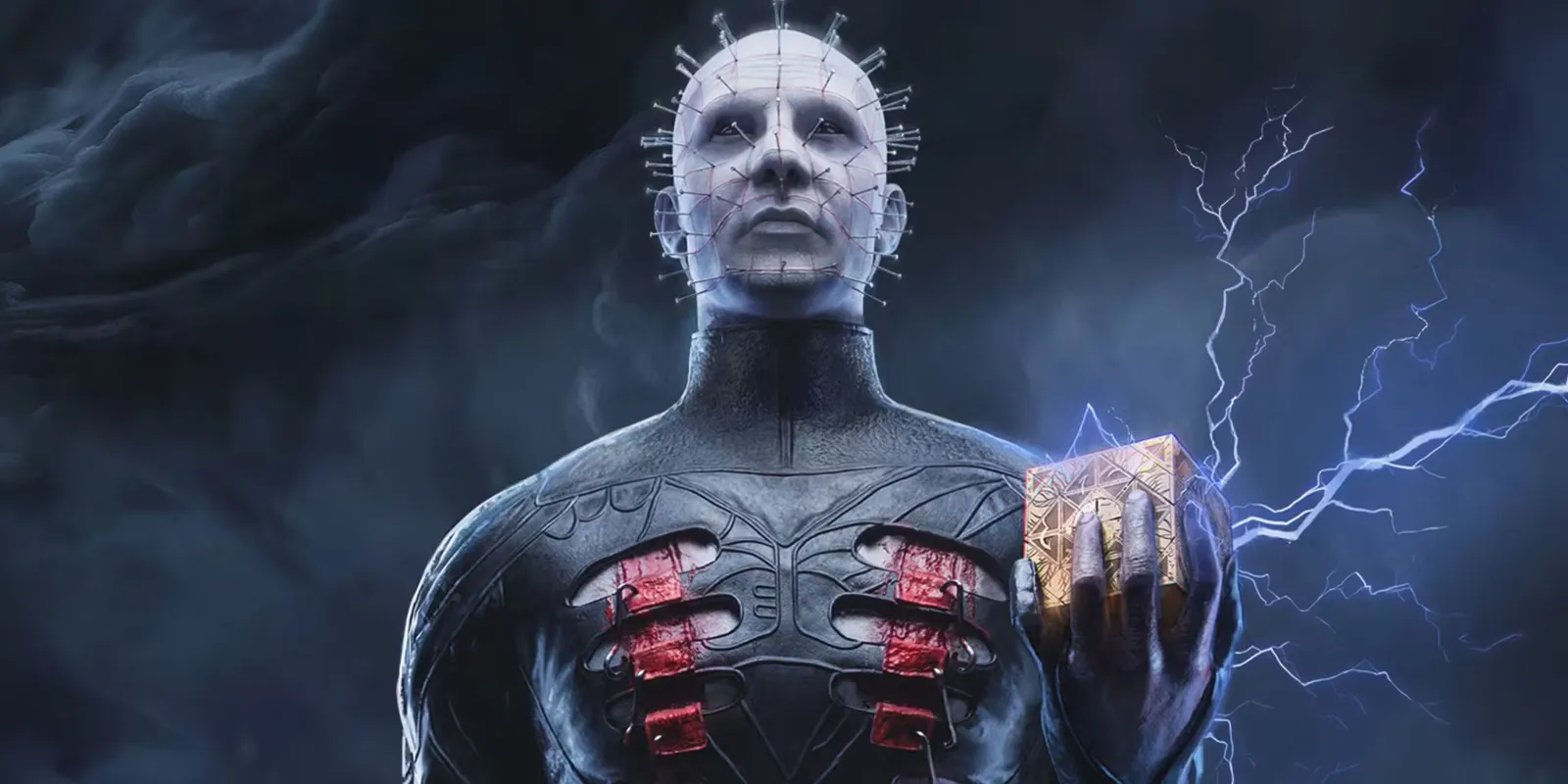
Clive Barker’s Hellraiser: Revival, announced roughly a year ago, is headed to a standalone game launching this October as a single-player, first-person survival horror title. For decision-makers, it signals that one of horror IP’s biggest brands is actively opting out of the Dead by Daylight formula.
Hellraiser is officially breaking its own pattern. After its last big appearance via a DLC Chapter for Dead by Daylight, Clive Barker’s Hellraiser: Revival is coming as a standalone game this October, and it is not arriving wearing the usual asymmetrical trench coat.
The big shift is the gameplay perspective. Hellraiser: Revival is a single-player, first-person survival horror game. That is a rare mix for an IP as recognizable as Hellraiser, and it matters because the market for horror games has been strongly shaped by one dominant playbook: Dead by Daylight’s blend of original and licensed content. In other words, this is not just another horror release. It is a format wager.
To understand why executives should care, zoom out to how asymmetrical horror became the default strategy. Dead by Daylight has essentially built a “horror franchise monopoly” position by consistently delivering original hooks alongside licensed brands. That blend is not an accident. Licensed horror brings instant audience trust, while original content keeps the experience from feeling like a museum exhibit. ScreenRant frames why that approach is working: other asymmetrical horror games have struggled to compete with Dead by Daylight’s specific combination.
So when Hellraiser’s licensed IP chooses a different shape, it is automatically a competitive signal. The Hellraiser brand does not need to be a second SKU inside the same format ecosystem. Instead, Hellraiser: Revival is aiming for a different value proposition: the tension and immersion of survival horror in a first-person, single-player structure. For operators and investors, that choice changes the funnel. A single-player game has a different retention curve than a session-based asym game. It also leans more heavily on atmosphere, level-to-moment pacing, and narrative payoff to justify purchase decisions without the built-in social stickiness that comes from matching with other players.
There is also an incentive story under the hood. Licensed horror properties are expensive, and licensing decisions are typically justified by a platform that can deliver reliable audience demand. A company might lean into the platform where conversion is highest. But the last year’s Dead by Daylight DLC play shows the temptation to stay close to what already works. Hellraiser: Revival opting for a standalone survival horror model instead of another DLC-based appearance suggests the project believes the brand can travel beyond the asymmetrical audience.
From a risk and governance standpoint, format pivots are not just creative decisions. They affect publishing strategy, marketing spend, content roadmap, and operational planning for support and updates. If a studio’s leadership chose this approach, the board and investors are effectively underwriting a bet that Hellraiser can perform without relying on the Dead by Daylight monopoly playbook. That is a meaningful board-level discussion, because it changes what success metrics even look like. Asym horror success can be measured through match health and ongoing engagement. Single-player survival horror success tends to be measured more through launch impact, reviews, completion rates, and longer tail discoverability.
There is no indication in the source of any regulatory twist or approval process. But there is a parallel regulatory context worth keeping in mind: licensing and content compliance in horror games often intersect with regional rating systems and platform content policies. Switching to first-person survival horror can increase scrutiny on depictions and intensity compared to certain multiplayer experiences, even when the IP is familiar. The practical takeaway is that compliance workload can shift with perspective and intensity, which affects timelines and operational risk management. ScreenRant does not list specifics here, but the “rare to see” nature of this format for an iconic horror IP implies that this is not a casual re-skin.
For peers, the second-order implication is simple: the dominant asym horror model is not the only route to scale for licensed horror. If Hellraiser: Revival lands successfully as a standalone single-player first-person survival horror game, it strengthens the case for other big horror IPs to diversify. If it underperforms, it still provides hard data about what formats audiences will accept when a beloved brand leaves the comfort zone.
This story's Key Insights and Take-aways are locked.
Create a free account to unlock Executive Actions for one credit.
Register to UnlockAlways free for Executives Club members. Join the Club
More in Entertainment

Apple TV thriller with Javier Bardem and Amy Adams hits #1 worldwide
A psychological thriller front-runs Apple TV's slate, turning one show into the streamer’s current global attention magnet.

Reese Witherspoon turns “Elle” reunion into a 25-year reckoning: Prime Video July 1
The “Legally Blonde” cast reunites as Witherspoon spotlights the “Elle” prequel’s production and debut date.
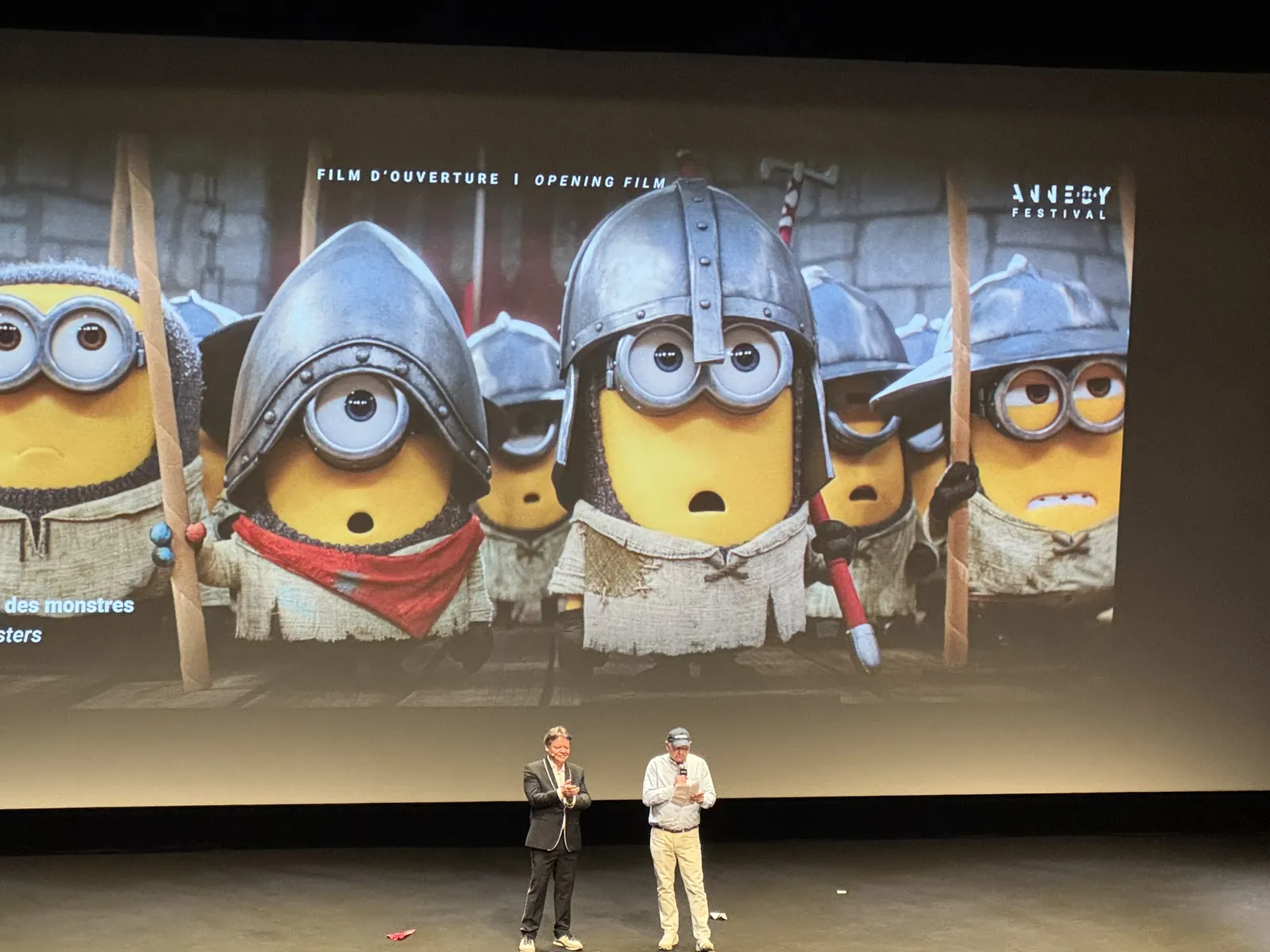
Annecy opens with Illumination’s Minions & Monsters and Guillermo del Toro’s surprise cameo
Festival buzz turns into a real signals test for how mainstream animation gets treated, funded, and culturally positioned.