
Apple unveiled a new A.I.-powered Siri at its final developer conference under Tim Cook
The Siri upgrade is the headline, but the real signal is continuity risk for Apple’s roadmap in the Cook exit.
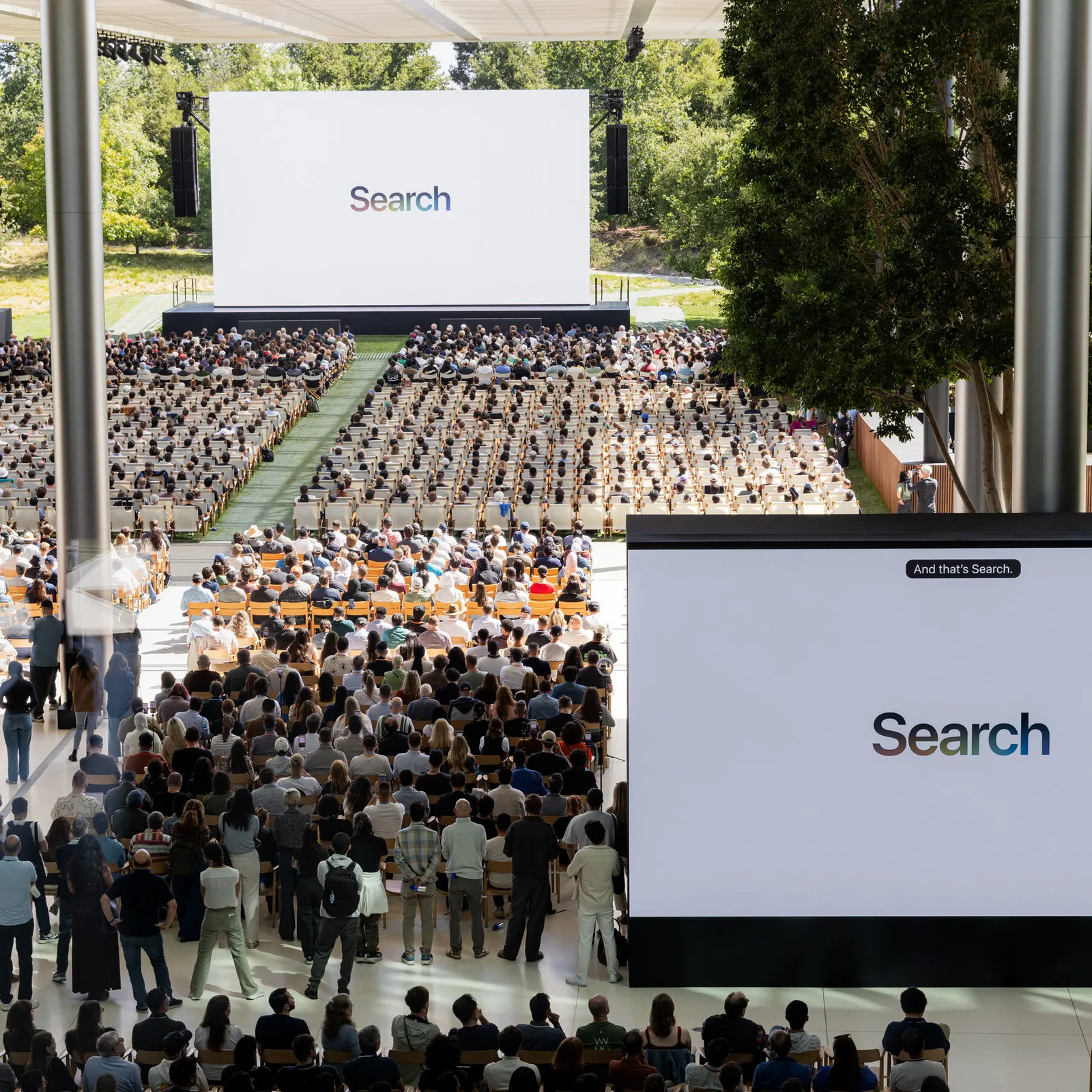
Apple revealed new artificial intelligence products at its developer conference, the last with Tim Cook as chief executive. For decision-makers, the timing makes the Siri push a strategic handoff moment, not just a feature reveal.
Apple revealed a new artificial intelligence-powered version of its Siri digital assistant at its developer conference. The catch, and it matters, is timing: it was the last developer conference with Tim Cook as chief executive.
That combination turns a typical product moment into something closer to a strategic status report. Siri is not just an app, it is a front door to Apple devices and, by extension, to the company’s identity as the interface layer between users and their phones, watches, and services. By unveiling its new A.I. products at that event, Apple is signaling that its next phase of user experience will be built around AI assistance rather than only around existing search, apps, or simple automation.
To understand why leaders should care, remember how incentives line up in consumer tech. Platform companies like Apple typically need three things at once: keep users inside their ecosystem, increase engagement without sacrificing privacy expectations, and do it in a way that defends margins when competitors move fast. AI features that are tied to a personal assistant can raise switching costs because the assistant becomes part of daily routines. If Apple can make Siri more capable and more natural, the company can deepen reliance on Apple devices and services. And if it cannot, it risks giving rivals an opening to reframe the “default assistant” category.
There is also a governance and handoff layer. Developer conferences are where Apple traditionally shows what developers can build toward next. When the conference is explicitly the last one under a longtime CEO, it is easy for markets, internal teams, and the board to interpret the agenda as an effort to lock in direction before leadership transition pressures start to shift attention. Even without new leadership names or timelines in the source, the fact that this was “the last with Tim Cook as chief executive” sets a governance context: boards and management teams rarely want the product roadmap to look like it might drift at a moment of executive change.
AI product rollouts are additionally constrained by regulation and public expectations, even when no specific rules are mentioned in the source. In the United States and Europe, AI features that interact with users can trigger scrutiny around transparency, data handling, and the reliability of systems that produce answers. Apple’s consumer-facing positioning has historically leaned on privacy and on user control, so an A.I.-powered assistant becomes a test case. Decision-makers at other companies should read this as a reminder that the “model capability” race is only half the battle. The other half is trust, because assistant behavior is more personal than a generic chatbot. It is tied to calls, reminders, purchases, and device settings.
For peers, there are second-order implications. First, a Siri upgrade changes the competitive map for voice interfaces and on-device assistance. It can pressure competitors to accelerate assistant improvements, not just in labs but in the product experience. Second, developers will adjust where they invest. If Apple is emphasizing AI-enabled assistant features, developers may prioritize integrations, tools, or experiences that fit inside that flow rather than building parallel experiences that require users to leave the assistant context.
Finally, there is a broader industry signal embedded in the headline. Apple revealed its AI products at a developer conference, which is where platform bets are made legible to the ecosystem. That choice matters because developer adoption tends to compound. If AI becomes a deeper part of Siri, it can pull more apps and workflows into a unified interface layer, strengthening Apple’s ecosystem moat. And because this was the last developer conference with Tim Cook as chief executive, it also reads like a milestone the company wants to complete before the next era begins.
In short, Apple’s A.I.-powered Siri reveal is a product story, but the leadership timing makes it a board and strategy story too. For executives and investors, the practical question is whether this is the start of a sustained assistant transformation or a single showcase feature. Either way, the message is clear: Apple is placing AI at the center of the user experience, and it did it at a moment designed to frame what comes next.
This story's Key Insights and Take-aways are locked.
Create a free account to unlock Executive Actions for one credit.
Register to UnlockAlways free for Executives Club members. Join the Club
More in Technology

OpenAI says 10,000 agents cracked a 90-year math problem in 88 hours
The company's claim is audacious, but one mathematician is pushing back. Here's what it means for AI-driven discovery.
Meta still serves child sexual abuse ads on Instagram in India - BBC report
A new report following the BBC Eye investigation says the ads are still there - what it signals for every platform with a self-serve ad engine.
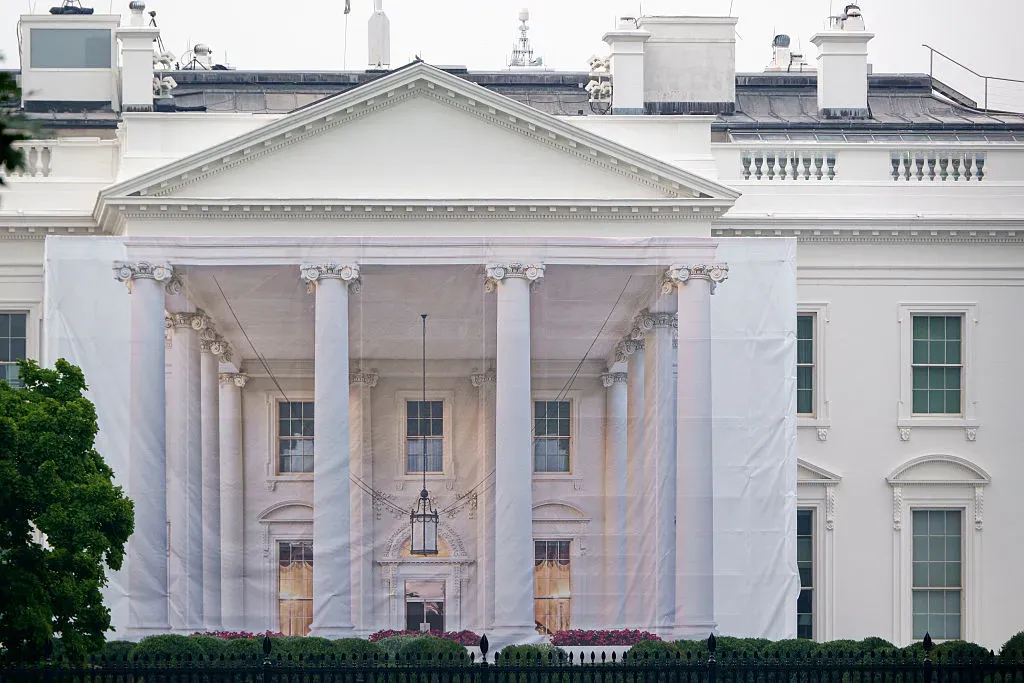
White House yanks 'Build the Wall' game after Tetris Company copyright warning
The administration's arcade game vanished in hours - and the takedown playbook every brand can learn from.