
Army special-ops medics training turns to AI to fit more skills in 9 months
The Joint Special Operations Medical Training Center uses AI performance analytics to shorten the path to mastery, not add months.
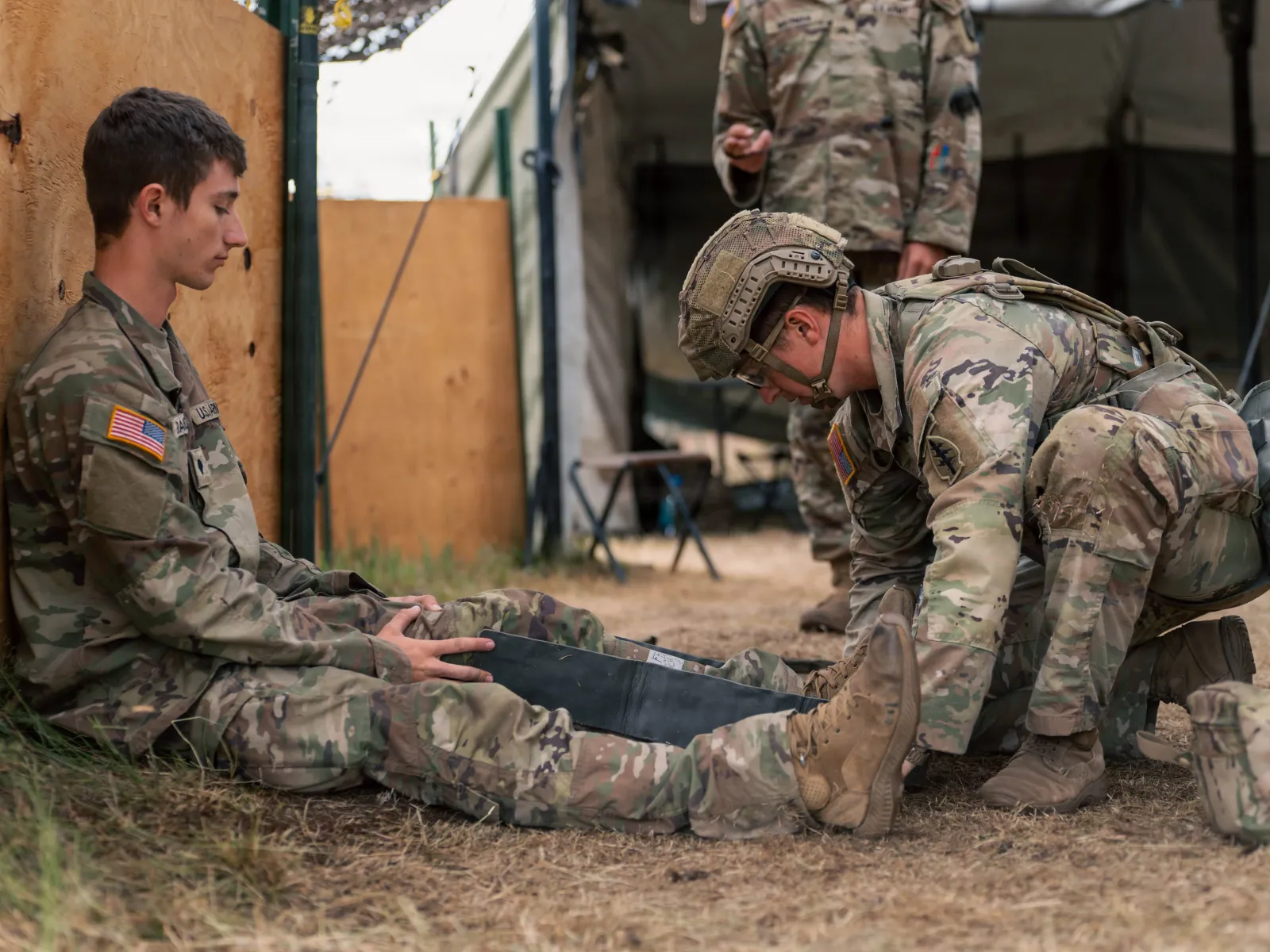
At the Joint Special Operations Medical Training Center, the Army is using AI-assisted analytics to optimize how special-operations medics learn within an almost nine-month course. For decision-makers, it signals a shift from “more training time” to “better training measurement,” with knock-on effects for battlefield-ready medical capability.
The Joint Special Operations Medical Training Center is using AI-assisted analytics to cram more battlefield medic skills into a nearly nine-month pipeline, rather than extending a grueling course. The reason is blunt: instructors “only have so much time with them before we're required to get them onto the force,” as Col. Ken Dwyer, the school’s commander, told Business Insider. In other words, the Army’s problem is not motivation or staffing, it is calendar math.
That AI approach is built around student performance data, including how long students take to master specific skills and how many repetitions they need. Course leaders then decide where to shift classroom hours toward the skills students need most and away from areas where they are mastering faster than expected. The stated goal is “a way for students to learn more and learn faster,” Dwyer said, which frames AI not as a replacement for instructors, but as a system to identify learning bottlenecks and blind spots in real time.
This matters because modern battlefields are changing what “medic readiness” means. The training push is shaped by lessons from Ukraine and the increasing role of drone warfare, which has influenced what special operations medics learn. The school is preparing medical personnel to face complex battlefields where wounded troops may wait hours or even days for evacuation. During the wars in Iraq and Afghanistan, some of those constraints received less attention, and now the Army medical training pipeline is adjusting to reflect that wounded service members may not get quick advanced care.
Course leaders are also responding to the specific training pressure of special operations medicine. Instructors face a major conversion challenge: taking students who often have no prior medical experience and turning them into highly capable paramedics. Graduates are expected to stop catastrophic hemorrhaging, manage wounds that cannot be controlled with a tourniquet, provide a level of basic care for local civilians, and manage the health needs of potentially hundreds of troops off the battlefield as well. The training calendar is tight because students are not only learning medical skills. They also must possess the tactical combat skills expected of special operators, including those joining Rangers and Green Berets, and Navy corpsmen headed to Marine reconnaissance and special operations units.
That “both medical and tactical” requirement is why simply extending the nearly nine-month course is not an option. The school has a premier pipeline for new military medics headed to special operations units, and it also trains senior medics in a separate, four-month Special Forces Medical Sergeant Course focused on a higher degree of clinical care. So the Joint Special Operations Medical Training Center is using AI to optimize the experience inside existing limits, analyzing data over multiple iterations of the intense course to make training adjustments that can compound.
At the center of this effort is the ability to pinpoint exactly where students struggle, and then redirect limited instructional time. Business Insider reports that feeding granular information into a calculator requires tedious data entry from leaders, but that it “gives us back a, 'this is where our blind spots are,'” said the course chief, who spoke on condition of anonymity because of privacy concerns. The key idea is that these insights can emerge only after repeated cycles, when the school has enough performance data to see patterns instead of anecdotes.
The article offers tourniquet training as a straightforward example. Tourniquet skills were central during the Global War on Terror, so students may arrive with more familiarity or be able to master application faster than other forms of care. But the training also needs to cover tourniquet removal in the field, particularly conversions, which must be carefully tracked and timed to avoid serious organ damage. The shift is connected to what Ukraine is showing about prolonged casualty care when evacuation is not an option.
That points to the broader curriculum direction: prolonged casualty care. The source describes it as a growing field meant to keep wounded troops alive when advanced trauma care is out of reach. If data shows students are mastering one skill faster than expected, instructors can reclaim time and devote it to newer priorities, such as infection and medication management, which are part of prolonged casualty care. In this model, the training evolves more quickly because course leaders can refine what they emphasize based on measured learning progress rather than relying on fixed assumptions.
For executives and board-level decision-makers, the second-order implication is that “readiness” is becoming a measurable output. The AI analytics described here are designed to help leaders identify where curriculum emphasis should go, and to do it faster than would have been possible three years earlier, according to the course chief. In other words, the Army is treating training like an optimization problem with constraints: an almost nine-month timeline, zero patience for extra schedule, and high stakes for battlefield medical outcomes. If other defense programs follow this pattern, the competitive advantage may shift toward organizations that can instrument learning, interpret performance data, and iterate training content quickly enough to match evolving threats like drones and delayed evacuation.
This story's Key Insights and Take-aways are locked.
Create a free account to unlock Executive Actions for one credit.
Register to UnlockAlways free for Executives Club members. Join the Club
More in Politics

LA County: DOJ's 20,000 'noncitizen' voter list is 'unreliable,' includes U.S.-born
Preliminary review by Los Angeles County election officials finds errors in the federal list, raising the stakes for voter roll integrity ahead of November.

Trump's $1.5B Pentagon chip investment lands in North Carolina
A $1.5 billion defense infusion for North Carolina chipmaking signals a new era of Pentagon-backed reshoring - here's what it means for the industry.
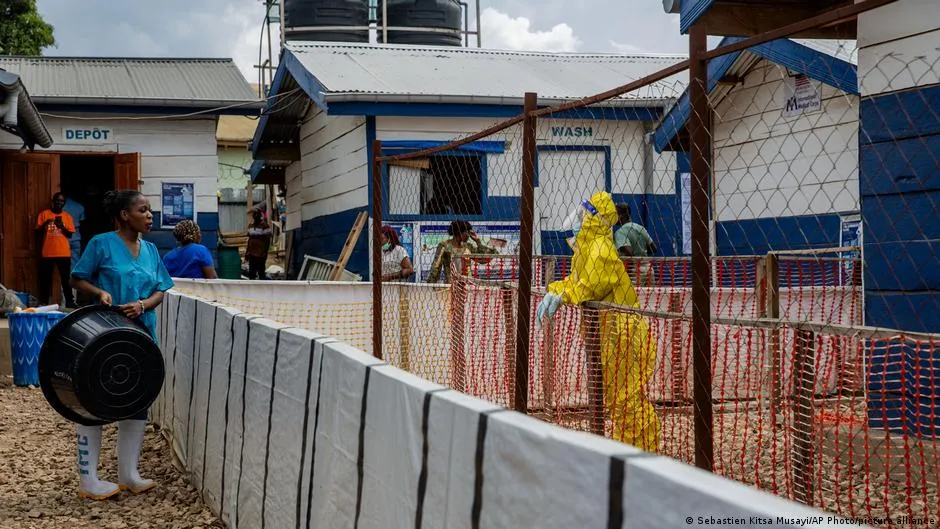
Nigeria confirms first Ebola case in Abuja, a woman just off a Uganda flight
Health Minister Muhammad Ali Pate says the patient flew in from Uganda, putting Africa's latest outbreak on Nigeria's doorstep.