

Asian tech stocks rally as Nvidia's revenue doubles to nearly $100bn
The AI bellwether's blowout quarter soothes markets and pushes oil down, but the real story is what it signals for the next leg of the AI trade.
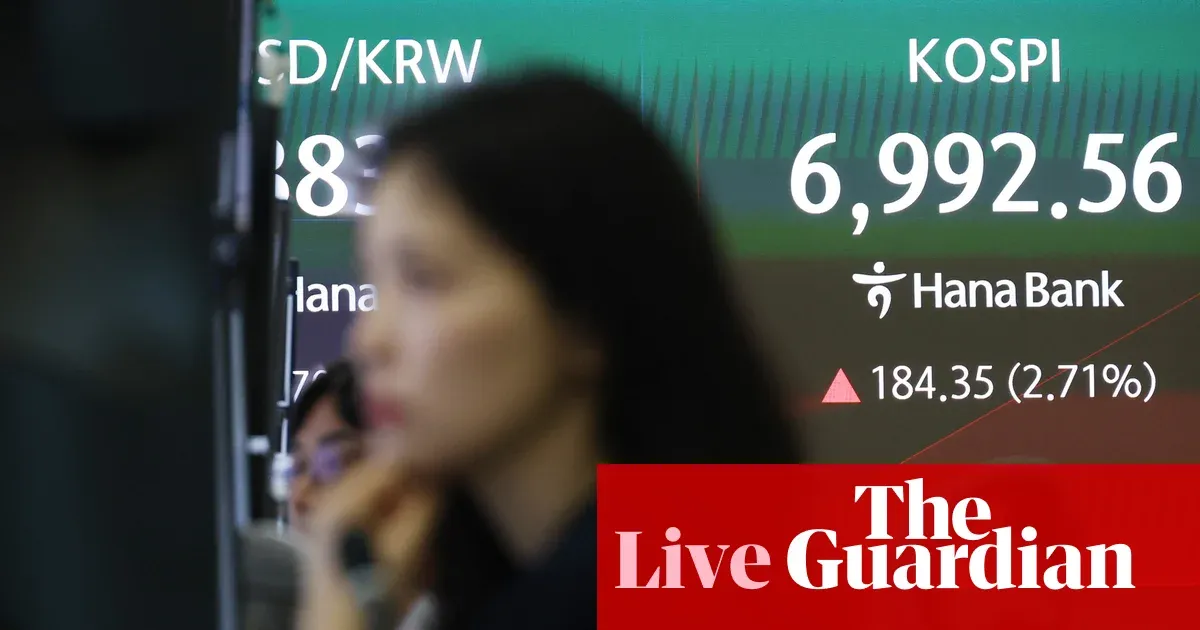
Nvidia reported quarterly revenue that doubled to nearly $100 billion, easing investor anxiety about AI demand. The result lifted Asian technology shares and drew attention to the resilience of the AI trade amid broader geopolitical jitters over the Strait of Hormuz.
Asian technology shares climbed Monday as investors breathed a sigh of relief after Nvidia, the bellwether for AI demand, reported quarterly revenue that doubled to nearly $100 billion. The stunning print, which came in ahead of even the most optimistic forecasts, quelled fears that the artificial intelligence spending boom had peaked, and the optimism rippled through chipmakers and cloud software companies across the region.
For decision-makers watching the AI trade, the numbers carry a clear message: the build-out of AI infrastructure is still accelerating, and the companies that supply the picks-and-shovels are cashing in. Nvidia's revenue doubling is not just a company milestone; it is a proxy for enterprise and hyperscaler spending on AI, and it suggests budgets remain wide open even as interest rates stay elevated. The relief was palpable because Nvidia had been widely viewed as the test that would determine whether the AI trade had legs or was just another bubble. A miss could have triggered a broad selloff; instead, the doubling set a new bar for what AI-driven growth looks like.
The upbeat tech mood came against a fraught geopolitical backdrop. Oil prices slipped even as shipping traffic through the Strait of Hormuz ticked up slightly, despite the ongoing standoff between the US and Iran. Iran and Oman are engaged in talks about how to manage the waterway, a channel through which a significant share of global crude oil flows. Brent crude, the global benchmark, fell as low as $86.22 a barrel in the morning and was last down 0.6 percent at $87.35.
For investors, the oil moves offer a counterweight to the AI rush. A rise in Hormuz traffic, however modest, suggests that the immediate risk of a supply disruption has receded, at least for now. That has helped keep inflation expectations in check, which in turn supports the case for central banks to ease policy later this year. For tech valuation, nothing matters more than the trajectory of interest rates, so the combination of soaring AI earnings and calmer energy prices is a powerful cocktail.
The bigger picture is that Nvidia's results land at a pivotal moment for global markets. With the US presidential election approaching, trade tensions simmering, and the Federal Reserve's next move still uncertain, the AI trade has become the single most important driver of equity returns. Today's Asian rally reflects a market that is choosing to focus on the tailwind rather than the geopolitical distractions. It also demonstrates how a single company's earnings can now move the entire global tech complex, a dynamic that has only intensified over the past year.
For CEOs and CFOs, the Nvidia print is a reminder to keep a close eye on the AI supply chain. The company's growth flows directly into demand for memory chips, power infrastructure, and data center capacity. Companies that positioned themselves as AI-adjacent are likely to see a halo effect, while those that are still waiting on the sidelines may find themselves at a growing disadvantage. The quarter also underscores the importance of scenario planning around AI capex; even if Nvidia's growth decelerates in coming quarters, the sheer scale of the current spending cycle suggests that suppliers and partners will be busy for years.
As the day progresses, the key question is whether the rally can hold. Oil prices have stabilized, Asian shares are bid, and the mood is one of cautious optimism. But the same forces that drove this move - a single company's blowout quarter - can unwind quickly if the next data point disappoints. For now, executives and investors can take a moment to exhale, but the AI trade remains a high-stakes bet on a future that is being written in real time. The intersection of booming tech earnings, geopolitical maneuvering in the Persian Gulf, and the Federal Reserve's next move will keep markets on edge, but today belongs to the optimists.
This story's Key Insights and Take-aways are locked.
Create a free account to unlock Executive Actions for one credit.
Register to UnlockAlways free for Executives Club members. Join the Club
More in Business
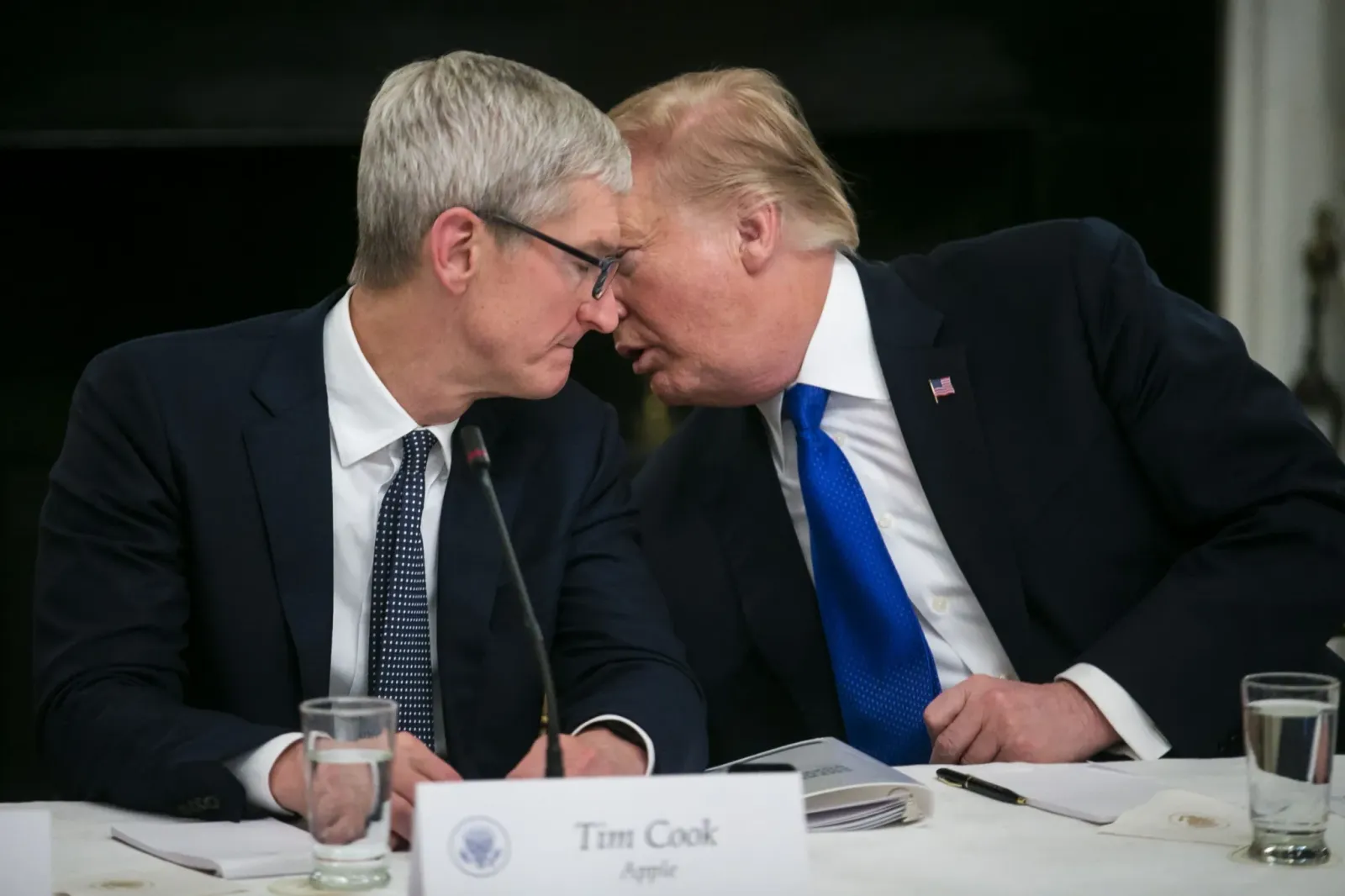
Tim Cook steps down as Apple CEO, stays on as chair with $45M equity
The 'Trump whisperer' keeps his White House and Beijing access as Apple navigates tariffs and a $4.6 trillion market cap.

Snowflake shares surge as AI data demand crushes estimates, lifting full-year forecast
Stocks jumped on stronger-than-expected guidance, signaling enterprise AI workloads are accelerating faster than Wall Street priced in.
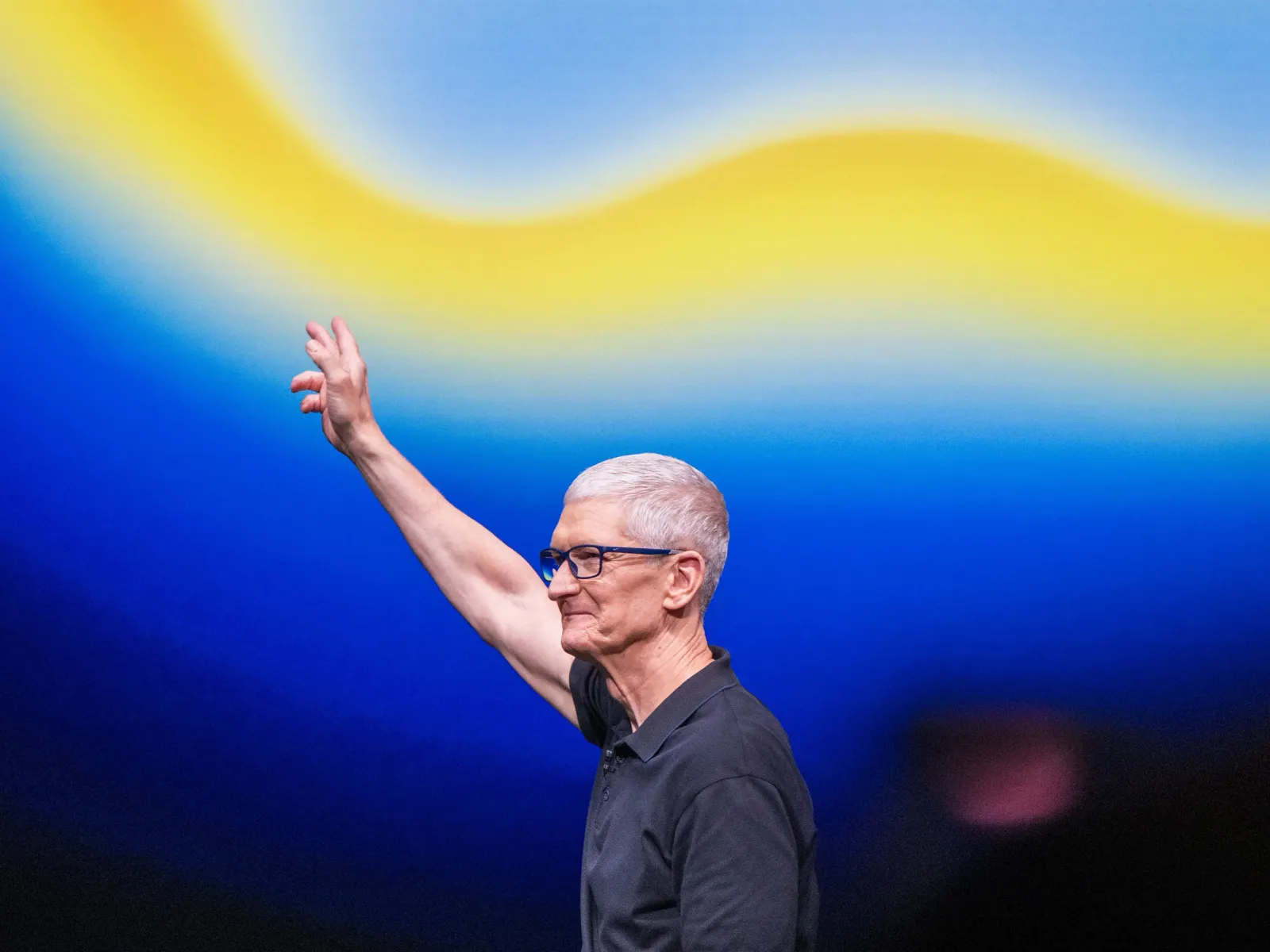
Tim Cook's 15-year Apple CEO run ends: 3 lessons for any successor
After 15 years, Tim Cook hands Apple to John Ternus - here's how he turned a $350B company into a $4.6T juggernaut.