
At least 8 killed at Gaza funeral as Israel says it hit an Islamic Jihad cell
Israel frames the strike as counterterrorism while Palestinian officials say fatalities occurred during a funeral gathering.
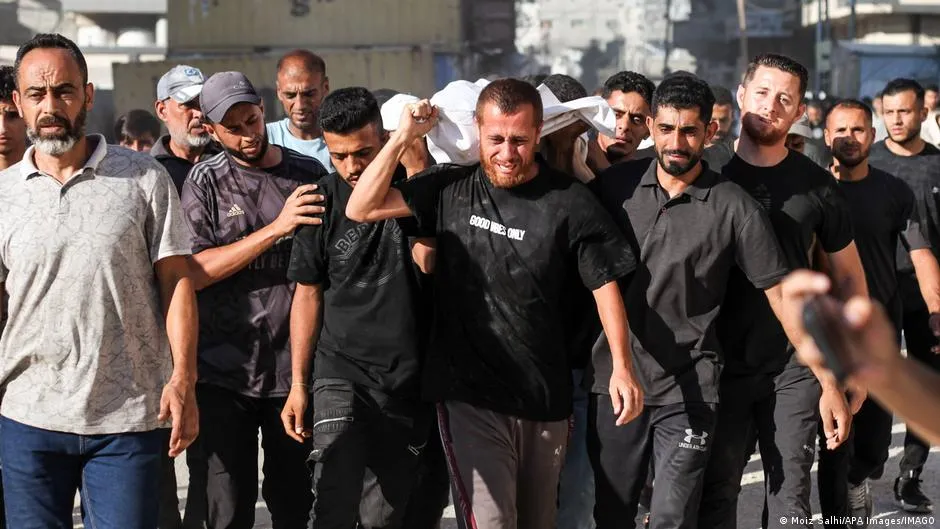
Palestinian health and civil defense officials said at least eight people were killed while attending a funeral in Gaza. Israel's military said it struck a terrorist cell linked to the Islamic Jihad militant group.
At least eight people were killed in Gaza while attending a funeral, according to Palestinian health and civil defense officials. The incident centers on a single claim with two competing frames: what looks, on the ground, like a funeral gathering, and what Israel’s military says was an operation targeting a militant network.
Israel’s military said it struck a “terrorist cell” from the Islamic Jihad militant group. That statement matters because it is not just a description of intent, it is the entire legal and political posture for the strike: Israel is signaling that the target was part of an armed organization, not civilians at random, and that the action fits within its counterterrorism narrative.
For decision-makers watching conflicts, this is the kind of moment where words can shift outcomes. In many modern crises, there is a gap between what is reported locally and what is released by military authorities. That gap often becomes its own battlefield, because it influences how courts, regulators, international bodies, and financial actors interpret risk. When a strike happens during a funeral, the details of timing and location become emotionally charged and politically actionable, which can intensify scrutiny from external observers.
If you zoom out, the Islamic Jihad militant group reference is a reminder of how these organizations are embedded in ongoing cycles of violence. Israel’s framing suggests the strike was aimed at a cell, meaning a smaller operational unit rather than a headline-grabbing leadership target. In counterterrorism practice, “cell” language is often used to describe decentralized networks, where planners, facilitators, and operatives may be connected through specific roles rather than centralized command. That can change how defenders justify proportionality and how opponents argue that civilian harm was foreseeable or unavoidable.
Meanwhile, the Palestinian officials’ account points to the human cost occurring in a public, communal setting. Health and civil defense statements carry a particular weight in these narratives because they are closely tied to on-the-ground casualty documentation. The key operational question for anyone trying to understand what happened is whether the funeral location was legitimately associated with the targeted cell or whether the gathering was incidental collateral to an armed presence nearby. The source text does not resolve that dispute, but the conflict dynamics ensure the dispute will matter.
There is also a second-order consequence that often surprises executives and boards outside the security space: reputational and compliance risk can escalate quickly after casualty events, even when the facts remain contested. Companies with operations, investors, or exposure to regions affected by conflict can face pressure from regulators and counterparties to demonstrate that they are monitoring developments and managing obligations responsibly. When parties trade competing claims like “terrorist cell” versus “funeral gathering,” the ambiguity can raise compliance overhead, because due diligence becomes harder and stakeholder expectations rise.
Strategically, this incident reinforces a grim pattern for any organization or leader tracking geopolitics for risk. When military statements attribute strikes to specific militant groups such as Islamic Jihad, that attribution tends to harden future expectations on both sides. It can raise the likelihood of retaliatory messaging, increase volatility in public sentiment, and sustain the operational tempo that drives more incidents like this. Even for those not directly involved, the direction of travel is clear: disputes over targeting, casualty counts, and intent do not stay local. They spill into international attention, policy debate, and market risk assessments.
For executives and investors, the takeaway is less about predicting outcomes and more about managing how you interpret uncertainty. In conflicts where the official narrative hinges on targeting claims and local accounts highlight civilian casualties, the strongest organizations build processes that can operate under contested information. That includes stress-testing communications, tightening monitoring of credible sources, and ensuring the board has a clear view of how geopolitical events translate into legal exposure, stakeholder pressure, and operational continuity.
This story's Key Insights and Take-aways are locked.
Create a free account to unlock Executive Actions for one credit.
Register to UnlockAlways free for Executives Club members. Join the Club
More in Politics
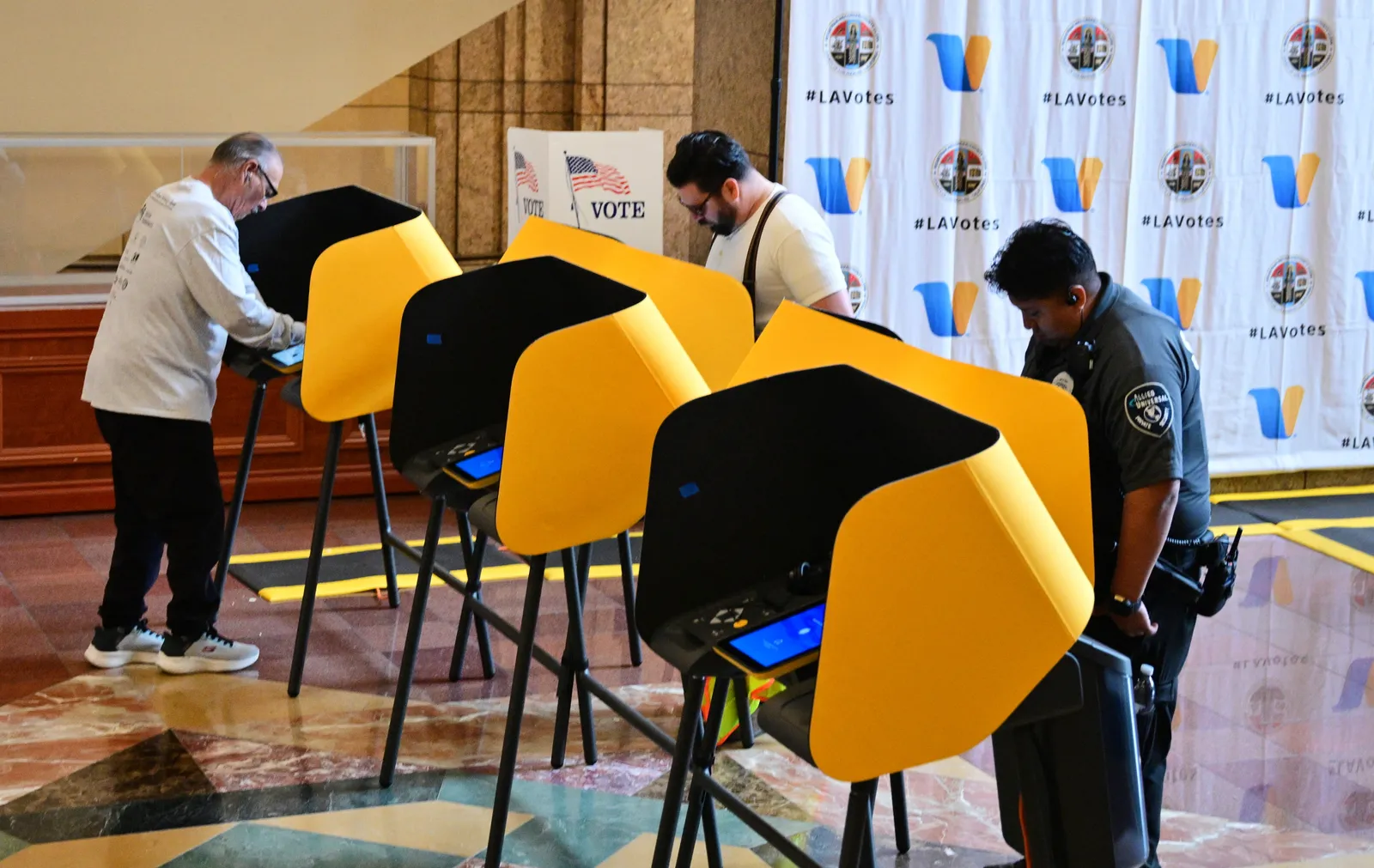
LA County: DOJ's 20,000 'noncitizen' voter list is 'unreliable,' includes U.S.-born
Preliminary review by Los Angeles County election officials finds errors in the federal list, raising the stakes for voter roll integrity ahead of November.

Trump's $1.5B Pentagon chip investment lands in North Carolina
A $1.5 billion defense infusion for North Carolina chipmaking signals a new era of Pentagon-backed reshoring - here's what it means for the industry.
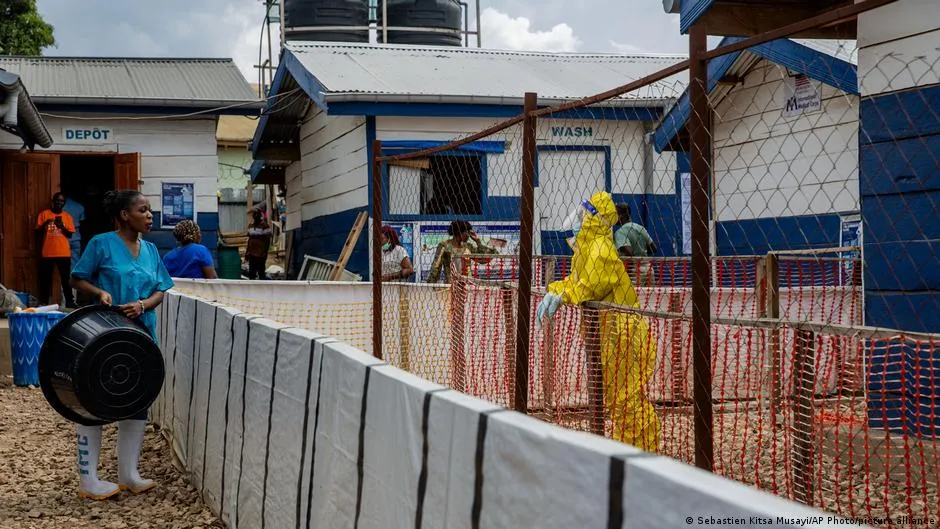
Nigeria confirms first Ebola case in Abuja, a woman just off a Uganda flight
Health Minister Muhammad Ali Pate says the patient flew in from Uganda, putting Africa's latest outbreak on Nigeria's doorstep.