
Bank of England's Bailey Warns AI Could Spark Global Downturn
The central bank chief also flagged energy price volatility from the US-Iran conflict as a compounding risk for the world economy.
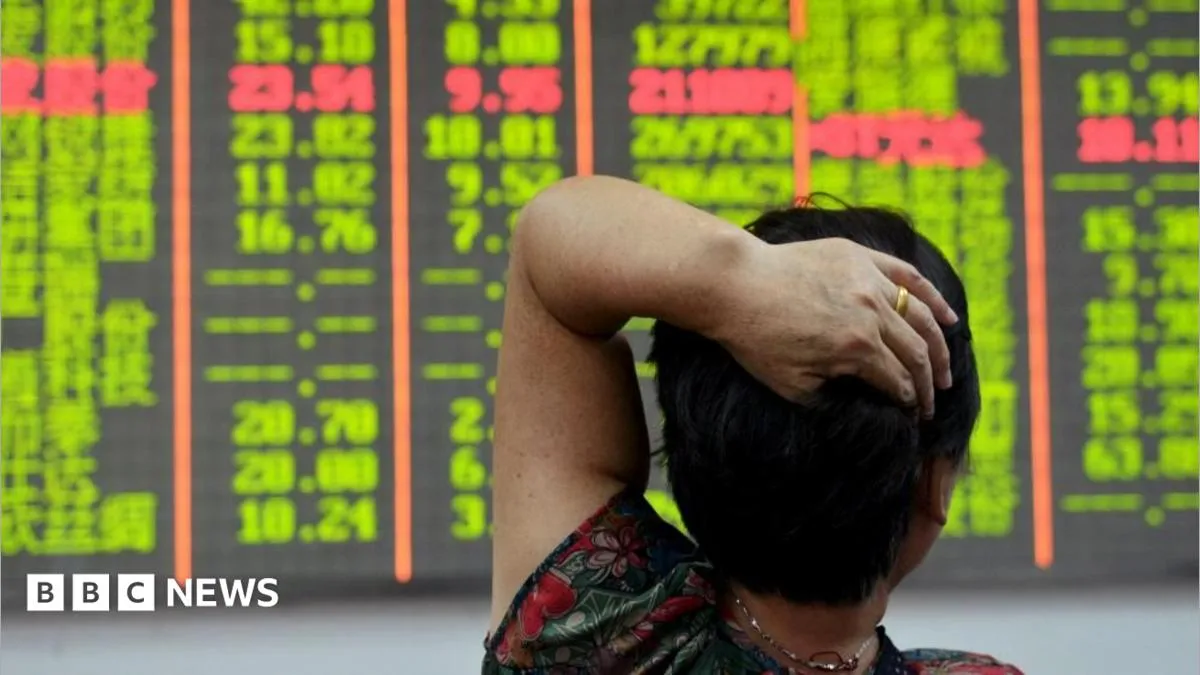
Bank of England Governor Andrew Bailey warned G20 leaders that artificial intelligence could trigger a global economic downturn, while also citing energy shocks from the US-Iran war as a source of volatility. The warning underscores the need for businesses and policymakers to prepare for overlapping risks from technology and geopolitics.
Bank of England Governor Andrew Bailey has issued a stark warning to G20 leaders: artificial intelligence could cause a global economic downturn. Speaking at a G20 meeting, Bailey also pointed to energy price volatility stemming from the US-Iran conflict as an additional threat to financial stability. The dual warnings highlight the fragile state of the world economy as it grapples with technological disruption and geopolitical tensions.
Bailey's concerns about AI are not unfounded. The rapid adoption of AI across industries has the potential to displace millions of workers, reshape entire sectors, and create asset bubbles in financial markets. Central banks have been increasingly vocal about the risks, with some warning that AI could amplify existing inequalities and lead to social unrest. While AI also offers significant productivity gains, the transition could be bumpy, especially if it happens faster than societies can adapt.
The energy shock from the US-Iran conflict adds another layer of complexity. Any disruption to oil supplies from the Middle East could send prices soaring, feeding inflation and slowing economic growth. Bailey reportedly linked these energy shocks to the "volatility" that could exacerbate the impact of AI-driven changes. For an economy already struggling with high interest rates and sluggish growth, a combination of technological disruption and energy price spikes could prove toxic.
For businesses, the implications are clear: they must prepare for a world where both AI and energy costs are unpredictable. Companies should stress-test their supply chains, invest in workforce retraining, and consider how AI might disrupt their business models. Boards that ignore these risks do so at their own peril, as the pace of change is accelerating.
Policymakers, meanwhile, face a delicate balancing act. They need to foster innovation while protecting workers and ensuring financial stability. This may require new regulations for AI, as well as social safety nets to support those displaced by automation. International coordination, as seen at the G20, will be crucial to avoid a race to the bottom and to manage the global fallout.
For investors, Bailey's warning is a reminder to diversify. AI-related stocks have soared, but a downturn could be sharp. Energy prices are also a wildcard, with geopolitical events capable of triggering sudden swings. A portfolio that is heavily exposed to either sector could suffer. Similarly, workers should consider upskilling to remain relevant in an AI-driven economy, while consumers should brace for potential price increases if energy costs rise.
Ultimately, Bailey's message is not one of doom, but of caution. The world has weathered technological revolutions and geopolitical crises before. However, the convergence of these two forces, at a time when global debt levels are high and growth is fragile, makes the current moment particularly risky. The G20's response will be critical in determining whether the world can navigate these challenges without a major economic downturn.
This story's Key Insights and Take-aways are locked.
Create a free account to unlock Executive Actions for one credit.
Register to UnlockAlways free for Executives Club members. Join the Club
More in Business
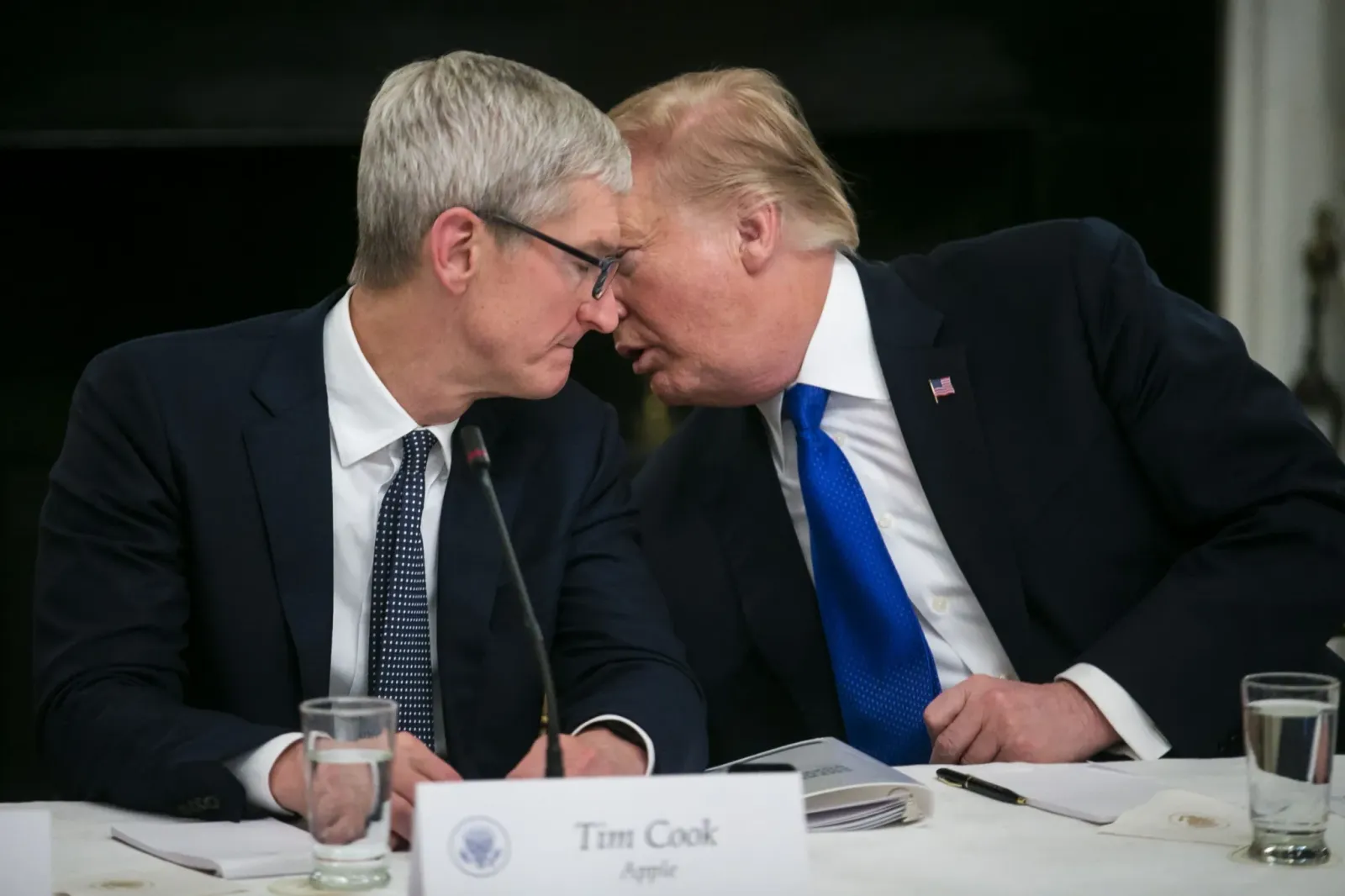
Tim Cook steps down as Apple CEO, stays on as chair with $45M equity
The 'Trump whisperer' keeps his White House and Beijing access as Apple navigates tariffs and a $4.6 trillion market cap.

Snowflake shares surge as AI data demand crushes estimates, lifting full-year forecast
Stocks jumped on stronger-than-expected guidance, signaling enterprise AI workloads are accelerating faster than Wall Street priced in.
Tim Cook's 15-year Apple CEO run ends: 3 lessons for any successor
After 15 years, Tim Cook hands Apple to John Ternus - here's how he turned a $350B company into a $4.6T juggernaut.