

BDS co-founder: UK must end all Israel trade, sanctions are 'smoke and mirrors'
Omar Barghouti argues Britain's legal duty to prevent genocide in Gaza demands a full trade embargo, not piecemeal sanctions.
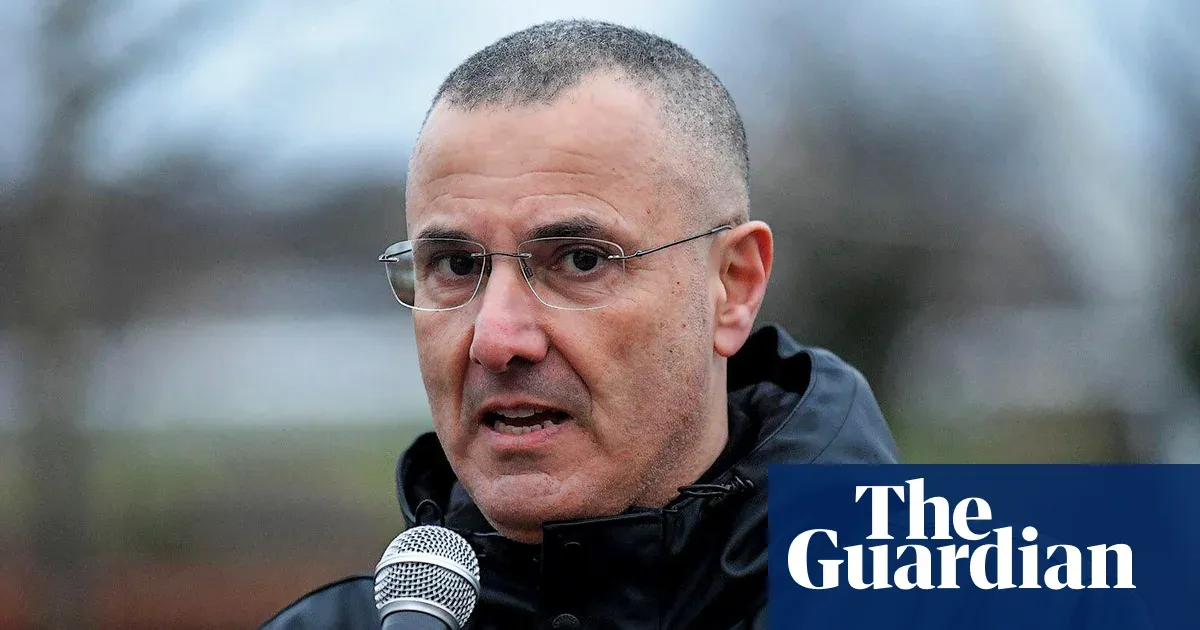
Omar Barghouti, co-founder of the BDS movement, has called on the UK to end all trade with Israel, dismissing sanctions against individual ministers and settler groups as a 'smoke and mirrors cop-out'. The demand escalates pressure on British policymakers to align trade policy with international law obligations regarding Gaza.
Omar Barghouti, co-founder of the Boycott, Divestment, Sanctions (BDS) movement, has issued a stark ultimatum to the UK: end all trade with Israel, not just piecemeal sanctions. In an exclusive interview with The Guardian, Barghouti dismissed sanctions against individual settler groups or extremist ministers as a "smoke and mirrors cop-out and distraction" from Britain's legal obligations under international law. His words land as the UK government faces mounting domestic and international pressure over its stance on Gaza, and they sharpen the choice for policymakers between symbolic gestures and systemic action.
Barghouti argues that the UK's duty to prevent genocide in Gaza requires far more than halting trade with illegal Israeli settlements or imposing further targeted measures. He insists that Britain must end all support for Israel, including arms exports, trade deals, and academic relations that "may directly or indirectly enable Israel's illegal occupation" of Gaza, the West Bank, and East Jerusalem. This is not a suggestion but a legal and ethical imperative, he says, rooted in the Genocide Convention's requirement that states take active steps to prevent genocide once they become aware of a serious risk.
The demand escalates a long-running campaign by the BDS movement, which Barghouti co-founded in 2005. The movement has consistently called for comprehensive economic pressure on Israel until it complies with international law, including ending the occupation and granting full rights to Palestinian citizens. Barghouti's latest remarks sharpen the focus on the UK, a key ally of Israel, and challenge the effectiveness of the British government's current approach, which has leaned on targeted sanctions against individuals rather than broad economic measures.
The UK has faced mounting pressure from human rights groups and legal experts to take stronger action on Gaza. While London has called for ceasefires and expressed concern over civilian casualties, Barghouti argues that such statements are meaningless without concrete economic measures. He specifically criticizes the UK's reliance on targeted sanctions against individuals, which he says fail to address the systemic nature of Israel's occupation and the ongoing violence. By framing these measures as a "cop-out," he is pushing the debate beyond optics and toward structural change.
Under international law, particularly the Genocide Convention, states have an obligation to prevent genocide. Barghouti's argument rests on the premise that the UK's continued trade with Israel, especially in arms, makes it complicit in any potential violations. By continuing to import goods from Israeli settlements and maintain academic partnerships with Israeli institutions, the UK is indirectly supporting the occupation, he contends. This legal framing is not new, but it is gaining traction in courts and parliaments across Europe, where rulings have increasingly questioned the legality of trade with occupied territories.
For businesses and investors, Barghouti's call carries significant implications. If the UK were to adopt a full trade embargo, it would disrupt supply chains, affect companies with exposure to Israeli markets, and force a reevaluation of academic and technological collaborations. Even without a full embargo, the growing political pressure could lead to increased scrutiny of corporate ties to Israel, similar to the divestment campaigns that have targeted fossil fuels and apartheid-era South Africa. Companies that have not yet mapped their indirect exposure to Israeli entities may find themselves caught off guard by shifting public sentiment and regulatory action.
The strategic stakes extend beyond the UK. Barghouti's message is aimed at Western governments generally, urging them to move beyond symbolic gestures. For executives and board members, the takeaway is clear: the political landscape around Israel-Palestine is shifting, and companies that fail to anticipate stricter regulations or consumer boycotts may find themselves exposed. The BDS movement has already influenced corporate decisions, from pension funds divesting from defense contractors to universities cutting ties with Israeli firms, and Barghouti's latest statement signals that the pressure will only intensify.
Ultimately, Barghouti's demand is a test of Britain's commitment to international law and human rights. By framing the issue as a legal obligation rather than a political choice, he raises the cost of inaction. For decision-makers, the question is not whether to respond, but how quickly they can adapt to a world where trade with Israel is increasingly scrutinized. The answer, Barghouti suggests, is to end all trade now, before the courts and public opinion force the issue. For now, the UK government has not responded to his call, but the debate has been set: piecemeal sanctions are no longer enough.
This story's Key Insights and Take-aways are locked.
Create a free account to unlock Executive Actions for one credit.
Register to UnlockAlways free for Executives Club members. Join the Club
More in Business
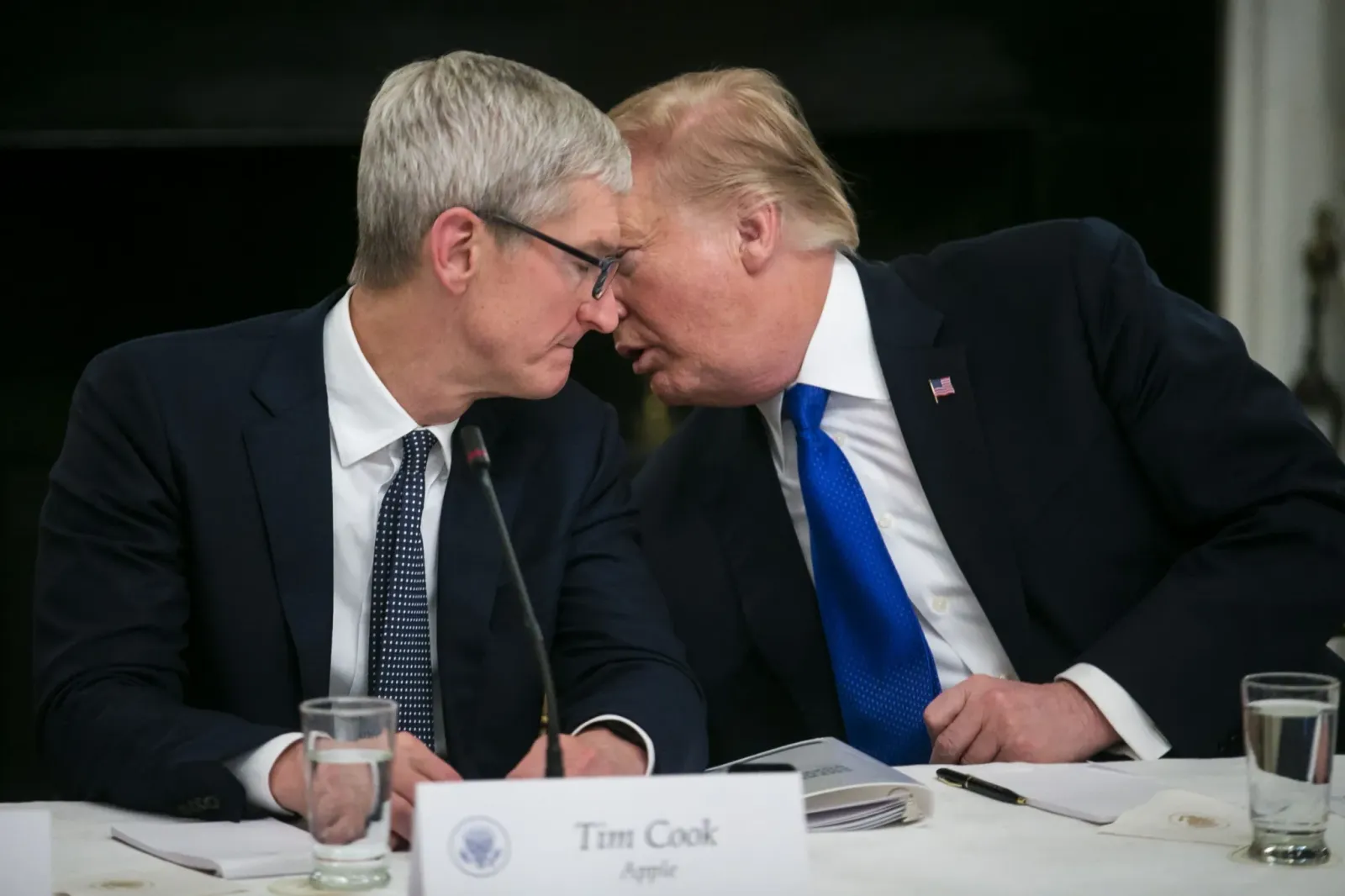
Tim Cook steps down as Apple CEO, stays on as chair with $45M equity
The 'Trump whisperer' keeps his White House and Beijing access as Apple navigates tariffs and a $4.6 trillion market cap.

Snowflake shares surge as AI data demand crushes estimates, lifting full-year forecast
Stocks jumped on stronger-than-expected guidance, signaling enterprise AI workloads are accelerating faster than Wall Street priced in.
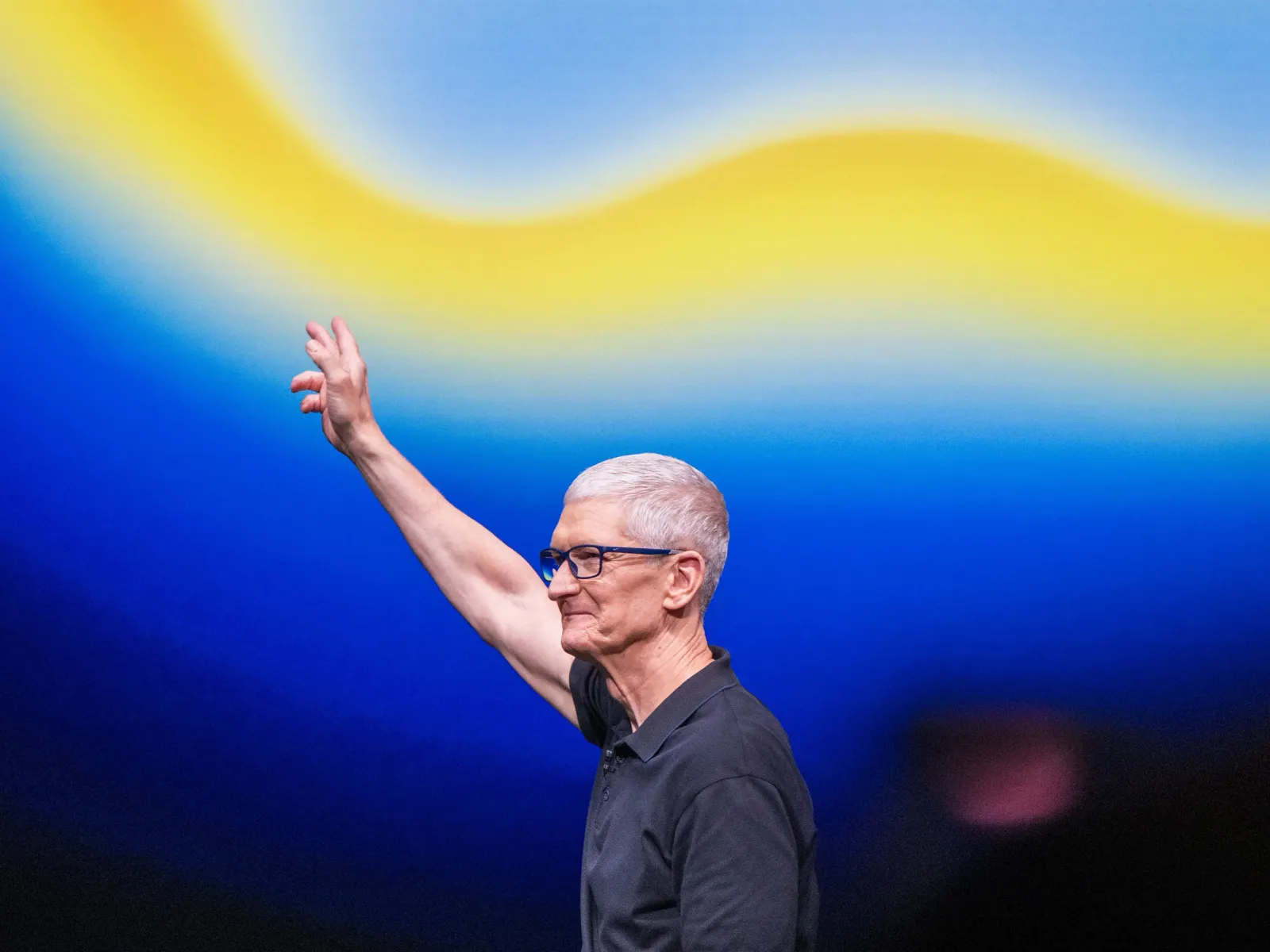
Tim Cook's 15-year Apple CEO run ends: 3 lessons for any successor
After 15 years, Tim Cook hands Apple to John Ternus - here's how he turned a $350B company into a $4.6T juggernaut.