
BenjiBrew resurrects a lost Dragon Ball Z fan RPG from a 2004 backup CD
A seven-year ResetEra thread finally finds Dragon Ball Z - Wish for Immortality, and archive.org hosts it.

BenjiBrew, a new user on the ResetEra forum, re-found the long-lost MS-DOS Dragon Ball Z fan RPG Dragon Ball Z - Wish for Immortality from a 2004 PC backup CD and posted MediaFire links and screenshots. The resurfacing now puts the game on archive.org, anchored in O.H.R.RPG.C.E., a free open-source RPG engine still updated as of January 2026.
If you have ever watched an internet mystery die in place, here is your rare redemption arc. A Dragon Ball Z fan RPG that vanished into obscurity resurfaced after a new user, BenjiBrew, dropped it back into the real world by pulling it from an old backup CD. The game is titled Dragon Ball Z - Wish for Immortality, and the recovery did not happen in a lab or a museum. It happened inside a seven-year-old ResetEra forum thread, where the original poster pikablu started asking about it roughly seven years ago.
The stakes are simple, but surprisingly high for something that looks like a hobby story: the game had been hard enough to find that nobody in the thread could identify it, even with 14 responses. Then BenjiBrew entered the thread and “stumbled across an old backup CD of one of my old PCs from 2004,” found the artifact, and shared a MediaFire link plus screenshots so it would not “vanish into the void again.” Within the same conversation, pikablu confirmed it as the exact match, writing “I've 100% confirmed it is it,” and even described the moment of recognition: “we both lost our collective minds when we found Icebox is in the game!!!” In the thread, Icebox is the game’s name for its equivalent to the Cooler character.
Now zoom out. This is not just a cute internet scavenger hunt. It is a reminder that the hobby computing ecosystem is fragile and dependent on both personal backups and community memory. MS-DOS fan projects from the 1990s era, especially ones that used assets or inspiration closely associated with mainstream releases, are particularly vulnerable to disappearing when a hosting site goes dark, a link dies, or the last person with a copy stops posting. In the source, pikablu initially described the game as using “a lot of sprites from the Super Butōden games,” which are Dragon Ball Z games released for SNES consoles in the '90s. The thread’s long silence is what makes this kind of resurrection matter: it shows how easily niche digital artifacts can become unfindable.
BenjiBrew’s discovery also lands right at the intersection of old tools and modern preservation. The game was built in O.H.R.RPG.C.E., short for Official Hamster Republic Role Playing Game Construction Engine. This matters because O.H.R.RPG.C.E. is described as a free and open-source game creation engine first released in 1997 and most recently updated in January 2026. That “still updated” detail is a loud signal that the underlying tooling has not gone extinct, which makes preservation practical. It is one thing to host a binary file. It is another to ensure there is still a workable path to play it, and in this case the source spells out the route: to play Wish for Immortality, you download the O.H.R.RPG.C.E. client, available through the linked resource in the article, then grab the game itself from the archive.org page.
For decision-makers in tech, media, and platform roles, this story doubles as a policy and governance prompt. Preservation sits in a gray area because fan works often touch copyrighted characters, sprites, or other copyrighted assets. The source does not litigate legality or present a regulatory ruling. But it does show the reality boards sometimes forget: when a community preserves a piece of software, it often preserves a workflow as much as content. That workflow includes an engine, a client, screenshots, and instructions for download and execution. If a platform or preservation hub decides what to keep, the question quickly becomes operational: can it keep not just the artifact but also the context needed to run it.
There is also a second-order implication for anyone funding platforms, communities, or developer ecosystems. This resurfaces because somebody kept a backup CD from 2004 and later noticed it while searching. That is an incentive problem as much as a technical one. The article even compares this to other personal digital losses, noting that the writer has “played countless throwaway DOS games as a child” and struggled to identify and find some later. In other words, the difference between “lost forever” and “found again” can be a single person’s storage habits colliding with a forum thread that stayed alive long enough for the right person to show up.
The article’s closing moral is basically the meta-lesson for operators: if you cannot find anything, post something. That might sound like motivational poster energy, but it is grounded in what happened here. A seven-year-old thread existed. It gathered 14 responses. It kept the question alive. Then BenjiBrew arrived, added the missing object, and the community instantly aligned around confirmation when pikablu recognized the Icebox moment. Finally, the game has a home on archive.org, where more information is provided. For executives watching digital ecosystems, the strategic takeaway is that “community memory” is a business asset. Sometimes it outperforms formal discovery because it is persistent, distributed, and fueled by personal archives.
So while this story reads like a charming internet reboot, it has real texture for anyone running platforms, building developer tools, or managing digital rights and preservation. The internet did not just entertain. It restored access to a piece of software history, powered by an open-source engine and secured by a combination of old hardware backups and active community threads.
This story's Key Insights and Take-aways are locked.
Create a free account to unlock Executive Actions for one credit.
Register to UnlockAlways free for Executives Club members. Join the Club
More in Entertainment

Commodore’s Christian Simpson restarts the retro PC brand, then launches flip phones
After reviving the Commodore 64 with modern tweaks, Commodore is taking the retro look into flip-phone territory.

Asia Argento wins Locarno’s Life Achievement Award, praised by Giona A. Nazzaro
The Locarno festival honors Asia Argento with a Life Achievement Award, spotlighting her film career risks and reinvention.
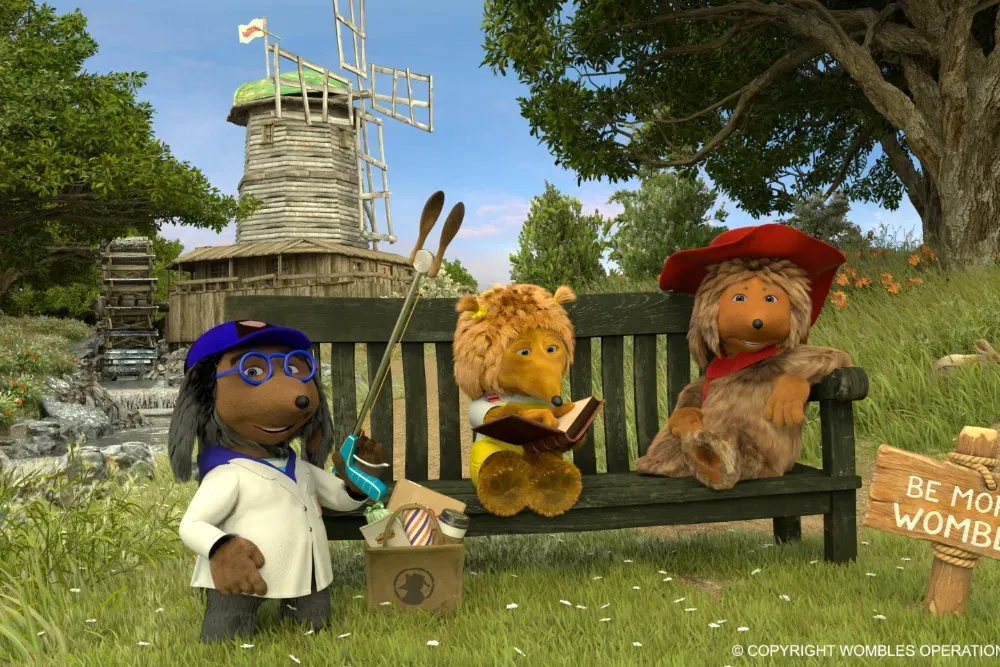
Blair Partnership wins exclusive global role to revive The Wombles franchise
A consolidated IP setup and a new exclusive representative point to fresh movies, TV series, and broader expansion plans.