

Billionaire Druckenmiller: I Used AI to Write My WSJ Op-Ed
The legendary investor says AI now writes everything for him, and he is not embarrassed about it.
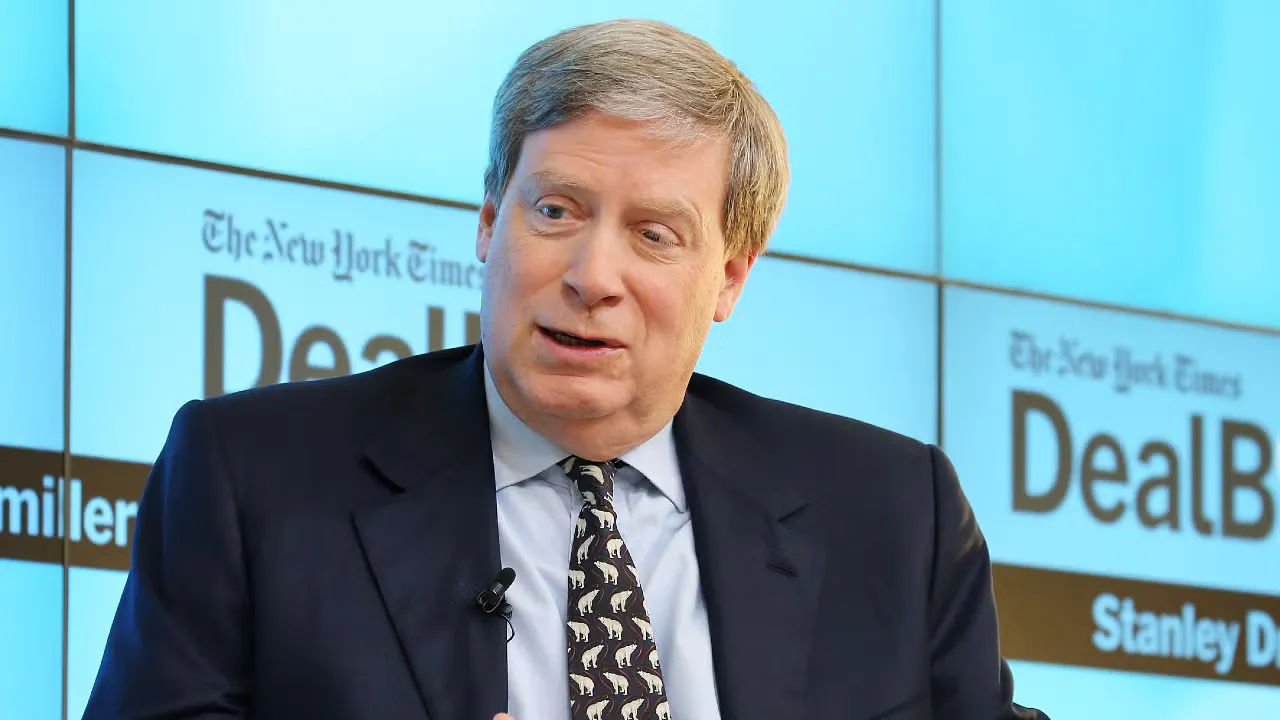
Stanley Druckenmiller, founder of Duquesne Capital, confirmed he used AI to write his Wall Street Journal op-ed on Treasury yields, saying he is not embarrassed. The admission adds a high-profile data point to the debate over AI's role in opinion journalism and executive communications.
Stanley Druckenmiller, the billionaire founder of Duquesne Capital, confirmed on Tuesday that his Wall Street Journal op-ed on Treasury yields was written using artificial intelligence. When asked by NOTUS about the AI detection tool Pangram flagging the piece, Druckenmiller said, "Of course I used AI," adding, "I'm not embarrassed by it." The op-ed, titled "Let the Bond Market Speak," questions Treasury Secretary Scott Bessent's interventionist methods to manage U.S. Treasury yields. Druckenmiller, who has been described as a mentor to Bessent, said he rejected many AI suggestions during the creation of the piece, pushing back on claims that "the whole thing" was written by AI. "I don't know why this is relevant," he told NOTUS. "My name is on the piece. It's my message." The admission is a striking one from a legendary investor known for his macroeconomic acumen, and it lands at a moment when AI's role in journalism and public communications is under intense scrutiny. Druckenmiller framed his use of AI as a natural extension of his workflow, saying, "I write everything using AI now for the same reason I use a calculator when I do math problems." The comment is a window into how a top-tier investor thinks about AI: as a tool for efficiency, not a replacement for judgment. The op-ed itself is a direct challenge to Bessent's approach to managing Treasury yields, a topic that has become a flashpoint in Washington as the Trump administration pushes for lower rates. Druckenmiller's willingness to publicly embrace AI in his writing is notable because it comes from a figure who has spent decades building a reputation for independent, sharp analysis. It also raises questions about how much of the thinking behind the op-ed was his own, a question Druckenmiller dismissed by pointing to the byline. "My name is on the piece. It's my message," he said, drawing a line between authorship and the tools used to produce the text. The controversy echoes recent incidents that have put AI-generated or AI-assisted writing under a microscope. In March, the New York Times cut ties with freelancer Alex Preston after his book review of Jean-Baptiste Andrea's "Watching Over Her" was found to have incorporated elements of a review of the same book published by The Guardian. Preston confirmed he had used an AI tool to help draft the review and said he had failed to catch the Guardian's elements before submission. The Times launched an internal review of his work. Popular YouTuber and author Hank Green also faced backlash this year after fans accused him of reading from an AI-generated script in a video about human language. Green denied that particular claim but admitted to using AI in his research. He later posted a lengthy Reddit response and announced he would slow production on his channels, assuring viewers that no part of his video scripts will ever be written, edited, or outlined by an AI model, and that he will not use AI-generated images or music. Harvard professor Ricardo Hausmann published a column in the Financial Times earlier this month about President Trump's tariff strategies. After publication, the FT added a note saying AI was used to condense a longer draft of the column prior to submission, and that the FT's editorial code of conduct specifically prohibits the use of AI in the writing process. Druckenmiller's case is different in a key way: he is not a journalist, and he is not bound by a newsroom's editorial code. He is a public figure with a platform, and he is using AI to amplify his voice. For executives and founders, the episode is a useful case study in the evolving norms around AI-assisted communication. The Wall Street Journal has not commented on the op-ed, and it is unclear whether the paper's editorial standards address AI use by outside contributors. The broader takeaway is that AI is now firmly embedded in the workflows of even the most sophisticated operators, and the debate is shifting from whether to use it to how to disclose it. Druckenmiller's confidence in his own judgment, and his willingness to say so publicly, may become a template for other leaders who are quietly using AI to draft statements, memos, and even opinion pieces. The risk, as the FT's note and the NYT's internal review show, is that institutions are still drawing the line on what is acceptable. For now, Druckenmiller has drawn his own line: the message is his, and the tool is just a tool. The episode also highlights a generational shift in how authority is established. A byline used to signal that a person wrote every word. Now, it may signal that a person approved the words, whether they were drafted by a human, an AI, or a combination of both. That shift has implications for how readers evaluate opinion pieces, how editors vet submissions, and how leaders communicate with their stakeholders. Druckenmiller's admission is a reminder that the conversation about AI is no longer theoretical. It is happening in the pages of the Wall Street Journal, in the inboxes of editors, and in the workflows of the people who run the world's capital. The question is no longer whether AI will be used, but who will be transparent about it.
This story's Key Insights and Take-aways are locked.
Create a free account to unlock Executive Actions for one credit.
Register to UnlockAlways free for Executives Club members. Join the Club
More in Business
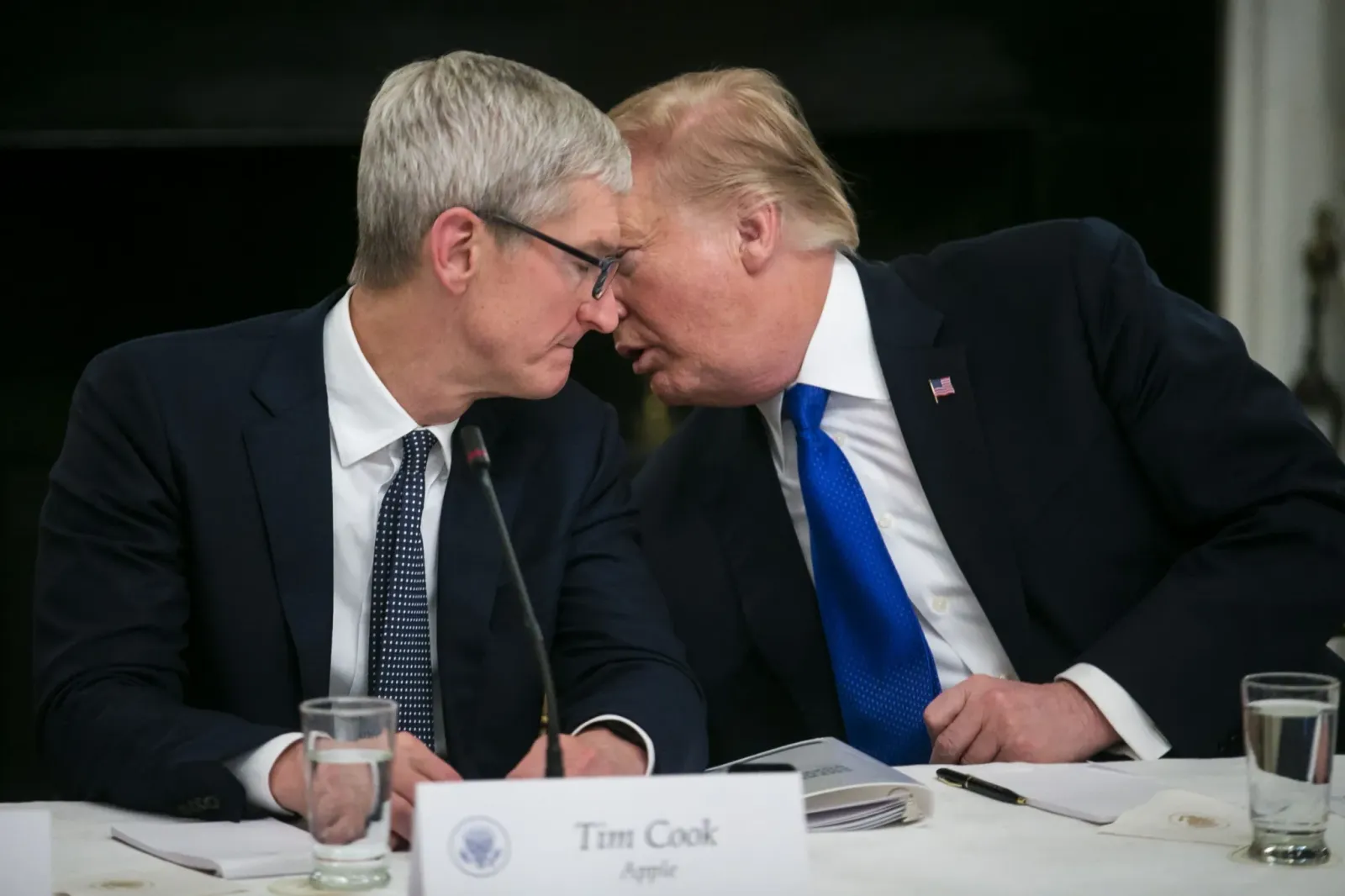
Tim Cook steps down as Apple CEO, stays on as chair with $45M equity
The 'Trump whisperer' keeps his White House and Beijing access as Apple navigates tariffs and a $4.6 trillion market cap.

Snowflake shares surge as AI data demand crushes estimates, lifting full-year forecast
Stocks jumped on stronger-than-expected guidance, signaling enterprise AI workloads are accelerating faster than Wall Street priced in.
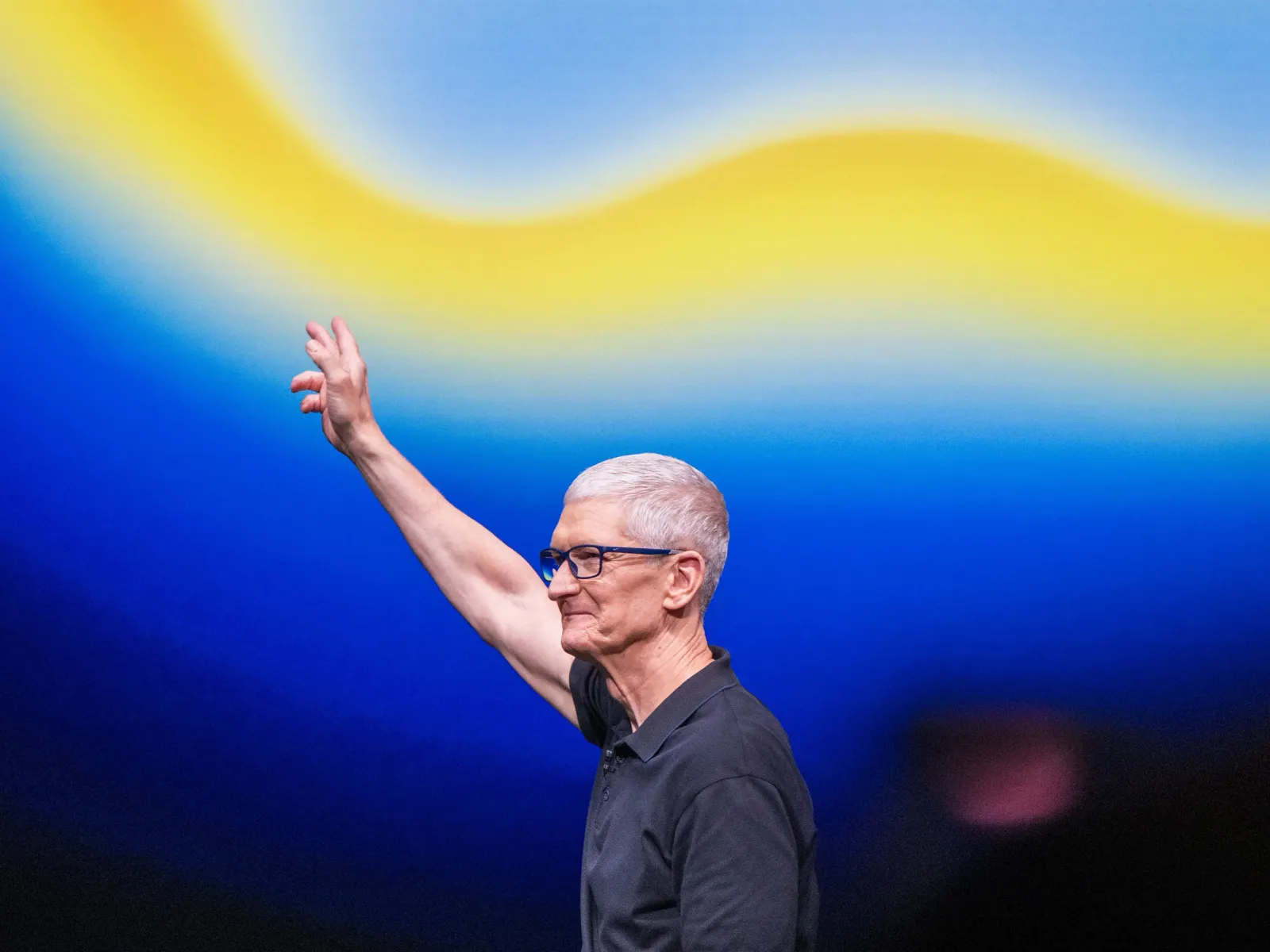
Tim Cook's 15-year Apple CEO run ends: 3 lessons for any successor
After 15 years, Tim Cook hands Apple to John Ternus - here's how he turned a $350B company into a $4.6T juggernaut.