
Bob Iger defends pulling Jimmy Kimmel off Disney air, even as FCC reviews ABC licenses
Disney shareholders called it political; nine months later, Iger says it was “bad taste,” and the fallout isn’t done.
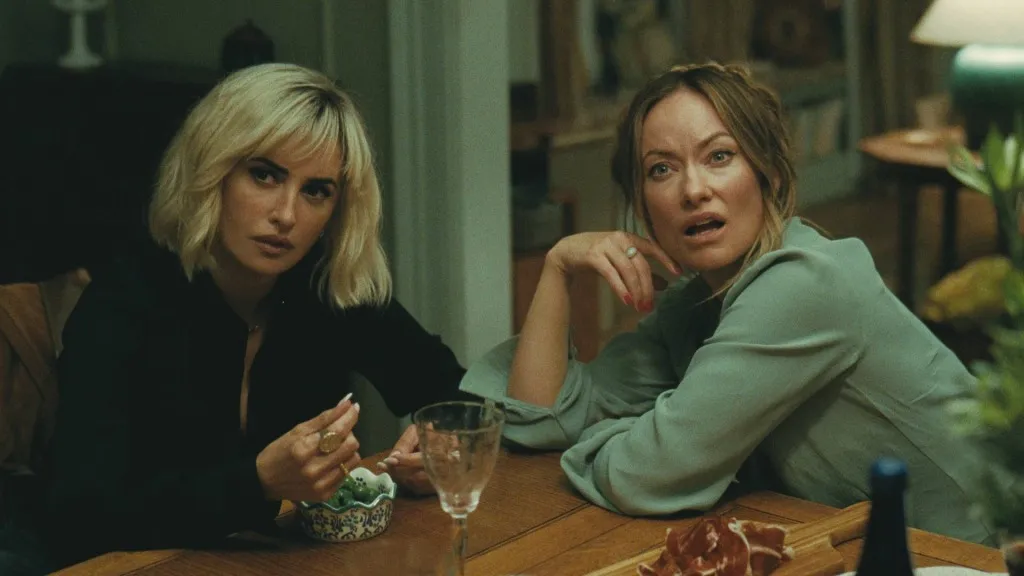
Bob Iger, no longer Disney CEO, defended in a Financial Times interview the September 2025 decision to pull Jimmy Kimmel Live! from the air after Kimmel accused the political right of capitalizing on Charlie Kirk’s murder. The board’s move faces continuing reputational and regulatory pressure, with the FCC reviewing ABC’s broadcasting licenses early.
In September 2025, Disney pulled Jimmy Kimmel Live! off the air for several nights after Jimmy Kimmel accused the political right of capitalizing on the murder of Charlie Kirk. Nine months later, Bob Iger, who is not the CEO anymore, is still defending that choice, telling the Financial Times, “That was not the case,” and arguing Disney did it because “We thought it was in bad taste,” adding, “We just wanted him to acknowledge that it was an ill-timed and probably inappropriate comment.”
That defense matters because Disney is no longer living in the headline bubble. The Financial Times reported widespread condemnation, including from Disney shareholders who argued the company’s board broke its duty to investors by focusing on “improper political and affiliate considerations” when it chose to pull the show. And the regulatory clock is still ticking: the source notes that the FCC is reviewing ABC’s broadcasting licenses early. For executives and boards, this is the uncomfortable part of “we anticipated needing to do it,” because saying it was about tone and timing does not fully stop the consequences from becoming about governance, legal exposure, and oversight risk.
To understand why Iger is doubling down, look at the internal logic Disney leaders were acting under. The source says that Disney “did exactly what those in the Trump administration wanted him to do,” but Iger denies the move was political. In the same interview, Iger supports Disney’s later refusal to cave when Kimmel faced another wave of calls for cancellation, this time for an ill-timed-if-you-squint joke ahead of the White House Correspondents’ Dinner in April. After Iger handed the reins to new CEO Josh D’Amaro, the source says Disney refused to cave, and Iger frames that stance as a plan that was “anticipated” being necessary if government threats became action. The follow-through is the piece boards really worry about: once a company treats regulatory pressure like a negotiation, it can also teach regulators that escalation works.
There’s another layer here, and it is not just politics versus principle. The source says Disney also faced lawsuits and fired critical ABC News correspondents in connection with the air-pull and the broader controversy. That combination matters because it moves the case from “content decision” into “institutional trust.” Shareholders calling it a breach of duty to investors based on “improper political and affiliate considerations” is the kind of wording that reads like a lawsuit draft. And when the FCC starts reviewing licenses early, it signals that the issue is not only about what was on TV, but about what the corporate machine did in response.
For decision-makers, the practical question becomes: what governance does the board think it is doing when it makes content moves under pressure? A cable or streaming brand can often adjust lineups with fewer regulatory stakes. But broadcasters are entangled with licensing, compliance expectations, and scrutiny that can turn “temporary” programming decisions into long-tail risk. The source notes that the late-night host sort of offered what the article describes as an “I get why you’re upset” style response, rather than a full apology, and that Disney still acted. That detail is a reminder that “apology language” is not a universal off-ramp in media governance.
Now consider what boards at other media companies should take from this. Disney has publicly landed in the crosshairs of both shareholder optics and regulator attention. Iger’s framing is clear: the justification is taste, not ideology. But for observers inside the industry, the second-order takeaway is how fast a controversy can convert into licensing uncertainty, and how hard it is to reverse once it becomes an institutional story.
At the same time, this isn’t the only screen-related headline with momentum behind it. Netflix is remaking anime again, and this time it is doing it with a plan aimed at scale without the sprawl. The source reports that Netflix and WIT Studio are adapting One Piece, with modernized animation aligned to creator Eiichiro Oda’s original manga, and with a shorter first-season format: seven 40-minute episodes tackling the first 50 manga chapters, all dropping at once. It is set to debut February 2027. Meanwhile, the source says BritBox will air a three-part Christmas special for The Other Bennet Sister, shooting this summer in Wales, with star Ella Bruccoleri returning as Mary and Bad Wolf CEO Jane Tranter saying the specials explore what happens after “the wedding bells fade and real life begins.” In other words, while regulators and shareholders debate what should be broadcast and why, streamers and niche platforms are still betting on new adaptations, with release strategies built for binge behavior.
Put it together and the stakes for boards are bigger than one late-night host. When Iger says Disney “anticipated needing to do it” if government threats turned into action, that’s a strategic posture. It suggests companies may decide that resisting in one moment is worth it, even if it triggers backlash, litigation, and regulatory review later. The strategic test is whether that posture can survive under scrutiny that is simultaneously legal, financial, and reputational. If you are sitting on a media company board, this is a live case study in how quickly content choices become corporate governance decisions, and how “bad taste” is never just a taste problem once regulators and investors start reading the same file.
This story's Key Insights and Take-aways are locked.
Create a free account to unlock Executive Actions for one credit.
Register to UnlockAlways free for Executives Club members. Join the Club
More in Entertainment

Deltarune Chapter 5 smashes 300,000 Steam peak just minutes after launch
Within minutes, Toby Fox's episodic RPG blows past its own record, changing what “momentum” looks like on Steam.
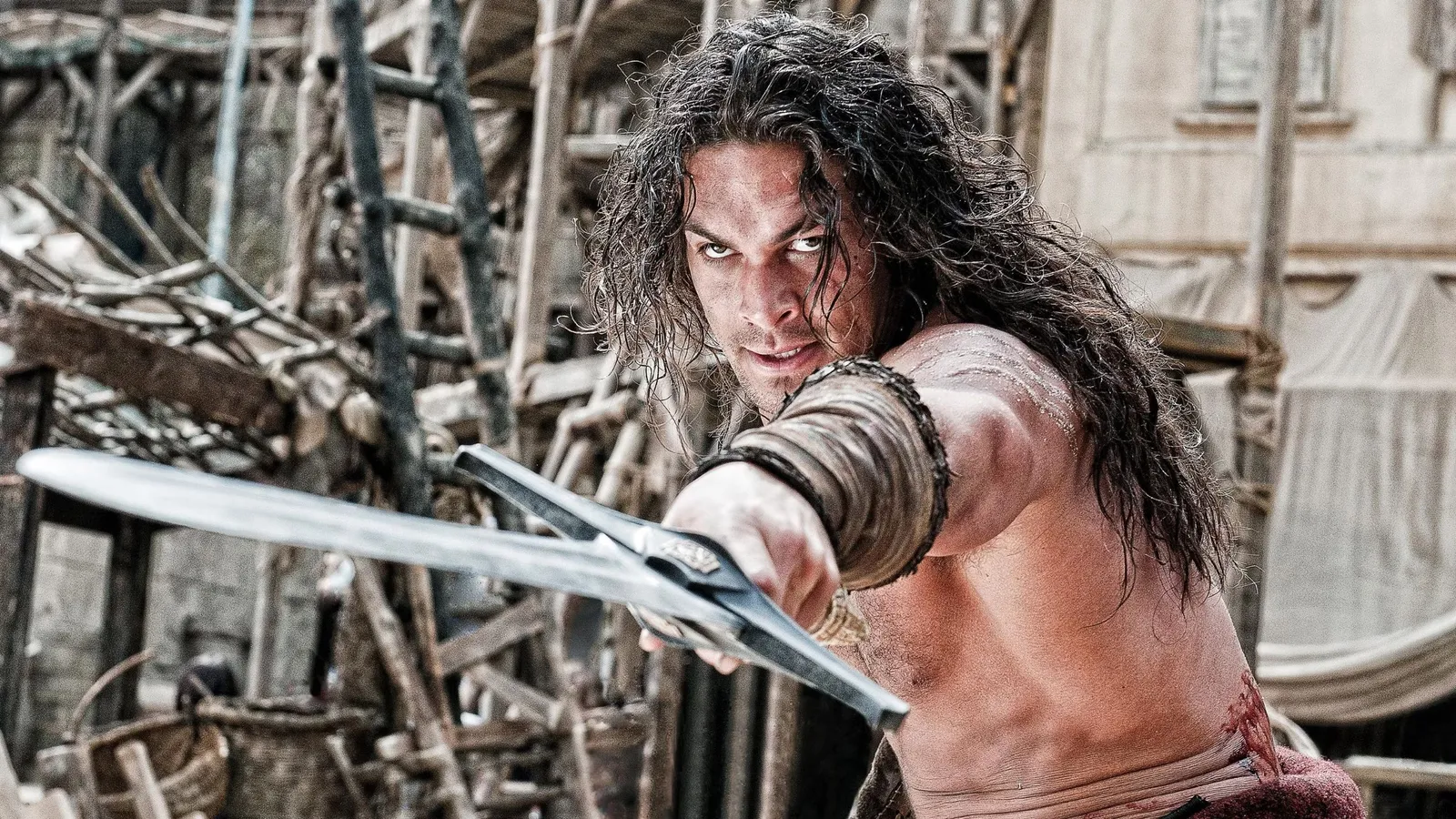
Conan switches from movies to Prime Video series, pushing the franchise into animation’s legacy lane
Prime Video is turning Conan into a new format, betting on the character’s deeper TV history and audience pull.
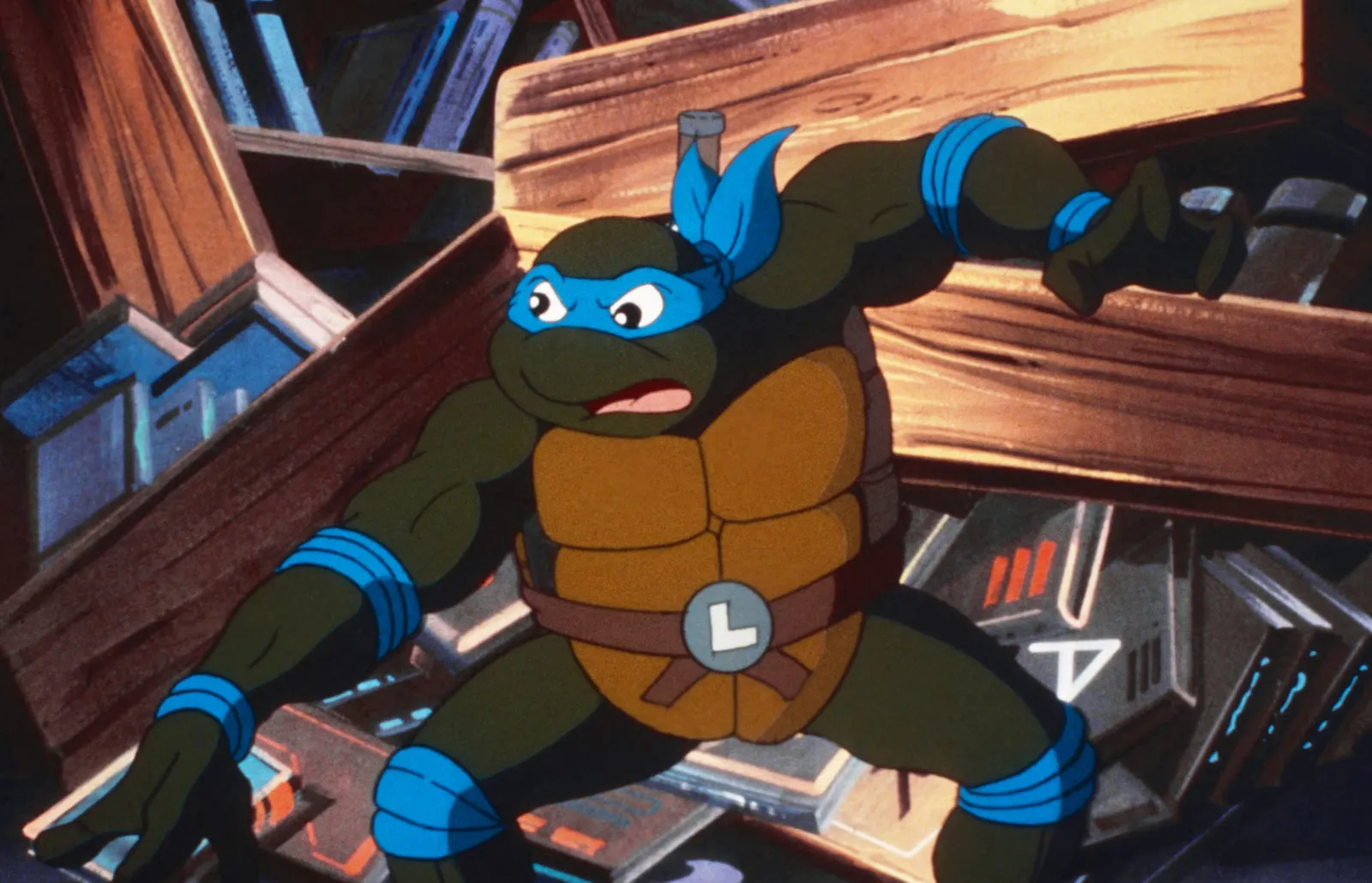
Nickelodeon revives early-90s TMNT stage show, targeting North America in 2027
The network is bringing Teenage Mutant Ninja Turtles back to live theaters, and it reshapes the kid-fandom playbook.