
Nickelodeon revives early-90s TMNT stage show, targeting North America in 2027
The network is bringing Teenage Mutant Ninja Turtles back to live theaters, and it reshapes the kid-fandom playbook.
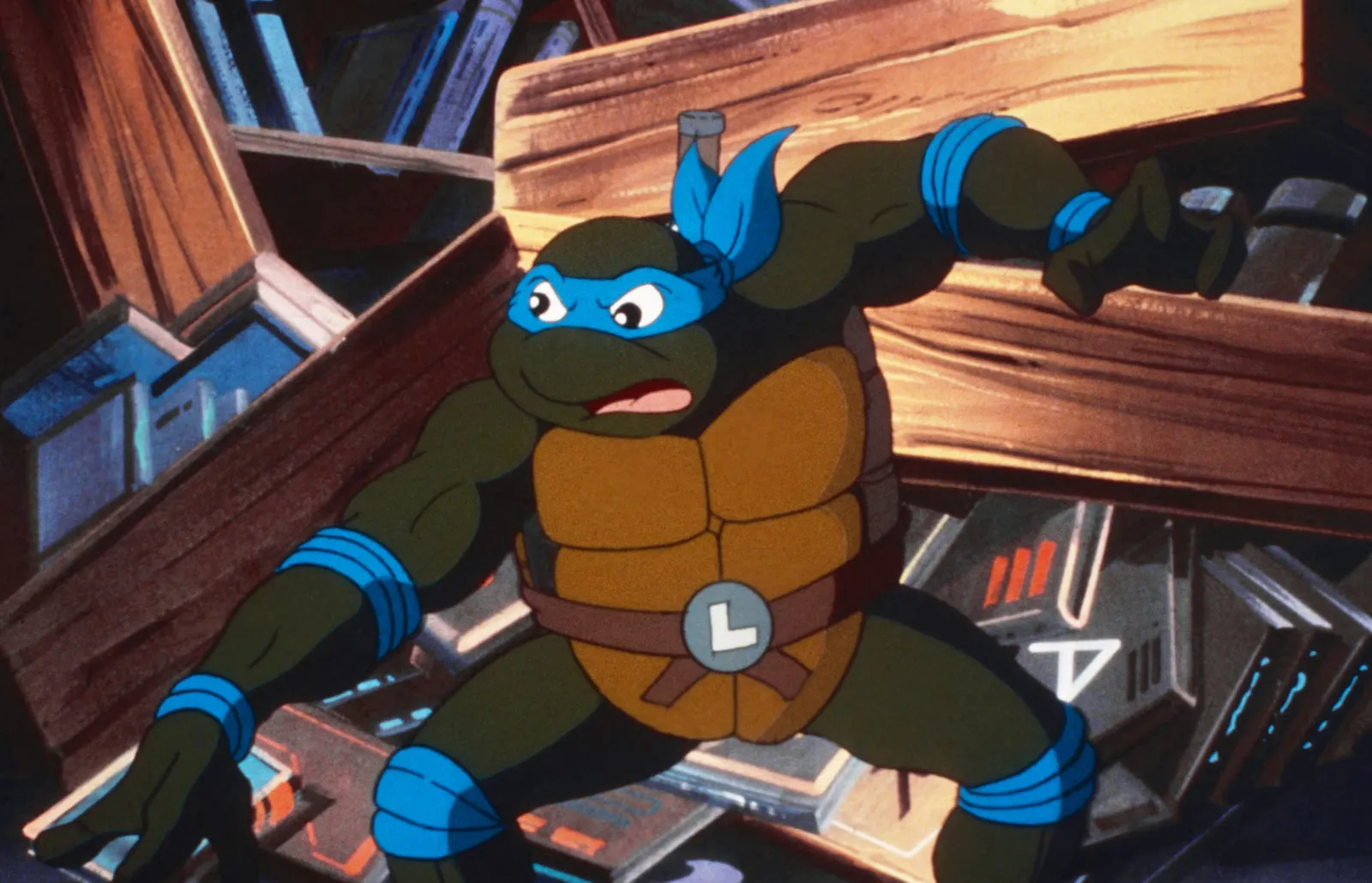
Nickelodeon, which bought TMNT in 2009, is launching a new live show titled Teenage Mutant Ninja Turtles Live on Stage! The production, “Coming Out of Their Shells,” will hit North American stages in 2027.
Nickelodeon is doing something weird, bold, and very on-brand for the TMNT universe: it is taking Teenage Mutant Ninja Turtles “out of the screens” and back onto the stage. The live production, Teenage Mutant Ninja Turtles Live on Stage!, branded as Coming Out of Their Shells, is set to hit North American stages in 2027. That matters because the last time TMNT had this kind of mainstream “staged” moment was effectively the early 1990s era that fans associate with the original cultural wave, not the current wave of reboots.
If you are a decision-maker in media, licensing, or live entertainment, the takeaway is not just “a new show exists.” It is that Nickelodeon is betting that the property still has enough durable demand to justify a major, long-lead theatrical push. TMNT has been rebooted repeatedly across comics, films, TV shows, and toy lines in recent decades. The source calls out the key point: those reimaginings have “appeal[ed] to new generations,” but this is the first time in a long time that Nickelodeon is rebooting something that had not been touched since the very early 1990s. The company already has proof of staying power in the catalog. Now it is moving that staying power into a different distribution channel, live theaters, with a 2027 launch window.
To understand the business logic, it helps to look at how Nickelodeon positioned TMNT in the first place. The network bought TMNT back in 2009. Since then, the brand has been repeatedly refreshed: comics, films, TV shows, and toy lines have all been reimagined “several times over.” That repeated reboot cycle is usually what executives do when they are trying to keep a franchise relevant without killing what made it valuable. But live stage is different from a TV episode or a movie release. A stage show requires coordination across production, touring or venue scheduling, casting and training, and audience development. It is also time-sensitive: you cannot just swap out the “seasonal” version the way you might update marketing creative.
So why go back now? Because live entertainment is an audience behavior, not just content consumption. For a property like TMNT, the question is whether multi-generational nostalgia can be activated in a theater setting without relying solely on screen-based storytelling. The source frames the revival as “so notoriously bizarre” that even Splinter, the character often treated as the wise one in the mythology, “couldn’t have foreseen” this return. That colorful framing actually highlights a serious strategic point: executives are not just bringing back a product; they are testing whether the brand’s weirdness and recognition translate into a live format that requires physical presence.
There is also a structural incentive for decision-makers: when a franchise is already being rebooted across multiple categories, adding live theater can broaden the monetization mix. Toy lines and screen content tend to be tied to predictable release cycles, but live stage offers a different revenue pattern and different partners. It can create additional licensing opportunities around costumes, props, and brand placements. It can also create a “moment” that fans plan around, which affects how marketing budgets are timed. In practical terms, a 2027 North America launch gives room for building awareness over years, aligning with seasonal promotions, and preparing touring logistics.
Regulatory and platform considerations are not front and center in the source, but the background context still matters. In media, the approval pathways for trademarks, branding, and rights clearances can be as critical as the creative itself, especially when a property spans comics, films, TV shows, and products. A stage production also lives in a different compliance environment than streaming or broadcast. It has to work with venue requirements, child performance considerations where applicable, and operational constraints that do not show up in digital releases. Even without specific regulatory details in the source, the second-order implication for executives is clear: live entertainment amplifies the need for rights clarity and operational discipline.
For boards and senior operators, the strategic stakes are bigger than one show. When a company like Nickelodeon chooses to reboot something last touched in the early 1990s, it signals confidence that the brand can survive across formats, not just across reboots. Other studios, rights holders, and entertainment groups watching TMNT will see a roadmap: diversify distribution, test nostalgia in new places, and use a property with proven cross-category performance as the foundation for a higher-friction investment. In 2027, Teenage Mutant Ninja Turtles Live on Stage! is not just a throwback. It is a franchise strategy applied to the most demanding kind of format, one where the audience cannot be passive. They have to show up, sit still, and feel the story in real time.
This story's Key Insights and Take-aways are locked.
Create a free account to unlock Executive Actions for one credit.
Register to UnlockAlways free for Executives Club members. Join the Club
More in Entertainment

Deltarune Chapter 5 smashes 300,000 Steam peak just minutes after launch
Within minutes, Toby Fox's episodic RPG blows past its own record, changing what “momentum” looks like on Steam.
Bob Iger defends pulling Jimmy Kimmel off Disney air, even as FCC reviews ABC licenses
Disney shareholders called it political; nine months later, Iger says it was “bad taste,” and the fallout isn’t done.
Conan switches from movies to Prime Video series, pushing the franchise into animation’s legacy lane
Prime Video is turning Conan into a new format, betting on the character’s deeper TV history and audience pull.