
Conan switches from movies to Prime Video series, pushing the franchise into animation’s legacy lane
Prime Video is turning Conan into a new format, betting on the character’s deeper TV history and audience pull.
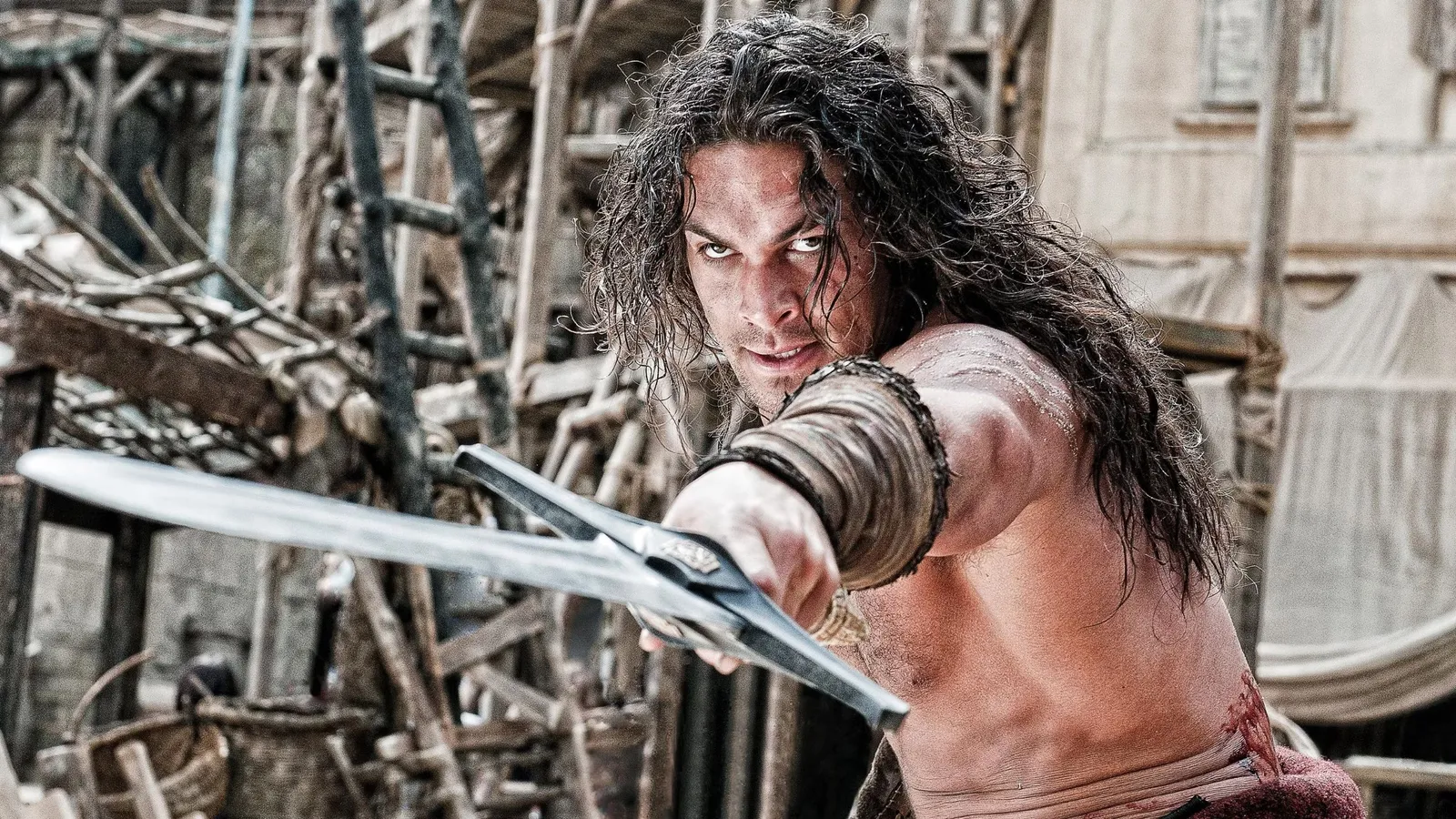
Conan the Barbarian, best known for the 1982 live-action film that launched Arnold Schwarzenegger as Conan, is now officially switching formats for a new Prime Video series. For decision-makers, it signals a renewed streaming-era strategy: reuse iconic IP while leveraging earlier TV credibility to reduce risk.
Conan the Barbarian is officially switching formats for a new Prime Video series, and the move matters precisely because Conan is not just a movie brand. It is a character with a long screen resume, including an animated run that became part of the 1990s TV bloodstream. The franchise’s identity has always been bigger than one production type. That is the business problem Prime Video is trying to solve: how to make a familiar global IP feel fresh without gambling everything on one kind of execution.
The through-line starts with the character’s origin: Conan is 94 years old and traces back to Robert E. Howard’s creation in his 1932 Weird Tales short stories. The 1982 movie then gave the modern pop-culture face of Conan, with Arnold Schwarzenegger in his breakout role. Even though later versions, including the 2011 adaptation starring Jason Momoa, have been well-cast, the franchise’s gravitational center for mainstream audiences remains the Schwarzenegger-era breakthrough. So when you see Conan shift formats for a new Prime Video series, the real question is not “will people recognize the character?” They already do. The question is “which era of Conan will the new series borrow to win attention and retention?”
Zoom out and you get why streaming platforms care so much about format. Movies create spikes. Series create habits. A character that already spans decades of storytelling can be refitted to match the viewing rhythm of today’s audience. Prime Video can turn Conan into something that plays longer in the ecosystem, not just as an event release. That is a different kind of monetization logic, because the company does not only need a one-time hit. It needs recurring watch behavior, catalog value, and a franchise flywheel.
For operators and board members, the strategy has a second-order wrinkle: the franchise’s best-known modern identity competes with its deeper genre credibility. ScreenRant points out that Conan took animated form in one of the best 1990s TV shows. That is not trivia. It is a reminder that Conan already survived a major shift in medium once, and that audiences accepted the character outside pure theatrical spectacle. When a streamer brings an IP with both blockbuster roots and TV strength into a new series, it is implicitly trying to de-risk the adaptation process by leaning on demonstrated flexibility.
There is also a production and expectation dynamic hiding in plain sight. Conan the Barbarian is instantly recognizable, and that recognition is a double-edged sword. On one hand, recognition compresses marketing effort. On the other, it raises the bar for tone, pacing, and character portrayal. The source emphasizes that it was “impossible to outshine Schwarzenegger” in the 1982 breakthrough context and that Momoa was well-cast in 2011. That combination hints at why “switching formats” is not a gimmick. If the new Prime Video series deviates too far from what audiences associate with Conan, it risks turning familiarity into disappointment. But if it uses the switching format to align with what people already liked in TV, it can feel like a smart evolution rather than a re-skin.
For a tech and entertainment platform, the incentives are straightforward, even if the execution is hard: streaming needs titles that can hold subscribers and attract new ones. For investors and executives watching media strategies, the bigger tell is how the platform chooses to treat legacy IP. Conan is not being positioned as a one-off “IP cash-in.” It is being positioned as a continuing property, with a new format for Prime Video. That is a capital allocation signal, because series development typically implies longer-term commitment than stand-alone films.
Finally, there is the regulatory and market framing angle, even when the news is light on policy details. In most jurisdictions, entertainment production and distribution are shaped by evolving media frameworks, including content rules, reporting requirements, and local production considerations. While the source does not cite any specific regulation for this move, the practical reality for decision-makers is that switching formats often triggers new workflows: different production schedules, different rights chains, and different compliance touchpoints than a film slate. In other words, the operational burden shifts even when the IP stays the same.
The strategic stakes for peers are clear. If Prime Video leans on Conan’s cross-era recognition and its animated TV legacy to support a new series format, other platforms will treat it as a signal to revisit how they structure long-tail IP bets. Conan is a 94-year-old character with 1932 roots, 1982 cinematic breakthrough visibility, and a 1990s animated credibility layer. A new Prime Video series is not just another adaptation. It is a test of whether format switching can turn timeless recognition into sustained streaming engagement.
This story's Key Insights and Take-aways are locked.
Create a free account to unlock Executive Actions for one credit.
Register to UnlockAlways free for Executives Club members. Join the Club
More in Entertainment
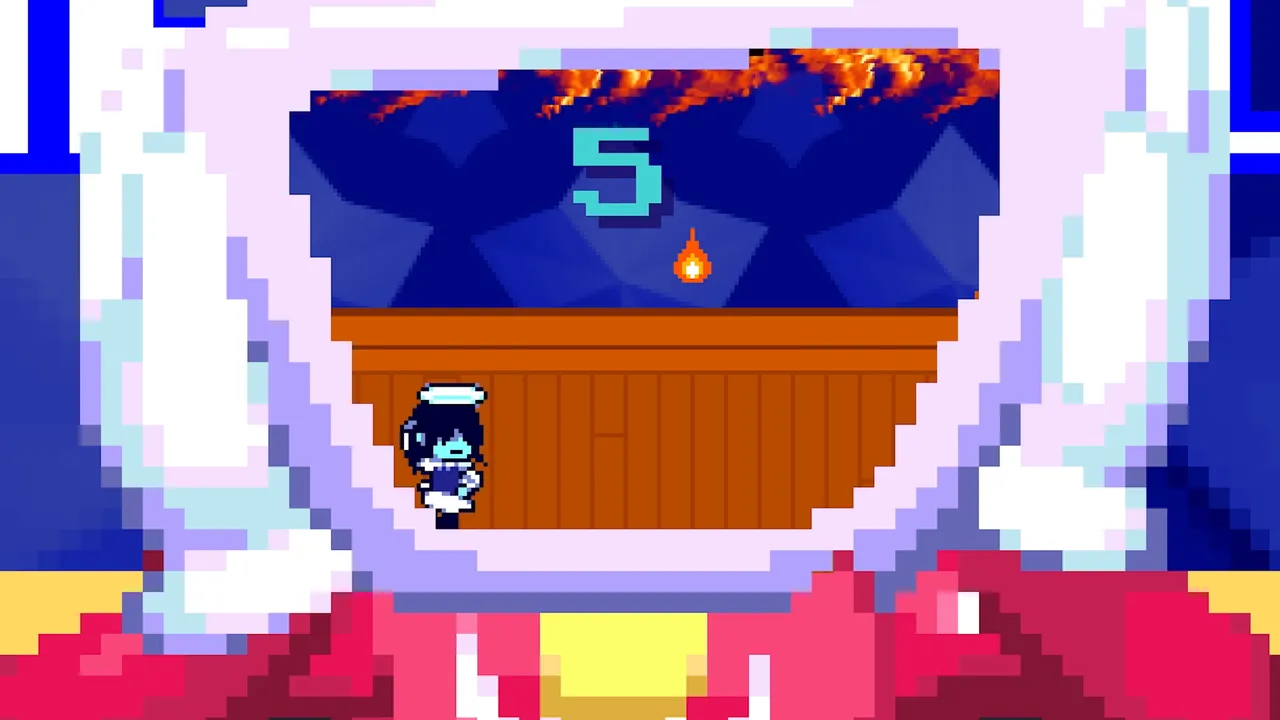
Deltarune Chapter 5 smashes 300,000 Steam peak just minutes after launch
Within minutes, Toby Fox's episodic RPG blows past its own record, changing what “momentum” looks like on Steam.
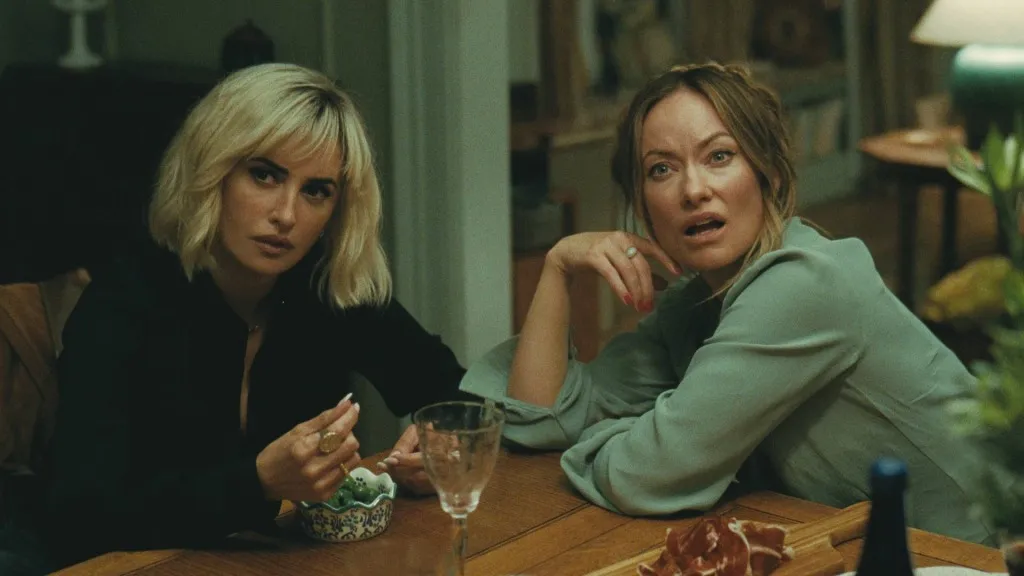
Bob Iger defends pulling Jimmy Kimmel off Disney air, even as FCC reviews ABC licenses
Disney shareholders called it political; nine months later, Iger says it was “bad taste,” and the fallout isn’t done.
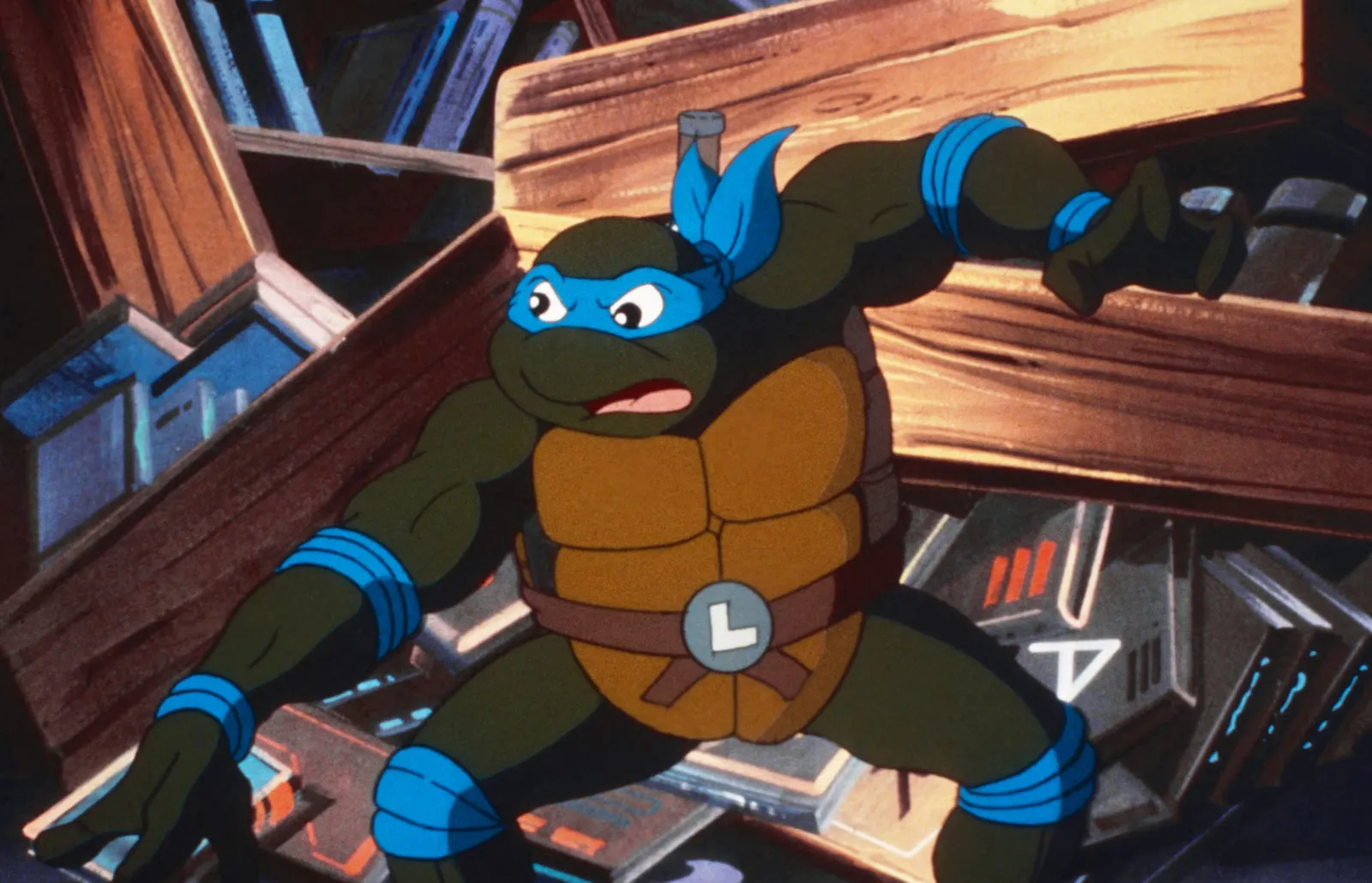
Nickelodeon revives early-90s TMNT stage show, targeting North America in 2027
The network is bringing Teenage Mutant Ninja Turtles back to live theaters, and it reshapes the kid-fandom playbook.