
Burnham’s first 24 hours: sackings, cabinet surprises, and snap-election pressure
In his opening day as PM, Burnham moves fast inside Number 10, but the election clock keeps ticking.
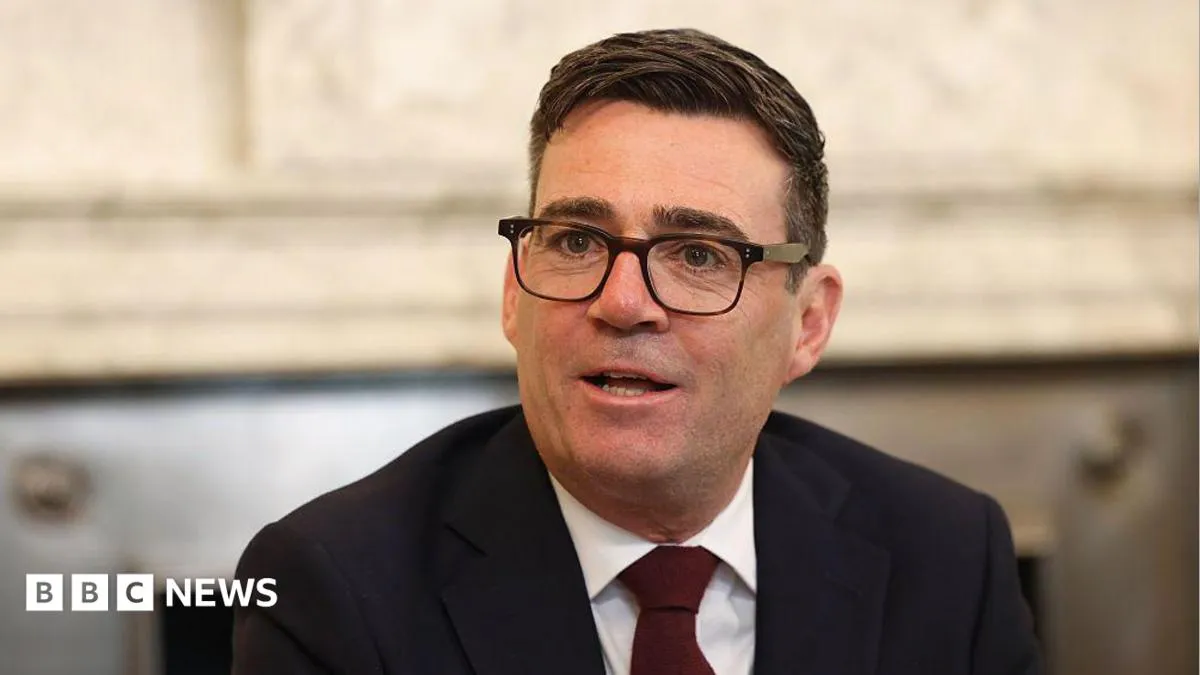
Burnham enters Number 10 and begins a high-tempo reset that includes sackings, cabinet surprises, and new policy signals. Decision-makers face a dual challenge: managing government change while preparing for calls for a snap election.
Burnham’s first 24 hours as prime minister look like a deliberate “now or never” sprint. The BBC frames his start at Number 10 as a flurry of activity: sackings, cabinet surprises, and policies that set an early direction. It is the kind of opening that tells ministers, civil servants, and outside stakeholders one thing quickly: the new PM is not interested in gradualism.
But for all the motion, the political gravity does not disappear. The same BBC report makes clear that Burnham is still facing calls for a snap election. That tension matters. A cabinet shake-up can be about capability, ideology, or both, yet snap-election pressure changes how seriously anyone should plan. In Westminster, time is not just a calendar, it is leverage. When an election might arrive early, every internal decision faces a new question: are we building for a long government, or just for the next campaign narrative?
To understand why this matters beyond politics, you have to remember how government change ripples into policy execution. Cabinet reshuffles and early sackings are not only symbolic. They can alter which departments get priority, how quickly legislation drafts move, and which ministers have the mandate to negotiate with regulators and stakeholders. Even when policy outcomes are not immediately visible, the machinery of delivery starts shifting on day one. The BBC describes Burnham entering Number 10 “in a flurry of activity,” which, in practical terms, usually means rapid reallocation of attention, authority, and resources across teams.
Now add the snap-election variable. A snap election is essentially a forced timing reset. It compresses decision cycles and often encourages actors to choose positions that play well publicly rather than positions that maximize long-term implementation. For boards, regulators, and anyone who relies on stable policy pipelines, election uncertainty is not a footnote. It affects planning assumptions around procurement, licensing, tax treatment, and the cadence of rulemaking. The BBC’s line about calls for a snap election signals that uncertainty remains on the table, even while Burnham’s team is busy rearranging the inside of the building.
There is also a second-order effect: cabinet surprises can scramble internal expectations. When ministers are reshuffled early, you get a re-licensing of influence. The people who inherit new briefs might push faster, while those who lose roles might resist in the margins, especially if they believe the government’s time horizon could be short. In a normal timeline, governments have more room to trade favors and coordinate. In a snap-election scenario, those coordination loops get tighter, sometimes producing uneven transitions where responsibilities shift before processes fully stabilize.
For stakeholders, this is where the incentives get tricky. Companies and institutions typically want clarity: which policy agenda is real, which is posture, and how quickly changes will become enforceable. Burnham’s first day, as described by the BBC, combines both. There is movement inside Number 10 that can be interpreted as a claim to control the agenda. At the same time, ongoing calls for a snap election act like a reminder that the control could be contested at the ballot box faster than expected.
That double dynamic can produce a particular kind of decision-making environment for executives and boards. You can plan around announced priorities, but you also have to plan for the possibility that those priorities get revised, delayed, or reframed depending on electoral outcomes. In other words, Burnham’s first 24 hours are not just a headline about staffing and politics. They are a signal about how unstable the policy calendar might be, and how quickly strategic assumptions must be stress-tested.
Strategically, the key stake is simple: whether Burnham can convert early operational energy into durable direction before the political clock runs out. Sackings and cabinet surprises can create momentum, but snap-election pressure can shorten the time available to turn momentum into outcomes. For peers, it is a warning as much as a story. When a new leader enters office with both aggressive internal change and unresolved election pressure, everyone else in the ecosystem should treat the first window as volatile, not settled.
This story's Key Insights and Take-aways are locked.
Create a free account to unlock Executive Actions for one credit.
Register to UnlockAlways free for Executives Club members. Join the Club
More in Politics
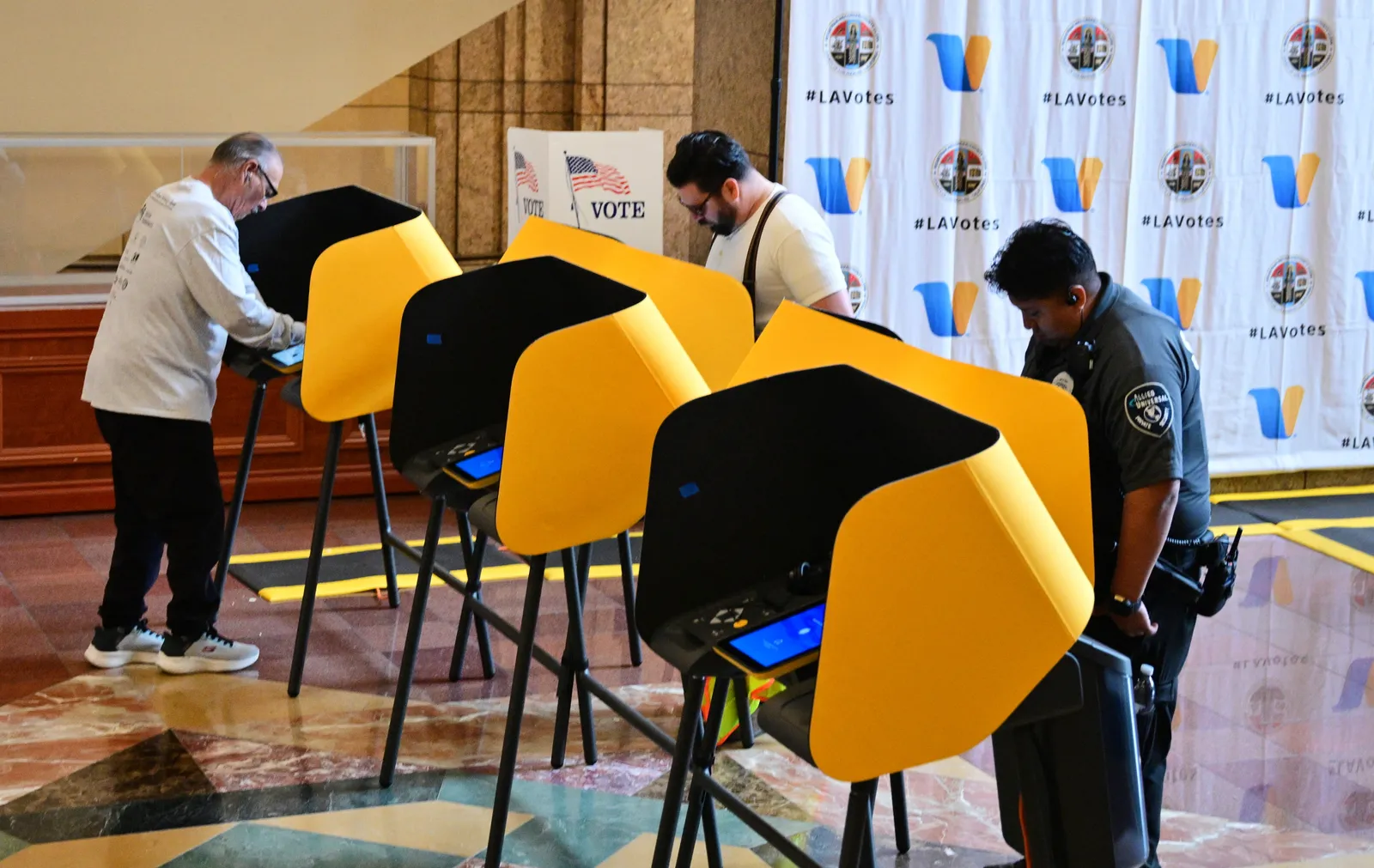
LA County: DOJ's 20,000 'noncitizen' voter list is 'unreliable,' includes U.S.-born
Preliminary review by Los Angeles County election officials finds errors in the federal list, raising the stakes for voter roll integrity ahead of November.
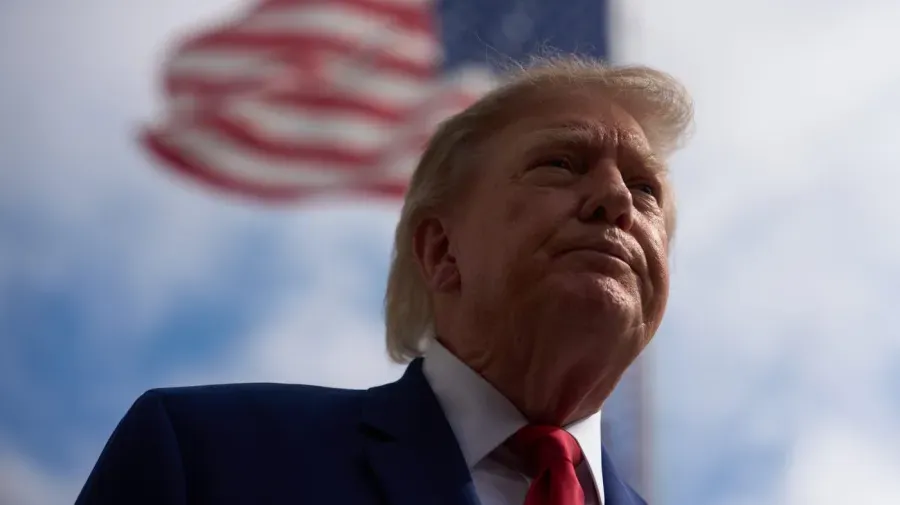
Trump's $1.5B Pentagon chip investment lands in North Carolina
A $1.5 billion defense infusion for North Carolina chipmaking signals a new era of Pentagon-backed reshoring - here's what it means for the industry.

Nigeria confirms first Ebola case in Abuja, a woman just off a Uganda flight
Health Minister Muhammad Ali Pate says the patient flew in from Uganda, putting Africa's latest outbreak on Nigeria's doorstep.