
CD Projekt Red CEO says fully AI-generated games are coming, but he doubts the route
Michał Nowakowski signals AI will matter in The Witcher 4 era, then calls out the risks of skipping human craft.
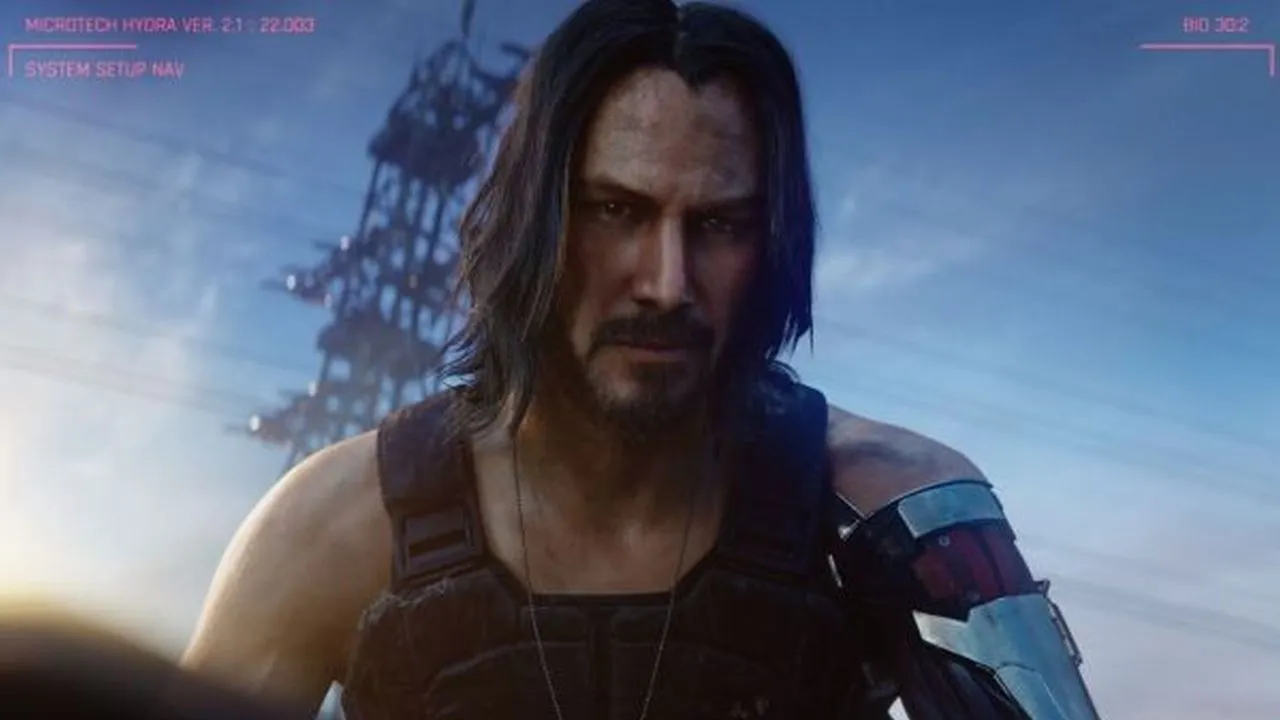
CD Projekt Red CEO Michał Nowakowski says fully AI-generated games are coming and discussed the idea in relation to the studio's work, including The Witcher 4. For decision-makers, his skepticism is a warning that AI hype does not automatically equal a safe product or business path.
CD Projekt Red CEO Michał Nowakowski says fully AI-generated games are coming, but he admits he has "some doubts whether this is really the path to follow". In other words: even the exec at a major studio openly talking about AI-generated content is not fully buying the idea that this should be the destination.
That mix matters because it frames the current moment for the entire games industry. We are in the phase where AI is moving from “tool that helps” to “content that replaces,” and leadership teams are trying to decide where their studios, budgets, and brand trust should land. Nowakowski is effectively telling audiences that the future is not “AI will exist,” it is “AI will generate,” but he still questions whether fully AI-generated production is the right strategy.
To understand why that skepticism is loud, look at what games companies sell. They sell more than software. They sell immersion, authorship, and reliability. When you move toward fully AI-generated games, you are not just changing production workflows. You are changing how creative intent is expressed and how consistent a game feels from one play session to the next, especially in narrative-driven titles like those tied to The Witcher universe. Even when AI can draft dialogue, build environments, and generate quests, executives still face the harder question: will players feel the difference, and will quality hold up across the entire catalog?
Nowakowski's position also highlights incentive tension inside studios and boards. Management teams often feel pressure to show progress on new tech because the market rewards narratives of speed and efficiency. At the same time, boards tend to underwrite downside risk, because product mistakes in games can linger. A bad launch can freeze recruiting, damage partnerships, and turn future marketing spend into damage control. The “fully AI-generated” promise can sound like a cost lever. But the doubts Nowakowski mentions are a reminder that cost cutting is not the same thing as value creation.
There is another layer that decision-makers cannot ignore: regulatory and platform scrutiny. While the source story is focused on Nowakowski's comments, the broader environment is already moving around AI-generated media. Regulators and policymakers across jurisdictions have been grappling with disclosure, copyright, and accountability questions. Even if a studio is not directly litigating every edge case today, board members still have to account for the possibility of future compliance overhead. If the industry’s direction shifts quickly, companies that “go all in” on fully AI-generated pipelines could end up retrofitting systems later, which can be expensive and disruptive.
Capital allocation is where this becomes brutally practical. Studios are not just shipping games. They are managing production uncertainty. Fully AI-generated games suggest a path where iteration cycles could shorten and scale might expand. But Nowakowski’s doubt signals that there may be a quality and governance gap that automation cannot automatically bridge. In practice, leadership teams will still need human oversight, review, and curation, even if AI produces the bulk of assets or content. That means the “fully AI-generated” model might not deliver as clean a line between automation and human labor as early demos imply.
For peers watching The Witcher 4 conversation, the strategic takeaway is not “AI is good” or “AI is bad.” It is that credible leaders are split on the endpoint. Nowakowski is saying games built from AI are coming, but he is questioning whether fully AI-generated is the right path to follow. That is the kind of signal that matters to executives because it affects roadmap timing, hiring plans, vendor selection, and how aggressively a studio commits to new pipelines.
In short: the future is not arriving as a clean switch. It is arriving as a sequence of choices with tradeoffs. Nowakowski’s doubts are a reminder that the fastest strategy is not always the safest one. For decision-makers, the right question is whether your organization is building a durable product quality system that can tolerate AI at scale, or whether you are just chasing novelty at the risk of weakening what your players came for in the first place.
This story's Key Insights and Take-aways are locked.
Create a free account to unlock Executive Actions for one credit.
Register to UnlockAlways free for Executives Club members. Join the Club
More in Entertainment
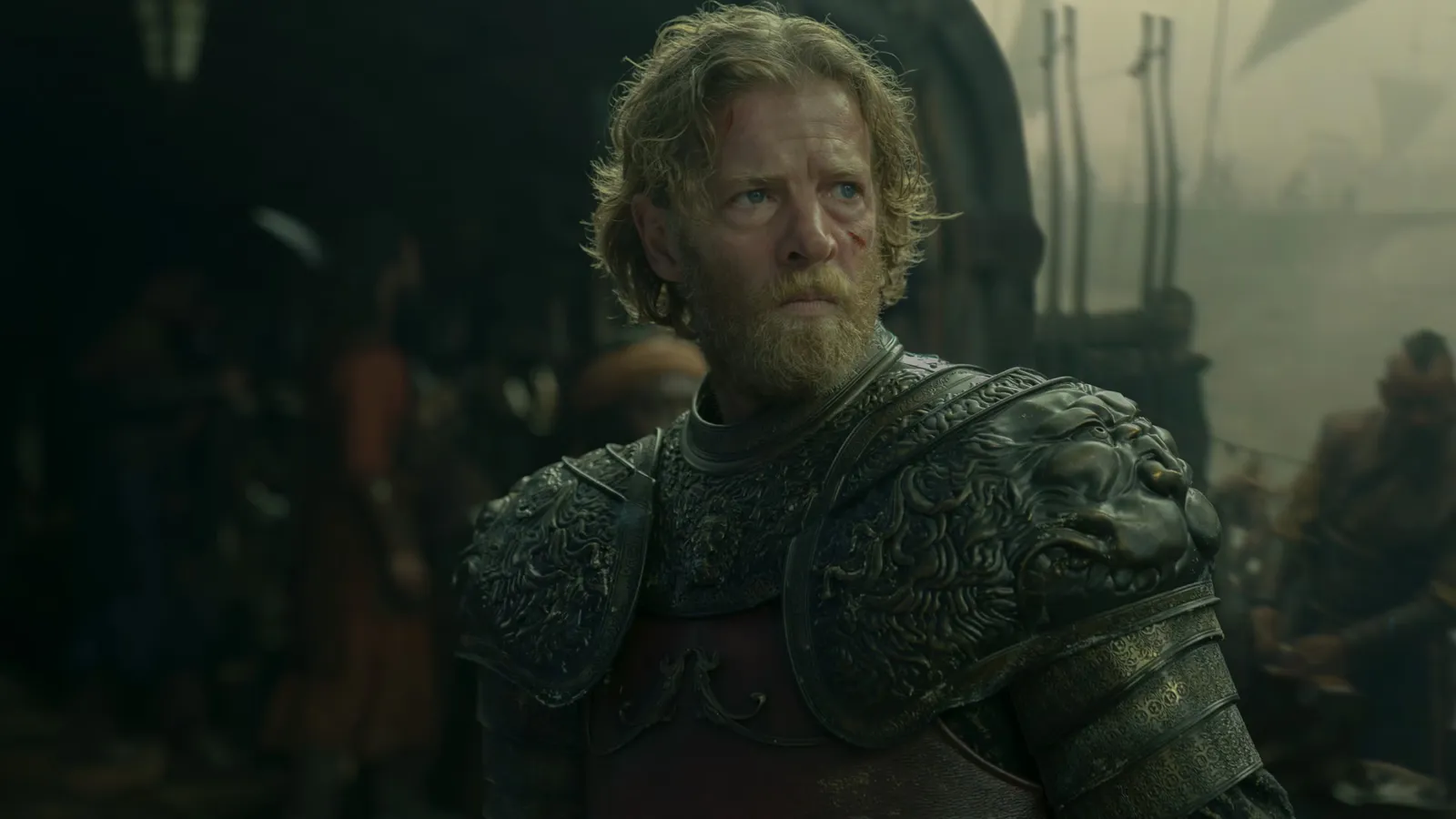
House of the Dragon’s premiere earns a standout Rotten Tomatoes score
After Thrones’ polarizing finale, the franchise’s biggest spinoff returns with a top-tier Rotten Tomatoes debut.
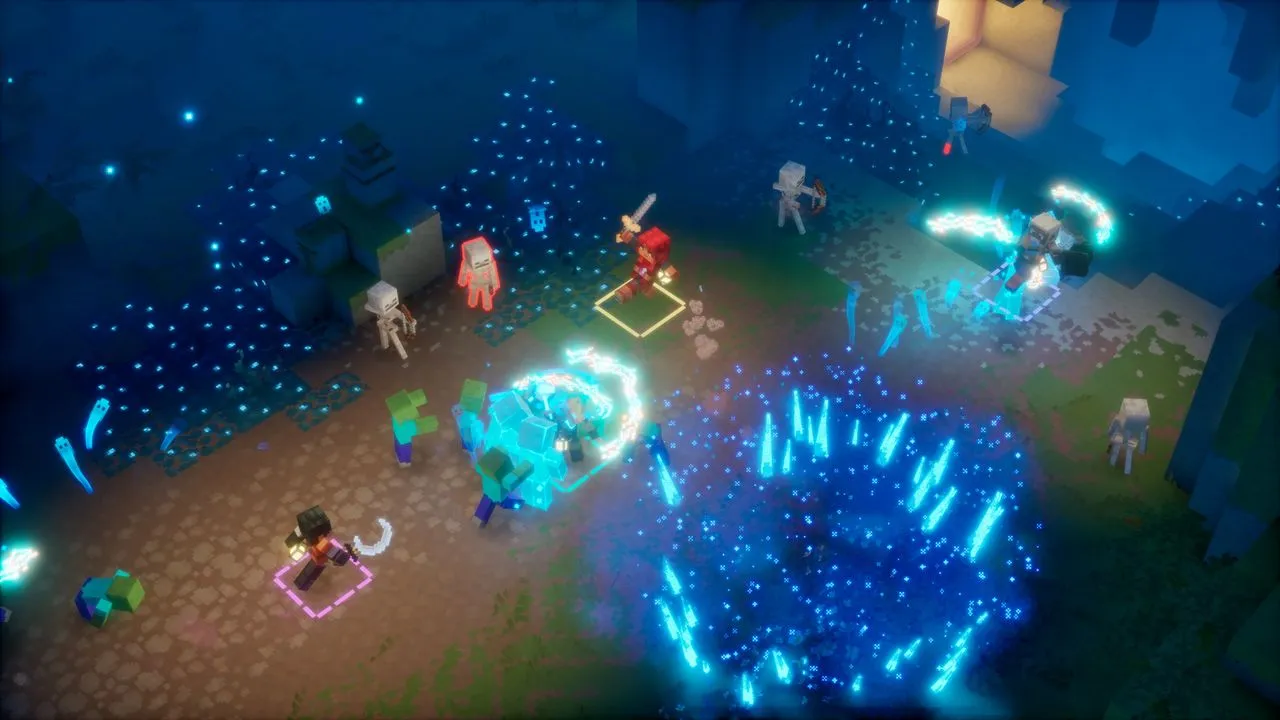
Mojang says Minecraft Dungeons 2 adds more vanilla callbacks than its last ARPG
New exploration and armor changes are Mojang's attempt to make the spinoff feel like “regular Minecraft,” by design.

Vought Rising ships Vought Rising in 2027, and Starlight's arc is not done
Prime Video is expanding The Boys universe with a 2027 prequel and a Mexico spinoff, keeping Starlight’s story in motion.