

Constellation pours $4.3B into nuclear uprates; AI demand still dwarfs them
The US's largest nuclear operator is squeezing 1 GW from old reactors, but a 30-gigawatt AI demand wave means uprates are only a bridge to new builds.
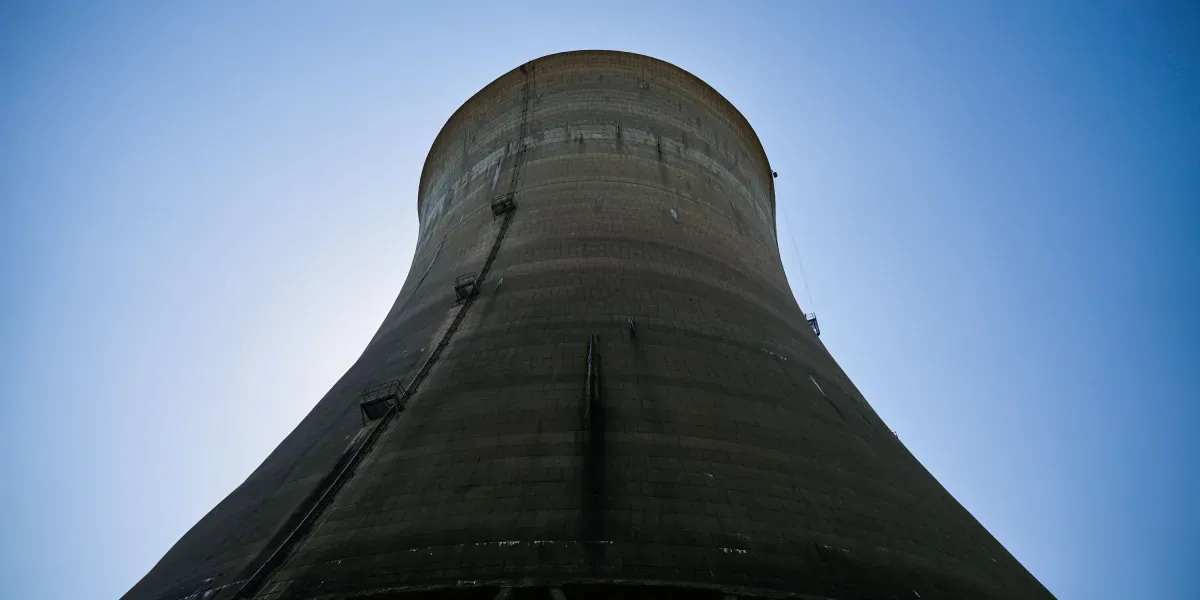
Constellation CEO Joe Dominguez unveiled a $4.3 billion plan to add nearly a gigawatt of capacity through uprates at 11 reactors, with Google underwriting the economics. For executives, the move signals that AI-driven power demand is now reshaping capital allocation even in the nuclear fleet, but uprates alone won't close the coming supply gap.
Constellation Energy, the largest nuclear operator in the US, is spending $4.3 billion to coax nearly a gigawatt of additional electricity out of 11 existing reactors at six plants. CEO Joe Dominguez staked the plan on a 20-year agreement with Google to buy the power, enough to supply roughly 700,000 homes, and a clear acknowledgment that the AI boom has made every megawatt of zero-emission capacity worth chasing.
But the scale of the opportunity is brutally small next to the scale of the need. The entire US nuclear fleet currently has about 98 gigawatts of capacity, and industry estimates put the realistic uprate potential at just 3 to 8 gigawatts nationwide. PJM, the grid operator covering much of the East Coast, alone expects AI to add roughly 30 gigawatts of peak demand by 2030. In other words, wringing every possible extra watt out of every US reactor would still cover only a fraction of what one regional grid anticipates needing in the next six years.
Uprates are not a new trick. Operators have been upgrading equipment to boost reactor output since the 1970s, but the practice slowed dramatically as electricity demand plateaued and cheap natural gas squeezed nuclear margins. Between 2001 and 2010, the Nuclear Regulatory Commission approved more than 80 uprates. Between 2011 and 2020, it approved just 33. The AI buildout has flipped that trajectory, and shuttered plants like Palisades and Three Mile Island are now racing to reopen while existing plants line up for larger overhauls.
The projects vary in scope. Minor uprates adjust instrument setpoints or calculations, while major overhauls can boost reactor power by as much as 20%, requiring replacement of turbines, pumps, motors, generators, and transformers. The most recent major US uprate was at Browns Ferry in Alabama, where a $475 million project expanded capacity by 14% between 2018 and 2019. Constellation's plan dwarfs that effort and comes with a correspondingly large price tag, reflecting both engineering complexity and the premium for speed.
The federal government is helping to close the funding gap. On October 5, the Department of Energy awarded a $4.2 billion loan to Vistra for previously announced upgrades at three plants in Pennsylvania and Ohio, work that will add 433 megawatts. Meta has already signed a long-term deal to buy electricity from those plants. Together, the Constellation and Vistra projects show a pattern: the financial risk of uprates is being shared by federal lenders and Big Tech's balance sheets rather than falling entirely on ratepayers or merchant power revenues.
Cost still determines which projects move forward. On a per-kilowatt basis, Constellation's uprates are less expensive than building a new reactor, but they remain more expensive than a new utility-scale solar farm with storage or a combined-cycle natural gas plant. That premium only makes sense when a customer like Google or Meta guarantees a price point above what the market trades at, which is exactly why Dominguez said these are "capital intensive, labor intensive projects that require a different price point than the market trades at, frankly."
The near-term pipeline is already filling. The NRC expects applications to add 2.4 gigawatts of reactor power through 2032, and the remaining potential for uprates is being snapped up quickly by operators eager to secure the most creditworthy offtakers. But the strategic stakes extend beyond this round of upgrades. If AI demand lands where PJM projects it, the US will eventually need new reactors, not just refurbished ones. Uprates are a relatively easy zero-emissions win and a useful bridge, but they are not a destination for an economy that keeps adding data centers and the power they consume.
This story's Key Insights and Take-aways are locked.
Create a free account to unlock Executive Actions for one credit.
Register to UnlockAlways free for Executives Club members. Join the Club
More in Business

Elon Musk unveils a flying car, and SpaceX helped build it
The Tesla CEO's showcase at a SpaceX facility signals a future where road and rocket engineering converge.

Apple's $2,000 iPhone Duo opens preorders, taking on Samsung and Google
Apple's first foldable hits the market at a premium price, reshaping a category Samsung and Google have led.

Pope Leo XIV, first American pope, diagnosed with lung cancer
The 71-year-old Chicago-born pontiff underwent successful surgery on his right lung, and his diagnosis raises new questions about his AI-focused papacy and the Vatican's future.