
Democrats Blast Trump's Venezuela Oil Deal as Risk to U.S. Troops
Sen. Chris Van Hollen warns the 65-million-barrel deal endangers service members, calling it 'proof' of risk, not a victory.
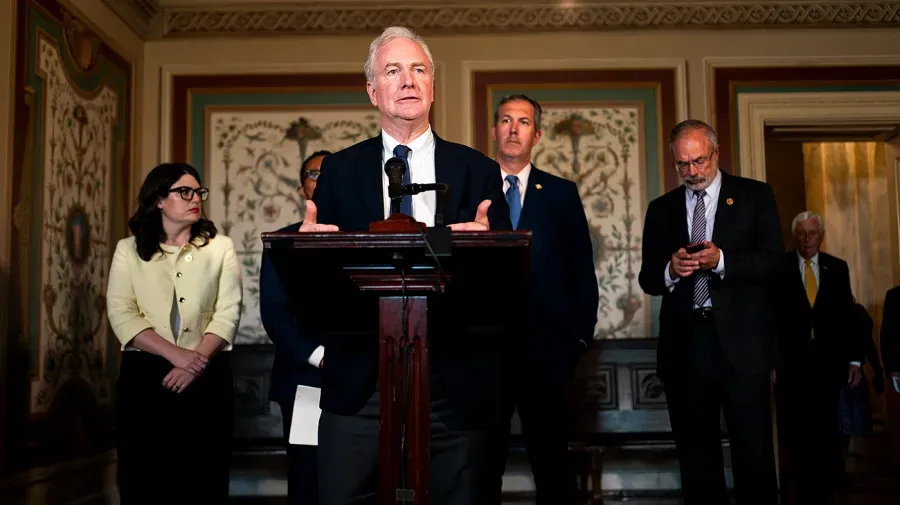
President Trump announced a deal to acquire majority control of over 65 million barrels of Venezuelan oil, drawing immediate fire from Democrats. Sen. Chris Van Hollen (D-Md.) called it a risk to U.S. service members, signaling a deepening partisan split over Venezuela policy.
President Trump's announcement of a new deal to secure majority control of over 65 million barrels of Venezuelan oil has ignited a political firestorm, with Democratic leaders accusing the administration of putting U.S. troops in harm's way for a questionable prize. Maryland Sen. Chris Van Hollen took to social media to declare, 'Let's be clear: this isn't a win,' adding that the deal is 'proof Trump put our service members at risk.'
The deal, announced Friday, would give the U.S. majority control of a significant oil reserve from Venezuela, a nation that has been under heavy U.S. sanctions for years. The exact terms remain murky, but the move appears to be an attempt to secure energy resources amid global supply concerns. However, critics argue that the arrangement could destabilize the region and undermine long-standing U.S. policy aimed at pressuring Venezuelan President Nicolás Maduro.
The U.S. has maintained a complex sanctions regime against Venezuela's oil sector, with licenses and waivers issued selectively. Chevron, for instance, has operated under a special license, but broader restrictions have limited American involvement. This new deal, if it proceeds, would represent a significant shift, potentially bypassing existing sanctions or requiring new legal frameworks. The regulatory implications are vast, affecting not only oil companies but also financial institutions and shipping firms that handle Venezuelan crude.
Oil markets are already tight, with OPEC+ production cuts and geopolitical tensions keeping prices elevated. A deal that brings 65 million barrels under U.S. control could theoretically ease supply pressures, but the practical impact depends on the condition of the oil, the infrastructure to extract and transport it, and the political stability of the region. Analysts note that Venezuelan oil production has collapsed over the past decade, and any revival would require massive investment and time.
Beyond the immediate oil supply, the deal carries significant geopolitical consequences. It could be seen as a direct challenge to Maduro's regime, potentially escalating tensions with Russia and China, both of which have vested interests in Venezuela. Moreover, it sets a precedent for U.S. intervention in sovereign energy assets, which could have chilling effects on international investment and trade. For U.S. service members, the risk is tangible: any military or security component of the deal could draw troops into a volatile conflict zone.
The partisan divide over Venezuela policy is deepening. Democrats argue that the administration is prioritizing corporate interests over national security and human rights, while Republicans frame the deal as a strategic win against authoritarianism. For other nations and companies watching, the message is mixed: the U.S. is willing to bend its own sanctions rules when it suits its interests, but the long-term reliability of such deals is questionable. The ultimate test will be whether the oil actually flows and at what cost, both in dollars and in lives.
For energy executives and policymakers, this deal is a cautionary tale about the intersection of geopolitics and commerce. It underscores the volatility of operating in sanctioned environments and the need for robust risk assessment. As the administration pushes forward, the industry will be watching closely to see how the deal is structured, how it complies with existing laws, and whether it sets a new norm for resource acquisition. The stakes are high, and the outcome could reshape U.S. energy policy for years to come.
This story's Key Insights and Take-aways are locked.
Create a free account to unlock Executive Actions for one credit.
Register to UnlockAlways free for Executives Club members. Join the Club
More in Business
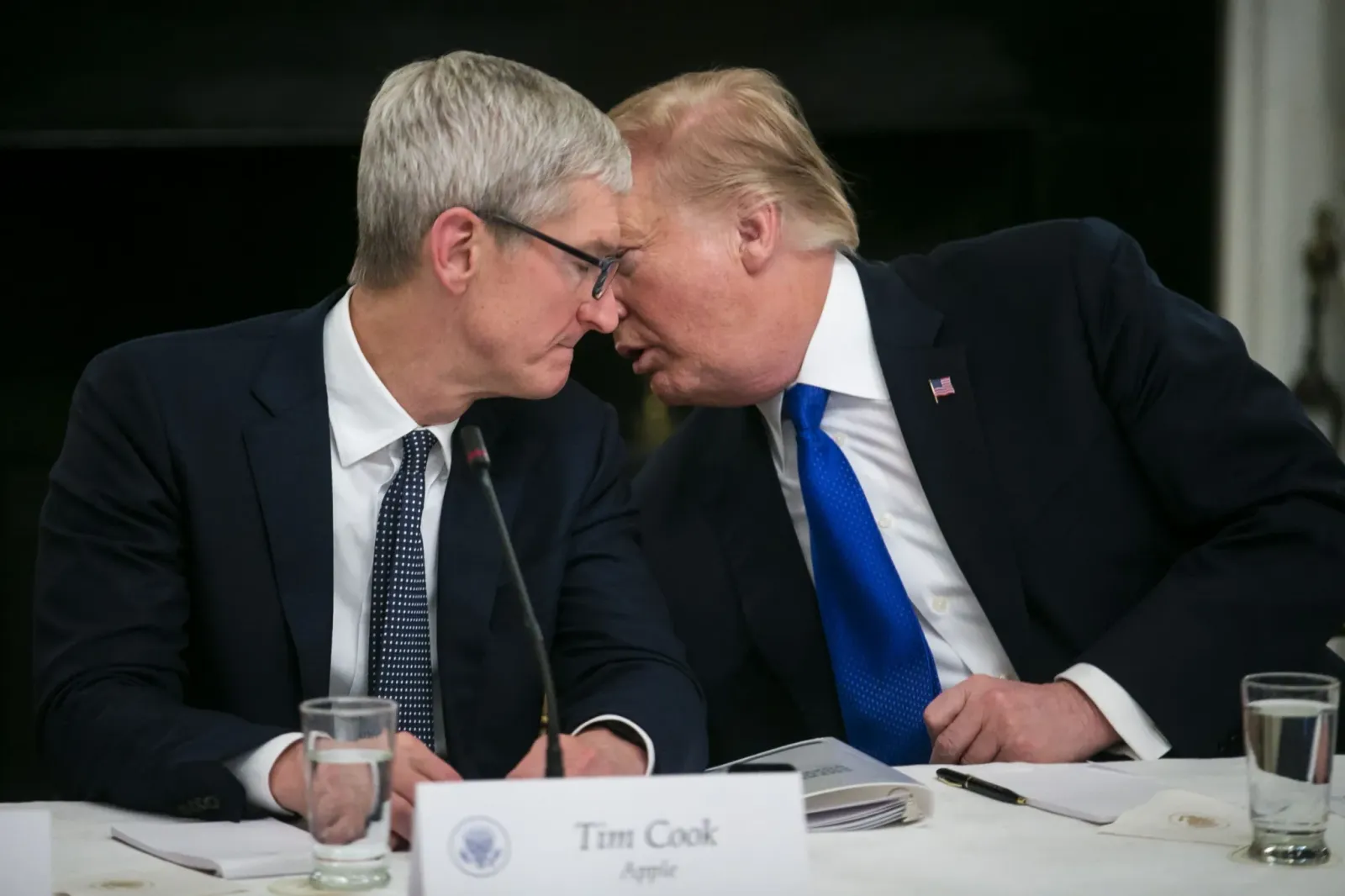
Tim Cook steps down as Apple CEO, stays on as chair with $45M equity
The 'Trump whisperer' keeps his White House and Beijing access as Apple navigates tariffs and a $4.6 trillion market cap.

Snowflake shares surge as AI data demand crushes estimates, lifting full-year forecast
Stocks jumped on stronger-than-expected guidance, signaling enterprise AI workloads are accelerating faster than Wall Street priced in.

Tim Cook's 15-year Apple CEO run ends: 3 lessons for any successor
After 15 years, Tim Cook hands Apple to John Ternus - here's how he turned a $350B company into a $4.6T juggernaut.