

Dolly Parton's IP Strategy: The Business Blueprint Behind Her Empire
How the country icon turned songwriting royalties and brand control into a multi-decade fortune-and what executives can learn from her playbook.
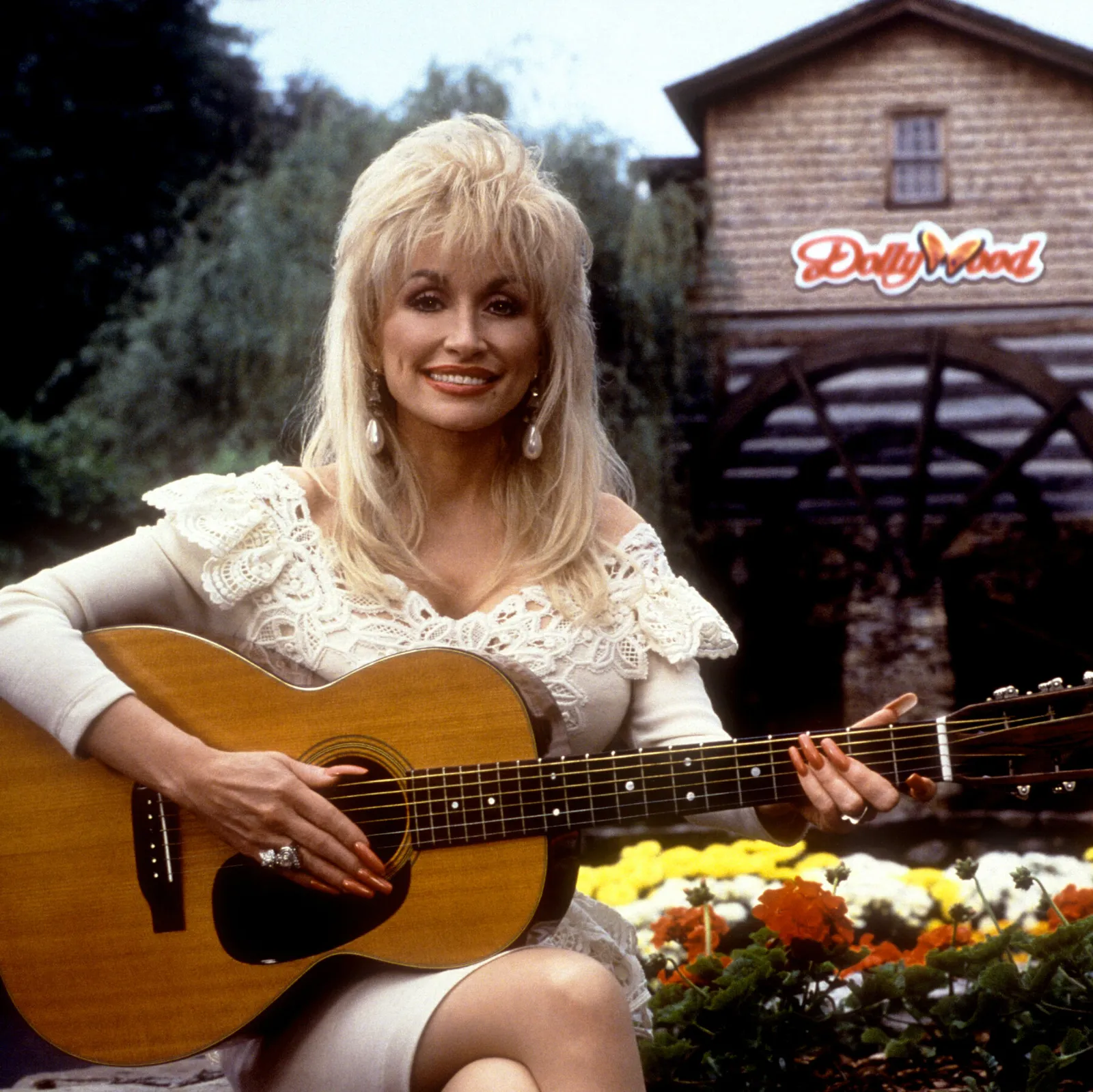
Dolly Parton built a business empire by treating her intellectual property as her most valuable asset, licensing selectively and protecting her image fiercely. Her approach offers a masterclass for founders and executives on brand longevity, monetization, and strategic restraint.
Dolly Parton is often celebrated for her music, her philanthropy, and her larger-than-life persona. But behind the wigs and the rhinestones lies one of the most disciplined business minds in entertainment-a woman who understood the value of intellectual property long before it became a boardroom buzzword. Parton's career spans more than six decades, and her net worth is estimated in the hundreds of millions, but the real story isn't just the money. It's how she got there: by treating her name, her songs, and her image as assets to be protected, not exploited. In an era when artists routinely signed away their publishing rights, Parton kept control of her catalog-a decision that has paid off repeatedly, from the hit song "I Will Always Love You" to the Netflix series "Heartstrings." Her business model offers a blueprint for anyone trying to build a lasting brand in a world of short-term attention.
This story's Key Insights and Take-aways are locked.
Create a free account to unlock Executive Actions for one credit.
Register to UnlockAlways free for Executives Club members. Join the Club
More in Business
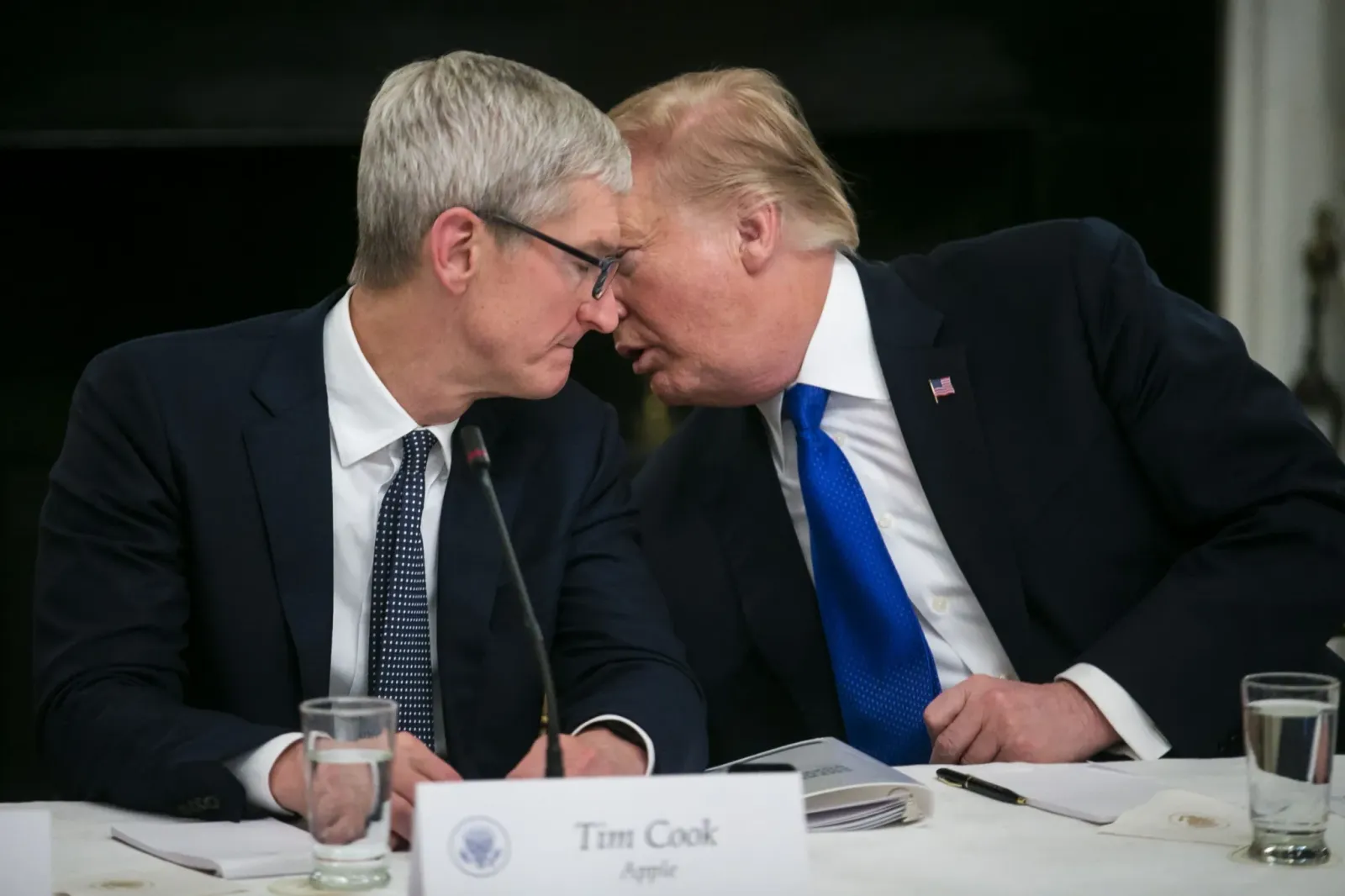
Tim Cook steps down as Apple CEO, stays on as chair with $45M equity
The 'Trump whisperer' keeps his White House and Beijing access as Apple navigates tariffs and a $4.6 trillion market cap.

Snowflake shares surge as AI data demand crushes estimates, lifting full-year forecast
Stocks jumped on stronger-than-expected guidance, signaling enterprise AI workloads are accelerating faster than Wall Street priced in.
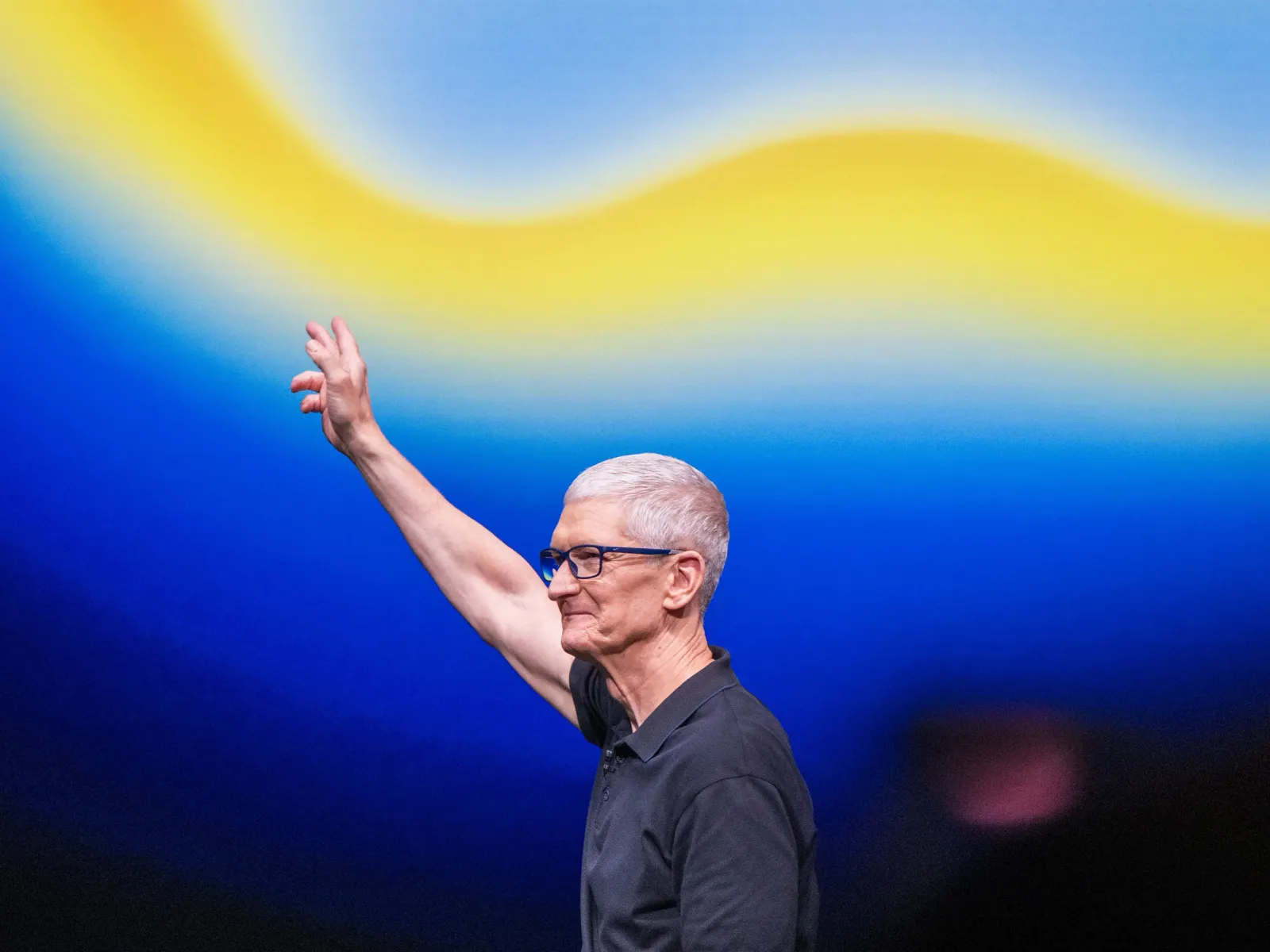
Tim Cook's 15-year Apple CEO run ends: 3 lessons for any successor
After 15 years, Tim Cook hands Apple to John Ternus - here's how he turned a $350B company into a $4.6T juggernaut.