

Dozens die as buses collide in eastern Syria, triggering a large-scale rescue operation
A crash on a notorious route has already killed dozens and pulled in major emergency resources across eastern Syria.
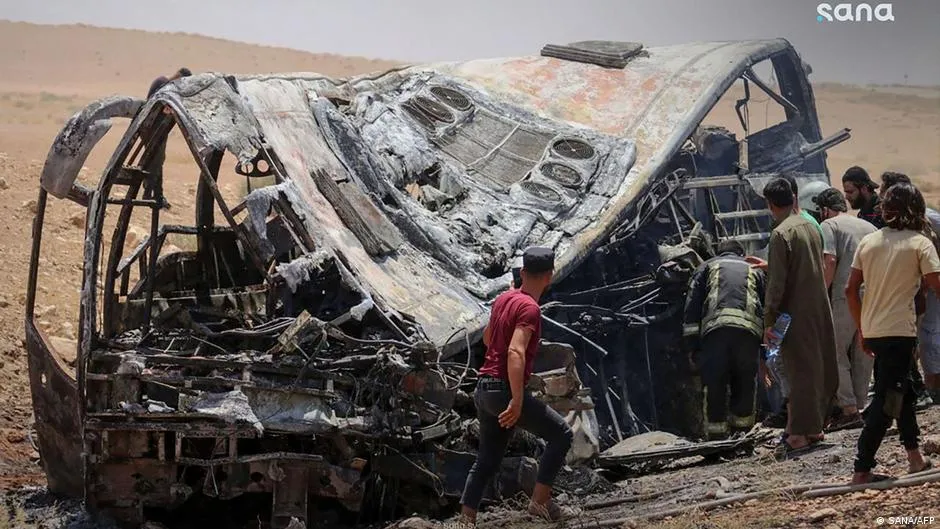
Dozens people were killed in eastern Syria after buses collided on a route described as notorious for deadly accidents. The crash triggered a large-scale rescue operation, highlighting ongoing safety gaps that decision-makers can not treat as routine.
Dozens people have died after buses collided in eastern Syria, and the wreck immediately triggered a large-scale rescue operation. The key detail for anyone tracking risk and resilience is not just the casualty count, it is the location: the route is described as notorious for deadly accidents. That means this was not a one-off event that authorities can simply quarantine as bad luck. It is a signal that known hazards persist in the system, even when people keep showing up with the same public mission: transport people safely.
In crises like this, the first decisions happen fast, often before data catches up. Rescue teams move in because the situation is urgent and visible, and because hours matter when injuries can become fatalities and when secondary dangers can follow. The fact that a large-scale rescue operation was needed tells you the collision was severe enough to overwhelm normal response channels, or at least to require coordination beyond a single site. For executives who manage emergency readiness in any sector, the lesson is familiar even if the industry is different: when incidents happen on “notorious” routes, the response becomes the default strategy. That is expensive in human terms, and it is also expensive in operational terms.
The phrase “notorious for deadly accidents” matters because it points to a persistent failure mode. In transport, recurring fatal incidents usually come from the intersection of enforcement gaps, infrastructure limitations, and behavioral incentives. For example, routes can become dangerous if speed discipline is weak, if maintenance cycles are underfunded or delayed, or if oversight does not reliably reach the places where risk concentrates. Even where regulations exist, implementation can lag when conditions make compliance harder than cutting corners. And in regions with complex governance and security constraints, enforcement capacity can be inconsistent, which increases the odds that the same patterns repeat.
This kind of repeat-danger dynamic also has second-order implications for organizations involved in logistics, passenger transport, and the broader ecosystem that supports them. When an accident happens on a route already known for deadly crashes, stakeholders have a responsibility to move from reactive planning to preventive risk governance. That does not mean teams can instantly eliminate risk. It means the baseline assumption should shift: if the route has a track record for lethal outcomes, then safety management has to treat the route as a high-risk corridor that warrants extra controls, extra training, and extra scrutiny. In other words, incident response is necessary, but it should not be the only strategy.
There is also a communications and policy angle. High-casualty crashes tend to trigger political and public pressure for quick action. That pressure can produce short-term measures that satisfy headlines but do not address the underlying causes. Decision-makers should watch for whether actions focus on visible fixes, like temporary crackdowns, versus structural fixes, like consistent enforcement, route-specific safety standards, and the resources needed to sustain them. If the system’s incentives remain unchanged, the underlying hazard does not disappear. It just waits for the next day, the next vehicle, the next crowded departure.
For peers in charge of risk in similar roles, the strategic takeaway is simple and uncomfortable: when a crash occurs on a route already described as deadly, resilience is not a slogan. It is a discipline. The large-scale rescue operation shows the system is capable of mobilizing in the moment. The more important question for leaders is whether the same urgency is applied to prevention when the moment has not arrived yet. If dozens can die and response resources get pulled into action again, then the operational cost is not limited to emergency responders. It becomes a recurring drag on trust, legitimacy, and continuity.
Eastern Syria’s bus collision and the rescue operation that followed underscore a broader truth for executives and boards: safety is not only about having plans for disasters. It is about whether you can prove that known hazards are being reduced, not merely answered. When the route is described as notorious for deadly accidents, the bar for “we responded well” is not enough. The bar becomes “we reduced the odds next time,” and that starts long before the collision.
This story's Key Insights and Take-aways are locked.
Create a free account to unlock Executive Actions for one credit.
Register to UnlockAlways free for Executives Club members. Join the Club
More in Politics

LA County: DOJ's 20,000 'noncitizen' voter list is 'unreliable,' includes U.S.-born
Preliminary review by Los Angeles County election officials finds errors in the federal list, raising the stakes for voter roll integrity ahead of November.

Trump's $1.5B Pentagon chip investment lands in North Carolina
A $1.5 billion defense infusion for North Carolina chipmaking signals a new era of Pentagon-backed reshoring - here's what it means for the industry.
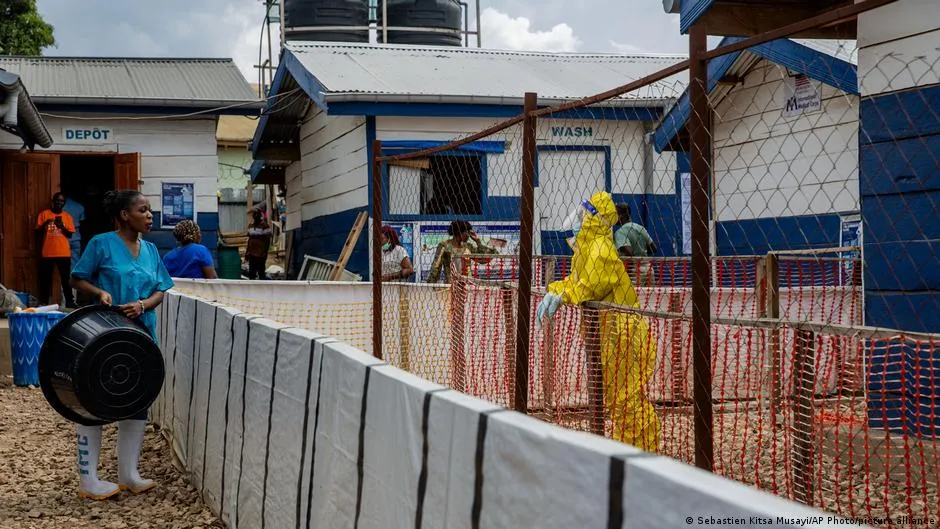
Nigeria confirms first Ebola case in Abuja, a woman just off a Uganda flight
Health Minister Muhammad Ali Pate says the patient flew in from Uganda, putting Africa's latest outbreak on Nigeria's doorstep.