
EU gas stores hit 13-year low, sparking 'winter panic' among traders
With EU gas stocks at 63% heading into winter - far below the 80% average - the UK faces heightened price volatility and a colder-season reckoning.
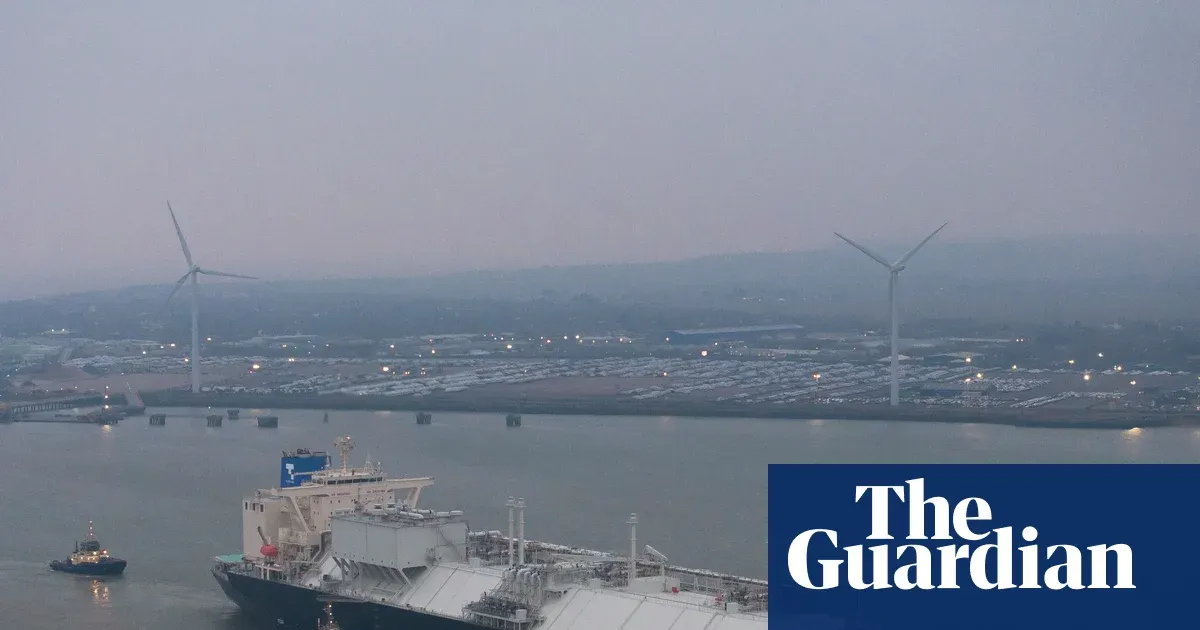
European Union gas storage sits at 63% capacity entering the cooler months, the lowest level in 13 years, triggering what energy traders call 'winter panic.' For UK and EU executives, this means heightened price volatility, potential supply squeezes, and a strategic imperative to hedge energy exposure now.
Europe is heading into winter with a gas storage deficit that has energy traders using the phrase 'winter panic.' The EU's gas stocks were just 63% full in the last week of August, according to data cited by The Guardian - a sharp miss against the 80% average for late August over recent years and among the lowest levels ever recorded for this time of year. That 17-percentage-point gap is not a rounding error; it is the difference between a comfortable buffer and a razor-thin margin for error when heating demand spikes in December and January. For the UK, one of Europe's biggest gas consumers, the exposure is particularly acute, as it relies heavily on imports and interconnectors that draw from the same strained continental system. The numbers are stark: a 13-year low for storage levels at the exact moment when geopolitical supply shocks have already rewired the continent's energy map. This is not a forecast of a crisis - it is a description of the starting line for one. The 'winter panic' label, attributed to experts in the report, reflects a market that has already begun pricing in the risk of cold snaps, LNG cargo diversions, and the possibility that storage will be drawn down to near-empty before spring. For executives who have spent the past two years navigating the post-invasion energy shock, this is a familiar but unwelcome sequel: the structural fragility of European gas supply has not been solved, only papered over by a mild winter and aggressive refilling. Now, with storage at 63% versus the 80% norm, the cushion is gone. The UK's particular vulnerability stems from its position as a net importer with limited domestic storage capacity - historically among the lowest in Europe - meaning it must compete in a global LNG market that is already tight. When EU storage is low, the UK's interconnector flows can reverse, sending gas back to the continent at times of peak demand, a dynamic that has previously spiked UK wholesale prices. The regulatory backdrop adds another layer: the EU has mandated storage targets (80% by November 1) but this year's refill has lagged, partly due to higher summer prices and competition from Asia for LNG cargoes. The Guardian's report notes that the 63% figure is 'well below' the recent average, and experts warn that if winter is colder than average, the drawdown could be brutal. For CFOs and risk officers, the implication is immediate: energy procurement strategies built on last year's assumptions are already outdated. The market is signaling that volatility is not a tail risk but the base case. The second-order effects ripple beyond utilities. Manufacturing, chemicals, and food processing - all gas-intensive sectors - face margin compression if prices spike. The UK's price cap mechanism may shield households partially, but businesses on flexible contracts will feel the full force. The strategic stakes for peers in similar roles are clear: this is the moment to lock in fixed-price contracts, diversify supply sources, and stress-test balance sheets against a scenario where TTF (the Dutch gas benchmark) trades at multiples of its summer average. The 'winter panic' is not just a trader's phrase; it is a boardroom agenda item. The EU's response - whether emergency measures, coordinated LNG purchases, or demand reduction targets - will shape the severity, but the underlying math is unforgiving. With storage at 63%, the continent enters the season with less than two-thirds of its typical buffer. Every degree of cold, every delayed LNG cargo, every geopolitical hiccup will be amplified. For decision-makers, the takeaway is not to panic but to act with the same urgency the traders are already showing. The window to hedge, renegotiate, and secure supply is closing as the heating season approaches. The 13-year low is a fact; the winter is a test. The question is whether executives will treat it as a forecast or a warning.
This story's Key Insights and Take-aways are locked.
Create a free account to unlock Executive Actions for one credit.
Register to UnlockAlways free for Executives Club members. Join the Club
More in Business

Tim Cook steps down as Apple CEO, stays on as chair with $45M equity
The 'Trump whisperer' keeps his White House and Beijing access as Apple navigates tariffs and a $4.6 trillion market cap.

Snowflake shares surge as AI data demand crushes estimates, lifting full-year forecast
Stocks jumped on stronger-than-expected guidance, signaling enterprise AI workloads are accelerating faster than Wall Street priced in.

Tim Cook's 15-year Apple CEO run ends: 3 lessons for any successor
After 15 years, Tim Cook hands Apple to John Ternus - here's how he turned a $350B company into a $4.6T juggernaut.