
Fake 10 Downing Street listing exposes 'unfit' Booking.com, consumer group says
A bogus listing for the Prime Minister's residence slipped past Booking.com's checks, raising fresh questions for travel platforms and their regulators.
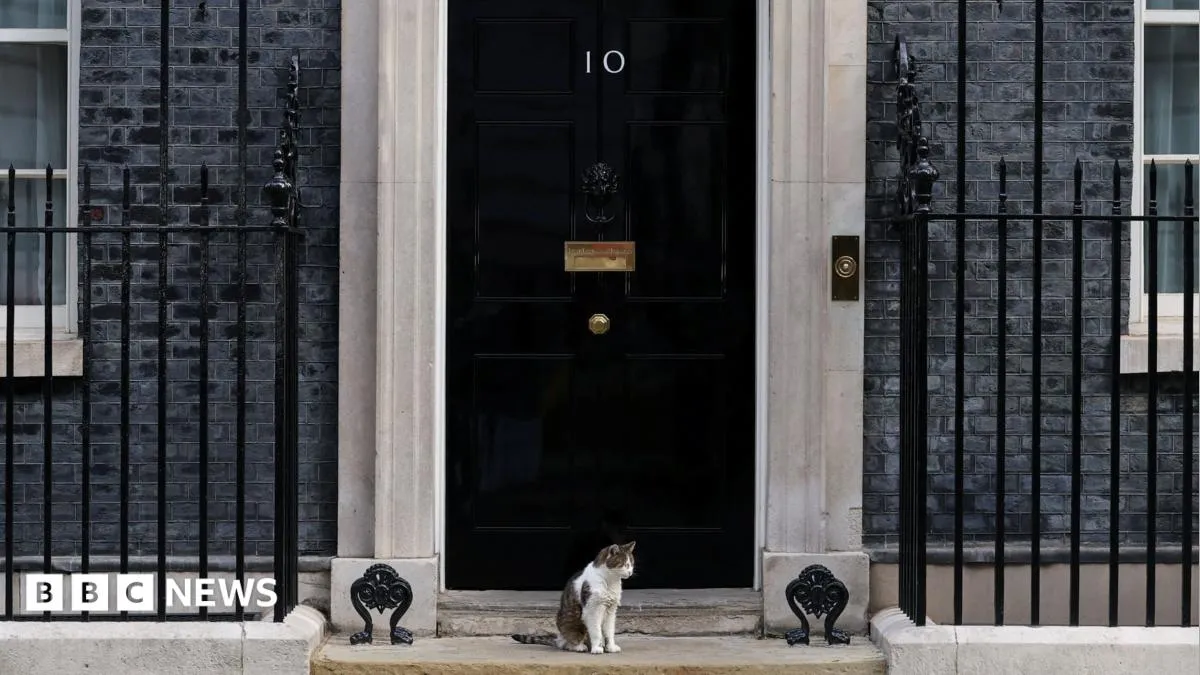
A consumer group found a fake 10 Downing Street listing on Booking.com, calling the platform 'unfit' after its verification failed. For travel executives and investors, the episode signals mounting regulatory and reputational risk around user-generated listings and review integrity.
A fake listing for 10 Downing Street, the official residence of the UK Prime Minister, appeared on Booking.com, and a consumer group says the platform is "unfit" to police its own marketplace. The group's finding directly challenges Booking.com's claim that its verification systems protect users, and the company's response - that the "limited test" was "not a true reflection of the experience of millions of listings or reviews" - does little to answer the core question: how did a listing for the most famous address in British politics get through? For executives across the online travel and marketplace economy, the episode is a case study in how a single bad listing can undermine trust in an entire platform's moderation infrastructure.
The consumer group's test appears to have been deliberately simple: create a listing for a property that any informed person would instantly recognize as fake, then see if the platform catches it. The fact that it did not - and that the listing was live long enough to be documented - suggests that Booking.com's automated and human review layers can miss even the most obvious red flags. The group's verdict, that the platform is "unfit," is harsh but pointed: if a listing for the Prime Minister's house can slip through, what about subtler frauds targeting ordinary travelers? That is the gap the headline promises, and it is the gap the company's response does not close.
Booking.com's defense - that the test was "limited" and not representative - is a standard playbook response, but it carries its own risk. By framing the incident as an outlier, the company implicitly concedes that the test was real and that the listing did appear. The statement does not say the listing was removed, nor does it explain what specific checks failed. For a platform that processes millions of bookings and reviews, the absence of a detailed corrective narrative leaves the consumer group's framing in control of the story. In trust-sensitive industries, the first explanation often becomes the lasting one, and "unfit" is a sticky word.
The broader context matters here. Booking.com operates in a sector where user-generated content - listings, photos, reviews - is the product. Unlike a traditional hotel chain that controls its inventory, Booking.com aggregates properties from hosts and managers, many of whom are small operators. That model scales fast but creates a moderation surface area that is inherently difficult to police. The same dynamics have plagued Airbnb, which has spent years building verification tools after high-profile incidents. The travel industry's regulatory environment is also tightening: the EU's Digital Services Act imposes stricter content moderation duties on platforms, and the UK's Online Safety Act is pushing similar expectations. A fake listing at 10 Downing Street is the kind of anecdote regulators cite when drafting new rules.
For Booking.com, the timing is awkward. The company has been investing heavily in AI-driven review analysis and fraud detection, positioning itself as a technology leader in travel. A basic verification failure undercuts that narrative and gives competitors and critics a concrete example to point to. It also raises questions about the company's quality assurance processes: if a test like this can slip through, what percentage of genuine fraudulent listings are also slipping through? The consumer group's test was not a sophisticated hack; it was a simple, public-facing check. That is what makes it damaging.
The stakes extend beyond Booking.com. Every marketplace platform - from travel to e-commerce to fintech - depends on trust in its listings and reviews. When a platform is shown to be vulnerable to obvious fakes, users begin to discount the entire review ecosystem, which hurts legitimate hosts and small businesses who rely on positive ratings to attract customers. The second-order effect is economic: if travelers cannot trust listings, they book elsewhere or demand lower prices, compressing margins for honest operators. Regulators, meanwhile, gain leverage to demand more transparency around moderation decisions, which raises compliance costs across the industry.
The strategic lesson for executives is not to assume that a single fake listing is a minor incident. In a networked economy, trust is the moat, and a visible breach - even a silly one - can become a regulatory data point and a PR liability. The consumer group chose 10 Downing Street precisely because it is unmissable. The fact that it was missed is the story. Booking.com's response, focused on the test's limits rather than the failure's cause, leaves the platform in a defensive posture. The company will need to show, not just claim, that its systems are improving - and that the next test, limited or not, will fail to find a fake at the most famous address in the country.
This story's Key Insights and Take-aways are locked.
Create a free account to unlock Executive Actions for one credit.
Register to UnlockAlways free for Executives Club members. Join the Club
More in Business
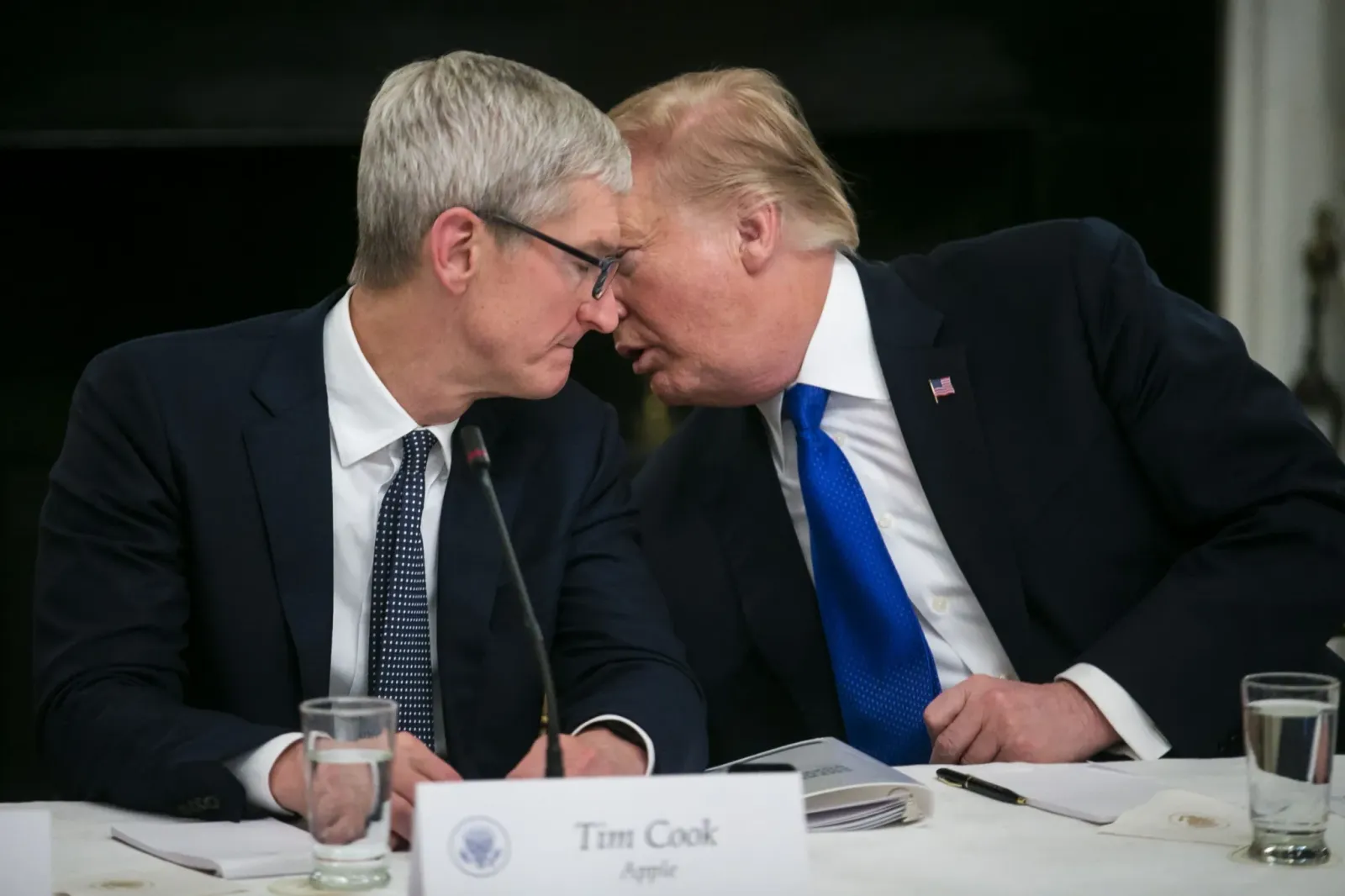
Tim Cook steps down as Apple CEO, stays on as chair with $45M equity
The 'Trump whisperer' keeps his White House and Beijing access as Apple navigates tariffs and a $4.6 trillion market cap.
Snowflake shares surge as AI data demand crushes estimates, lifting full-year forecast
Stocks jumped on stronger-than-expected guidance, signaling enterprise AI workloads are accelerating faster than Wall Street priced in.
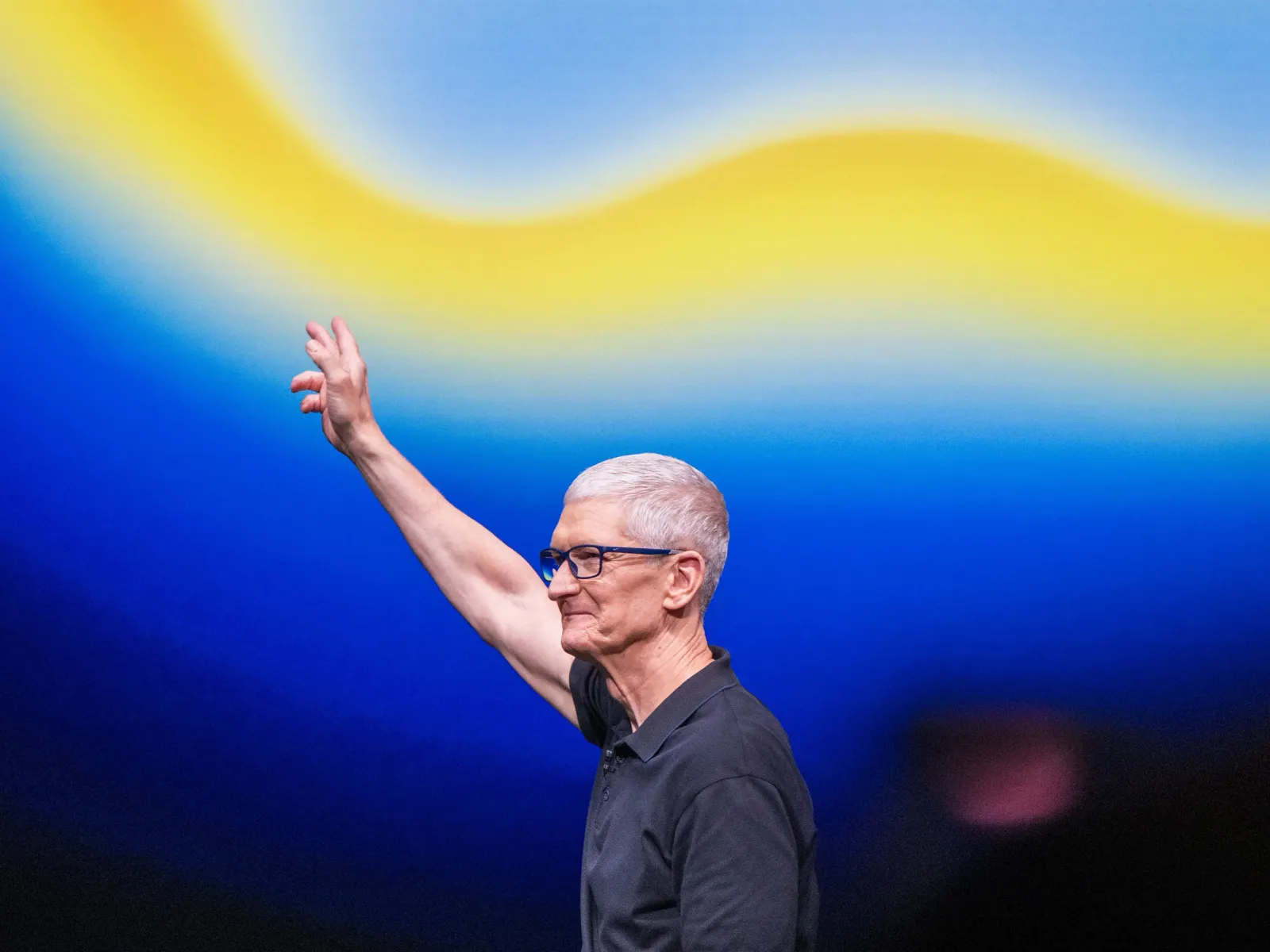
Tim Cook's 15-year Apple CEO run ends: 3 lessons for any successor
After 15 years, Tim Cook hands Apple to John Ternus - here's how he turned a $350B company into a $4.6T juggernaut.