
FIFA’s $13B World Cup windfall comes with dynamic pricing and a cost surge for fans
Business Insider’s Pete Syme traces how North American ticket tactics plus local add-ons stack into fan-unfriendly totals.
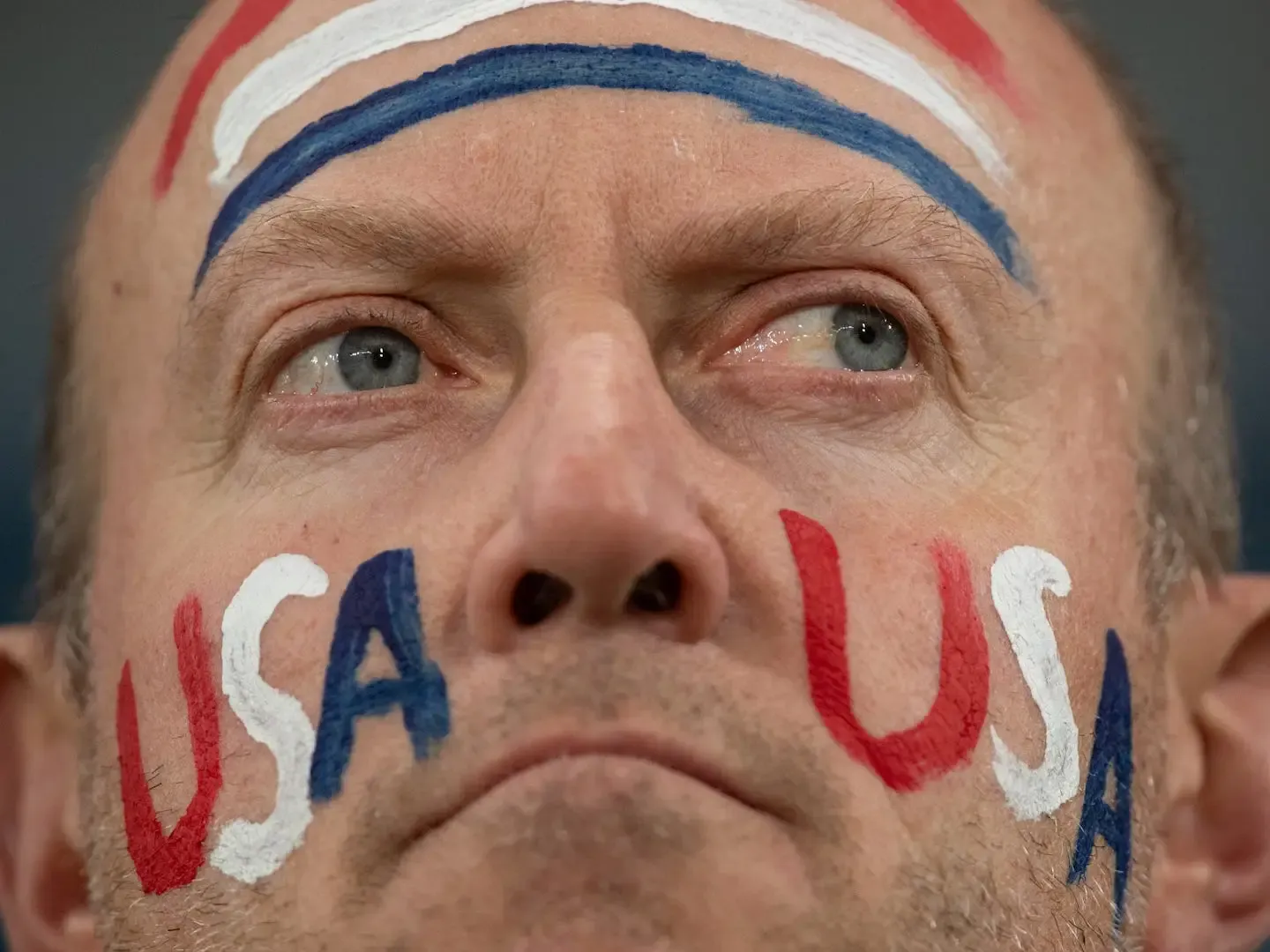
Business Insider reporter Pete Syme investigated why 2026 World Cup ticket prices are so high, citing FIFA’s use of dynamic pricing and its own secondary resale market. The consequence for decision-makers: the tournament is projected to drive $13 billion for FIFA in the 2026 World Cup cycle while fans face rising costs on top of tickets.
The 2026 World Cup is on track to become FIFA’s most profitable tournament ever, with FIFA standing to make $13 billion during the 2026 World Cup cycle. The catch, as Business Insider reporter Pete Syme lays out, is that for many fans the total bill is heading in the opposite direction. Ticket prices are higher than ever, and they do not exist in a vacuum. Flights, hotels, and local transit costs can pile on so aggressively that a meaningful chunk of games end up out of reach for average attendees.
So how did the sport go from global mass appeal to something that looks increasingly like a luxury product? Syme’s investigation points to a specific shift in ticketing behavior: FIFA has adopted practices common in North America, including dynamic pricing and operating its own secondary resale market. Translation: pricing moves with demand, and when fans look for the “right ticket at the right time,” they often land in a resale channel where prices can skyrocket further. In other words, the market mechanics that sports and entertainment brands in the US have normalized are now embedded in the World Cup experience.
That matters because the World Cup, unlike a single city event, is inherently “demand concentrated.” Every match draws a different mix of teams, fan bases, and travel urgency. When you combine that with dynamic pricing, you get a system that can consistently extract higher willingness-to-pay from the most time-sensitive or match-specific buyers. FIFA’s own secondary resale market then adds another layer: even if someone missed the initial primary pricing window, the path to a seat can still be pricey, because resale prices can respond immediately to real-time scarcity.
But tickets are only the first line item. Syme also highlights additional costs fans have to pay, including flights, hotels, and transit to game stadiums. This is where the “second-order” pain shows up for decision-makers and operators: even if organizers wanted to market the World Cup as one fixed package price, the surrounding travel economy effectively acts like an uncapped add-on. When demand concentrates around match days, costs that are normally separate can surge in tandem.
The story gets even more tactical at the local level. Syme points out that some American cities are jacking up transit prices on game days. That detail is small enough to be overlooked, but it is exactly the kind of lever that turns “I can maybe afford the ticket” into “I cannot justify the whole trip.” For fans, transit is a forced cost tied to attendance. For cities and operators, game-day pricing can be a way to manage capacity and monetize surge demand. The overlap between those incentives and FIFA’s demand-responsive ticketing is what makes the overall experience feel less accessible.
Now zoom out to FIFA’s incentive structure. The $13 billion figure for the 2026 World Cup cycle signals a clear financial north star: maximize revenue across the full event footprint, including tickets and resale flows. Dynamic pricing and a first-party secondary resale market are tools that can increase revenue capture across consumer behavior. In many industries, the logic is straightforward: if demand is real and predictable, pricing can be optimized more frequently than in fixed-price models.
For executives on the business side, this creates a playbook that does not just apply to soccer. When one of the biggest global sporting events in history imports North American ticketing practices, it pressures the rest of the market to respond. Boards and investors who oversee ticketing platforms, stadium operators, travel partners, and sports media businesses should take note of how fast “localized” policies can amplify global pricing pressure. If fans feel priced out due to stacked costs, it can change demand patterns, sponsor sentiment, and the long-term brand calculus around accessibility.
And for decision-makers at FIFA-like organizations, the strategic stake is not only how much money the tournament makes, but also how sustainably that revenue can be defended in the court of public perception. Syme’s investigation makes the math feel tight: higher-than-ever ticket pricing plus high surrounding travel and transit costs can turn a mass global event into something that requires a premium travel budget. In the short term, that can boost profits. In the long term, it raises the question every organizer faces once they embrace demand extraction: are you building a festival that invites new fans, or one that quietly selects for only those who can afford every surcharge?
This story's Key Insights and Take-aways are locked.
Create a free account to unlock Executive Actions for one credit.
Register to UnlockAlways free for Executives Club members. Join the Club
More in Business

Anthropic’s Levant Alpöge cracks the Jacobian conjecture after 87 years
A Harvard valedictorian used Claude to hit a 1939 breakthrough, but the missing “why” is the real problem.

Uber buys Delivery Hero for nearly $15B, vaulting to top food delivery outside China
The deal doubles Uber's dual-services footprint and pushes a ride-and-eats bundling play into 50 more markets.

Epic and Google drop settlement bid, forcing rival Android app stores by July 22
Google told the court it is ready to carry third-party app stores starting Wednesday, July 22.