
Fluvoxamine trial cuts long COVID fatigue in 399 adults, improving quality of life
A randomized study shows fluvoxamine, a low-cost antidepressant, meaningfully eases disabling long COVID fatigue versus placebo.
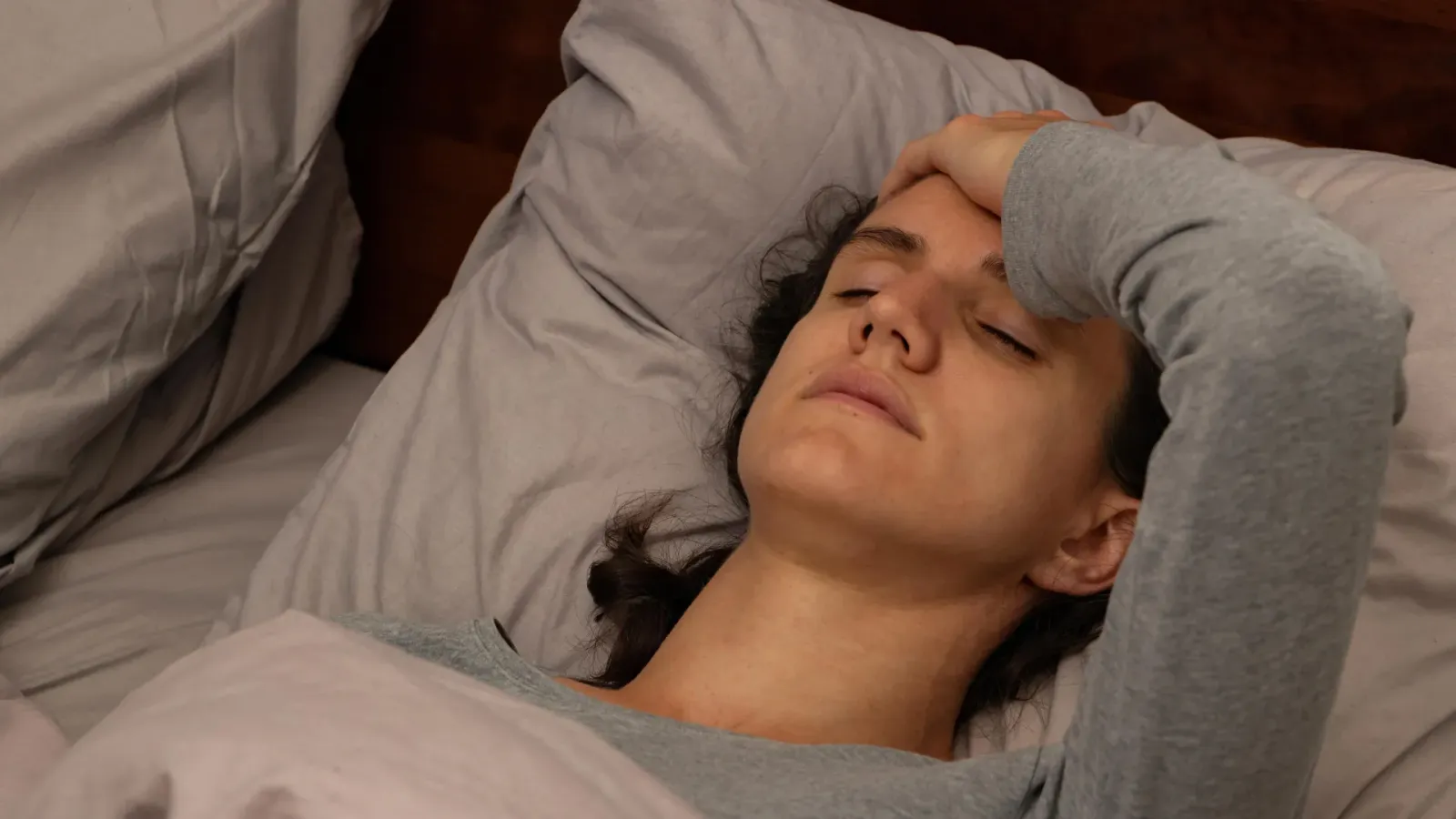
A randomized clinical trial of 399 adults found fluvoxamine significantly reduced fatigue and improved quality of life versus placebo. For decision-makers, this is one of the first medication signals with measurable benefits in long COVID fatigue, sharpening the treatment and investment conversation.
Long COVID fatigue is one of those symptoms that sounds subjective until you live inside it. For many adults, it is not just tiredness. It is crushing, persistent fatigue that chips away at the ability to work, care for family, and function day to day. In a randomized clinical trial involving 399 adults, fluvoxamine, a low-cost antidepressant, significantly reduced fatigue and improved quality of life compared with a placebo. That matters because it is not another “we saw some improvement” headline. It is a measurable benefit from one specific drug against an inert comparator.
So the signal is simple and consequential: in 399 adults, fluvoxamine outperformed placebo on fatigue and quality of life. That places fluvoxamine among the first medications to show meaningful benefits for this disabling condition, according to the study described by ScienceDaily. For executives and board members who track evidence-based breakthroughs, the shape of this story is important. Long COVID has been a difficult therapeutic area, where many interventions struggle to demonstrate consistent, clinically meaningful effects. A randomized trial with a clear comparison is exactly the kind of evidence that can shift stakeholder confidence from “promising” to “actionable.”
There is also a commercial and operational angle hiding inside the word “low-cost.” Drug development and healthcare spending are under constant scrutiny, especially when patient outcomes are uncertain. When a trial points toward a low-cost antidepressant showing benefit in a new indication, it creates a different kind of path for adoption. It can lower barriers for clinicians and health systems that may otherwise hesitate to prescribe or cover therapies without robust outcomes. Even without getting ahead of the data beyond what is reported, the phrase “low-cost” changes the decision math for payers and providers.
Regulators and payers generally care about two things: how well a treatment works and how reliably the evidence supports that claim. Randomized clinical trials with placebo controls are the backbone of that reliability. Here, the trial involved 399 adults, and fluvoxamine significantly reduced fatigue and improved quality of life compared with placebo. That combination matters because fatigue is the headline symptom, but quality of life is the functional outcome that often determines whether an intervention changes real-world experiences. When both move in the right direction, it is easier for decision-makers to justify clinical uptake and coverage discussions.
For boards and executive teams, the second-order implication is about therapeutic category credibility. Long COVID fatigue is a high-friction area for stakeholders because it can touch multiple disciplines at once: primary care, infectious disease, neurology, mental health, and rehabilitation. A signal from an antidepressant can also challenge simplistic assumptions about “cause equals cure.” The body did not provide a mechanistic explanation here, but the observed clinical outcomes are enough to warrant attention. When an antidepressant shows benefit in a long COVID symptom domain, it can open additional research pathways and broaden the set of hypotheses that companies and academic groups will pursue.
Another strategic implication is how this changes the competitive landscape for future trials. ScienceDaily frames fluvoxamine as one of the first medications to show meaningful benefits for long COVID fatigue. Being early in a space is valuable, but being first with measurable efficacy is even more valuable because it can define endpoints, inform trial design, and influence which companies get serious funding to chase related indications. That does not automatically make fluvoxamine a winner for every patient, and this report does not claim universal success. What it does do is establish a benchmark: an intervention that can move fatigue and quality of life in randomized evidence.
Finally, there is the human and reputational stake that executives sometimes underestimate. Long COVID fatigue is a disabling condition, and the study is built around adults who are struggling with it. When a low-cost, established drug class produces clinically meaningful benefit, the story travels quickly across communities of clinicians, patient advocates, and health administrators. That can accelerate adoption cycles, but it can also raise expectations. Decision-makers should treat that pressure as a reason to prioritize evidence quality and outcomes tracking, so uptake matches the trial signal rather than drifting into hope alone.
In short: the trial results reported by ScienceDaily show fluvoxamine significantly reduced fatigue and improved quality of life versus placebo in 399 adults, positioning it among the first medications with meaningful benefits for long COVID fatigue. For executives, this is not just a medical update. It is a proof-of-concept that can redirect research, influence coverage conversations, and sharpen competition around treatments for a condition that has demanded stronger answers.
This story's Key Insights and Take-aways are locked.
Create a free account to unlock Executive Actions for one credit.
Register to UnlockAlways free for Executives Club members. Join the Club
More in Science
2026 Nikon Small World Winners Reveal the Hidden Machinery of Everyday Life
A mycologist's frozen Edinburgh garden became the backdrop for vivid views inside cells, a reminder of what advanced imaging now makes visible to researchers and the industries built on biology.
Study: 1 in 4 depression cases may be a body-clock problem, not a chemical one
A 10,000-person study finds standard antidepressants often fail these patients, but melatonin and morning sunlight may hit the real root cause.

Start-Up Says A.I. Designed a Virus to Attack One Patient's Superbug
If the claim holds up, personalized phage therapy could become a new frontline weapon against antibiotic resistance - but proof is far from final.