
Forbes suspends rankings after $6M payment to ex-editor surfaces
The magazine is investigating a payment from Shook Research's founder to its former top editor and has canceled its October Las Vegas summit.
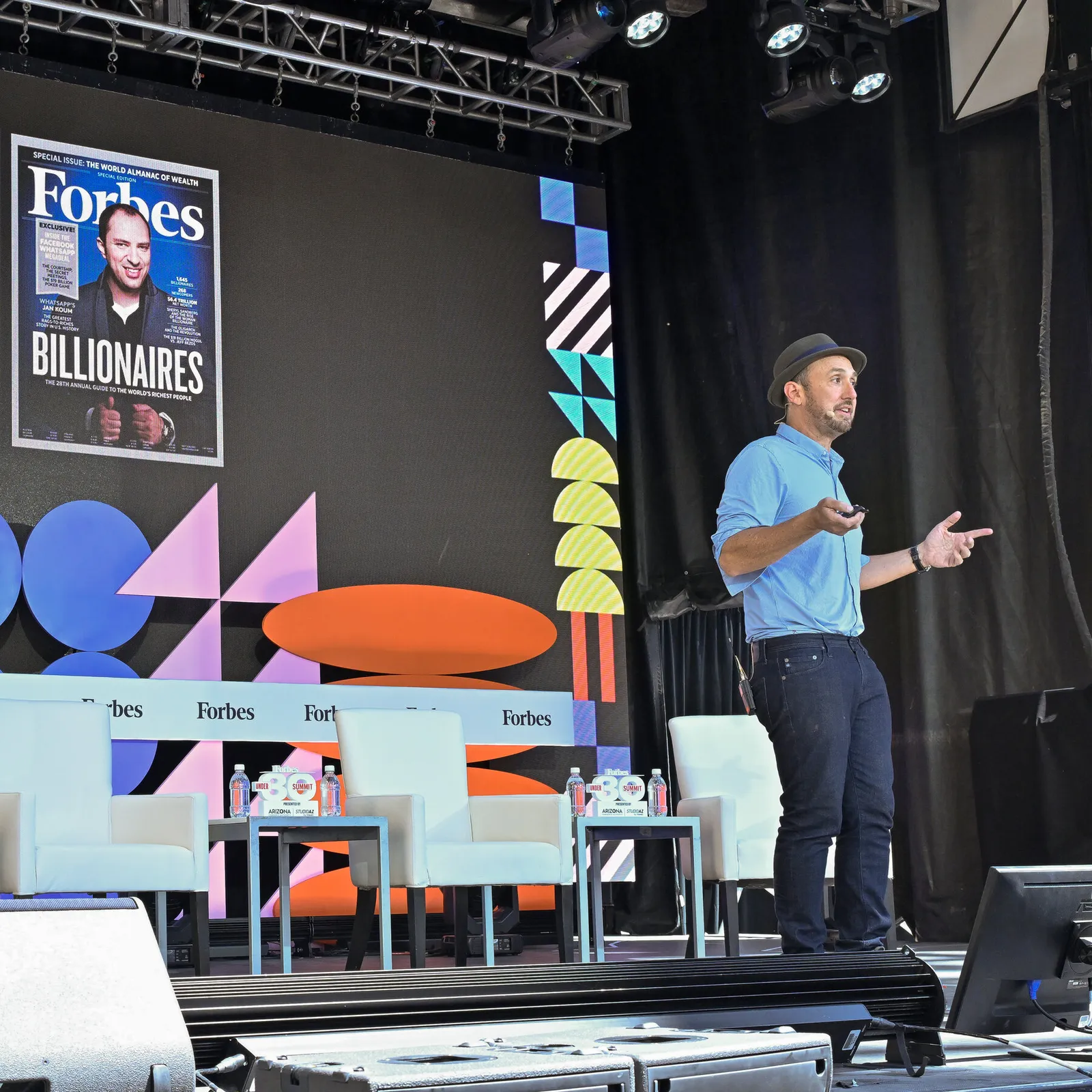
Forbes and Shook Research have suspended their rankings partnership amid an investigation into a $6 million payment from Shook's founder to Forbes' former top editor. The move, which also cancels an October summit in Las Vegas, raises questions about the integrity of industry rankings and the business models behind them.
Forbes has suspended its rankings partnership with Shook Research and canceled an October summit in Las Vegas as it investigates a $6 million payment from Shook's founder to Forbes' former top editor. The magazine confirmed it is reviewing the payment, which has cast a shadow over the credibility of its financial advisor rankings and the broader practice of selling prestige to wealth managers. The cancellation of the Las Vegas event, a major networking and revenue opportunity, signals that the fallout is immediate and operational, not just reputational.
The payment in question went from the founder of Shook Research, a data provider that powers Forbes' advisor rankings, to a former top editor at the magazine. While the source does not name the individuals, the arrangement suggests a direct financial link between a company that benefits from favorable placement and the editorial gatekeeper responsible for those placements. For a publication that has built its brand on lists and rankings, this is a potential breach of the firewall between editorial independence and commercial interest. The investigation will likely probe whether the payment influenced which advisors appeared on Forbes' lists and how they were ranked.
This incident lands at a delicate moment for media companies that have increasingly leaned on rankings, awards, and events as reliable revenue streams. Forbes, like many legacy outlets, has diversified into branded content, summits, and data-driven products to offset declining print advertising. Rankings are particularly lucrative because they attract high-value advertisers - financial firms, law firms, and consultancies - who pay premium rates to be associated with a trusted seal of approval. But that trust is the entire product. A single credible allegation of pay-for-play can devalue the franchise overnight, as advertisers and consumers reassess whether the list reflects merit or money.
For Shook Research, the stakes are existential. The company's business model depends on its reputation as an independent arbiter of advisor quality. If the investigation confirms that its founder paid a senior editor, Shook's data could be seen as compromised, and its partnerships with other publications - many of which license similar rankings - could unravel. The suspension by Forbes is a warning shot to the entire rankings ecosystem, which includes competitors like Barron's, Financial Times, and local business journals. These outlets all face the same tension: rankings generate revenue, but they only work if readers believe they are unbiased.
The cancellation of the October summit in Las Vegas is a concrete financial hit. Summits are not just content events; they are sales engines where sponsors pay six-figure sums for speaking slots, branding, and access to wealthy attendees. For Forbes, losing that event means lost revenue and a gap in its events calendar. For advisors who had planned to attend, it is a missed networking opportunity and a signal that the brand's halo has dimmed. The timing is also awkward: the wealth management industry is already under regulatory scrutiny for conflicts of interest, and this episode gives regulators and consumer advocates fresh ammunition.
For executives across media, finance, and any industry that relies on third-party validation, this is a governance case study. The core lesson is that conflicts of interest are not just ethical problems; they are business risks that can destroy value in days. Boards and CEOs should ask whether their own organizations have similar vulnerabilities - undisclosed payments, informal arrangements, or blurred lines between sales and editorial. The Forbes-Shook situation shows that even established, trusted brands are not immune. The investigation's outcome will be watched closely, but the reputational damage is already done, and the industry will be dealing with the fallout for months.
For decision-makers, the immediate takeaway is to audit any ranking, award, or certification program your company participates in or sponsors. Understand who controls the data, how placements are determined, and whether any financial relationships exist between the ranking provider and the editorial team. If you are an advisor who has used Forbes' rankings to win clients, you may need to diversify your marketing strategy. If you are a media executive, this is the moment to reinforce the wall between sales and content, and to ensure that any payment from a ranked entity is disclosed and reviewed. The $6 million question is not just about one payment; it is about whether the entire rankings industry can survive a crisis of trust.
This story's Key Insights and Take-aways are locked.
Create a free account to unlock Executive Actions for one credit.
Register to UnlockAlways free for Executives Club members. Join the Club
More in Business
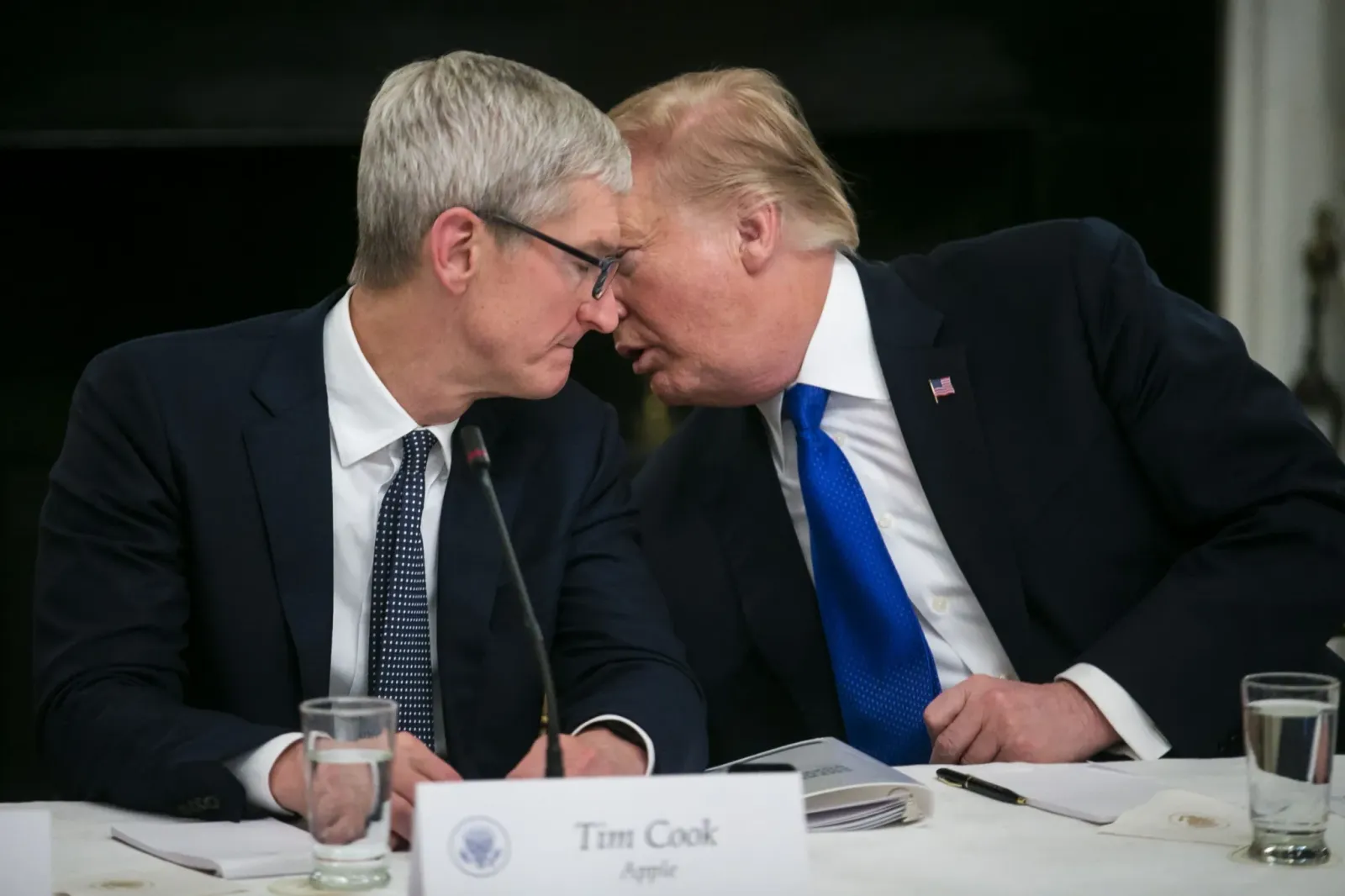
Tim Cook steps down as Apple CEO, stays on as chair with $45M equity
The 'Trump whisperer' keeps his White House and Beijing access as Apple navigates tariffs and a $4.6 trillion market cap.

Snowflake shares surge as AI data demand crushes estimates, lifting full-year forecast
Stocks jumped on stronger-than-expected guidance, signaling enterprise AI workloads are accelerating faster than Wall Street priced in.
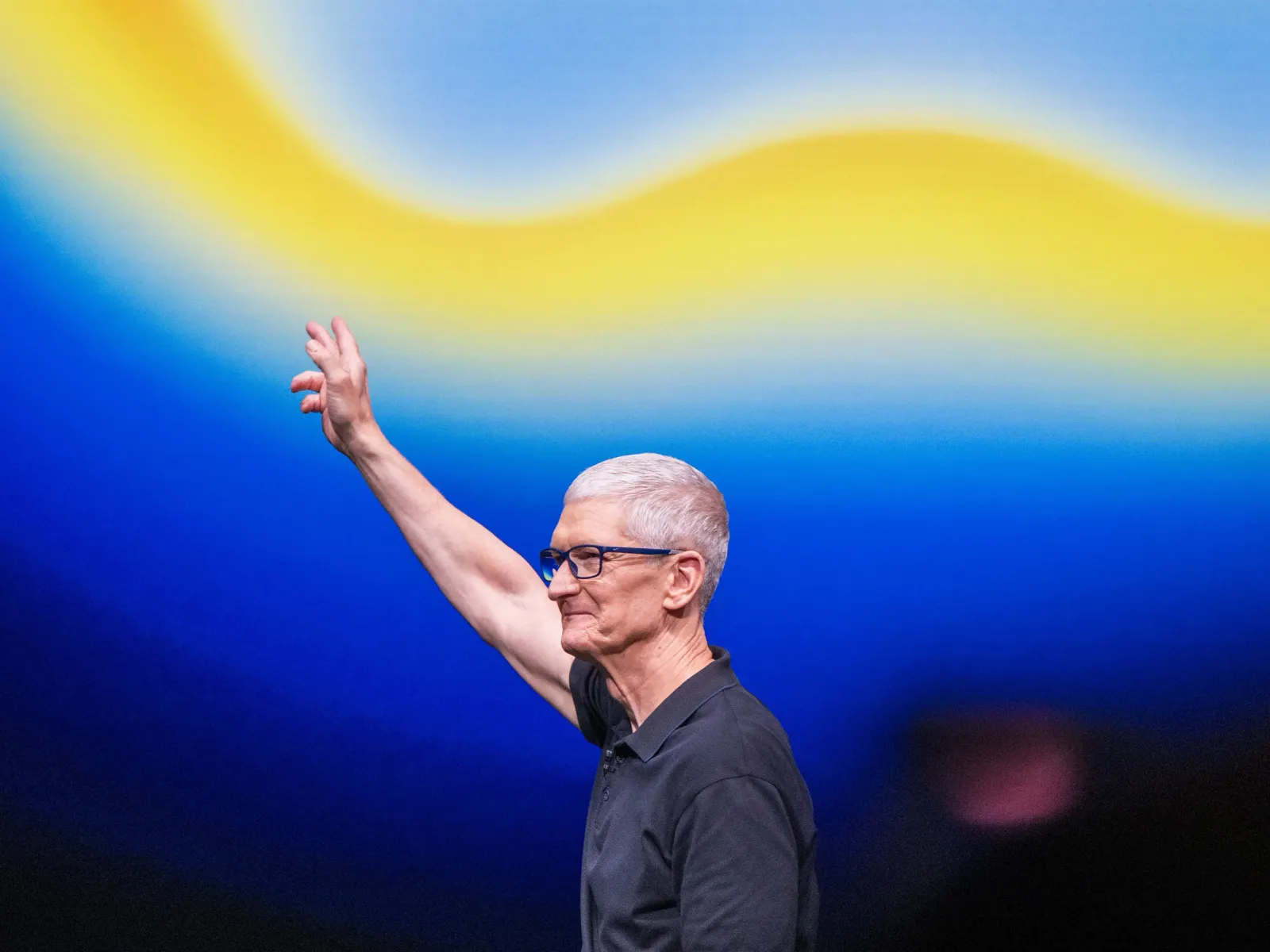
Tim Cook's 15-year Apple CEO run ends: 3 lessons for any successor
After 15 years, Tim Cook hands Apple to John Ternus - here's how he turned a $350B company into a $4.6T juggernaut.