
Ghanaian nationals ask ICC to investigate South Africa xenophobic violence
A legal escalation could reshape how migrants, police, and governments handle mass violence risk in the region.
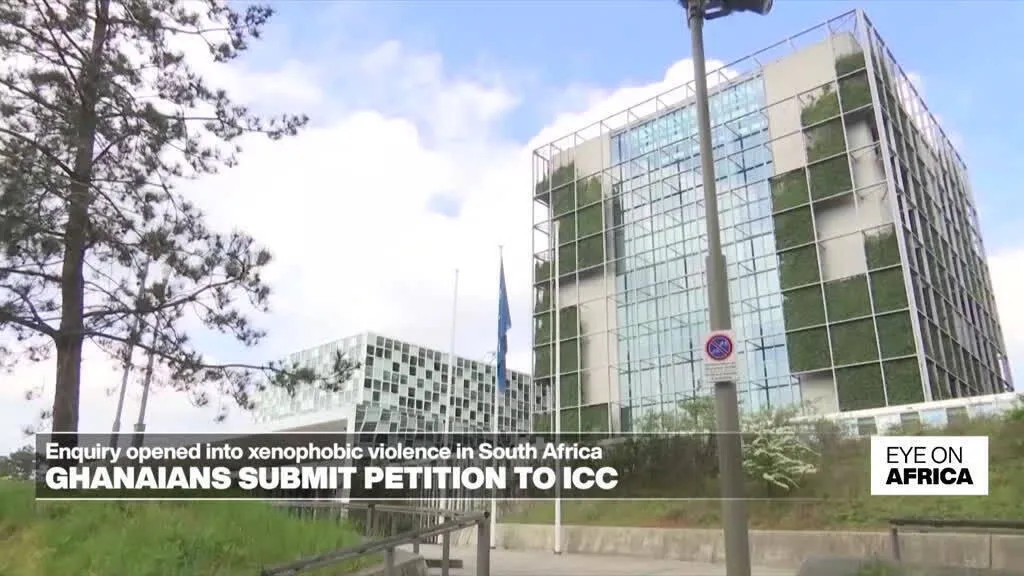
Ghanaian nationals have submitted a request to the ICC asking for an investigation into months of xenophobic violence against migrants in South Africa. The move signals to decision-makers that accountability mechanisms are tightening, with potential ripple effects for regional stability and risk management.
Ghanaian nationals have submitted a request to the ICC calling for an investigation into months of xenophobic violence against migrants in South Africa. For executives and board members, this is not just a human-rights headline. It is a spotlight on what happens when cross-border migration, local politics, and enforcement capacity collide, and then spill into repeated violence.
That ICC request matters because it raises the probability that the violence will be treated as more than a series of local incidents. The call for investigation is, in practical terms, an attempt to move the story from national or municipal responsibility into an international accountability frame. When that shift happens, organizations operating in the affected countries typically see more scrutiny from partners, governments, insurers, and even customers who do not want reputational or compliance exposure tied to instability.
The background, at the risk level, is straightforward. Xenophobic violence is rarely a sudden, one-off event. It usually builds through months of hostility, discriminatory narratives, and inconsistent protection of targeted groups. Even without getting into case-by-case details, months of reported violence implies patterns: who is targeted, where incidents cluster, and whether authorities respond quickly enough to deter copycat behavior. An ICC inquiry request turns those patterns into something that stakeholders will have to assume is being evaluated for serious wrongdoing.
At the same time, the region is facing overlapping security pressures. France 24 also reports that around 20 people die in an AFD attack in Eastern DRC as an Islamic State affiliated group steps up attacks. That detail is crucial for decision-makers because it shows a broader security ecosystem, not isolated flashpoints. When militant activity escalates, governments tend to redirect resources toward counterterrorism. That can crowd out other priorities, including crowd control, migrant protection, and impartial policing. The result is a higher probability that civilians, including migrants, can become collateral in different kinds of violence at once.
So what does this mean for boards and leadership teams thinking beyond the immediate headlines? First, it raises the compliance temperature around operations and supply chains. Companies with staff, contractors, or customers connected to South Africa and the wider region may face increased due diligence expectations from partners and investors. Second, it shifts the reputational risk calculation. Even if a company is not directly involved in violence, an ICC-driven investigation can increase media coverage and political pressure, which can turn “operational risk” into “governance risk” quickly.
There is also a third pressure point, and it is not security at all. France 24 notes that coconut trees, once a common site on Ivory Coast coastlines, are slowly disappearing under renewed waves of deforestation and rapid urbanisation. While this may sound like a separate story, it can become linked at the margins: land-use change and coastal impacts can intensify local economic stress, which can in turn increase social tensions. In other words, environmental degradation can amplify the conditions under which communities blame outsiders or compete more aggressively over jobs, housing, and access to resources.
Put together, these stories outline a regional risk stack: xenophobic violence in South Africa, escalating militant attacks in Eastern DRC, and environmental pressures in Ivory Coast. For executives, the second-order implication is that risk management cannot be siloed. Legal risk from international bodies, security risk from armed groups, and social and environmental risk from land change can reinforce one another. That is exactly the kind of complexity boards are expected to oversee.
Strategically, peers should assume that the ICC request will influence how governments and institutions talk about responsibility. When investigations become plausible, public authorities often face more pressure to demonstrate credible safeguards, and private actors face more pressure to prove they are not asleep at the wheel. For leaders in finance, risk, human resources, and operations, the right response is to treat these as governance signals, not just news items, and to stress-test how quickly their policies, incident response plans, and partner vetting can adapt if conditions deteriorate further.
This story's Key Insights and Take-aways are locked.
Create a free account to unlock Executive Actions for one credit.
Register to UnlockAlways free for Executives Club members. Join the Club
More in Politics

LA County: DOJ's 20,000 'noncitizen' voter list is 'unreliable,' includes U.S.-born
Preliminary review by Los Angeles County election officials finds errors in the federal list, raising the stakes for voter roll integrity ahead of November.

Trump's $1.5B Pentagon chip investment lands in North Carolina
A $1.5 billion defense infusion for North Carolina chipmaking signals a new era of Pentagon-backed reshoring - here's what it means for the industry.
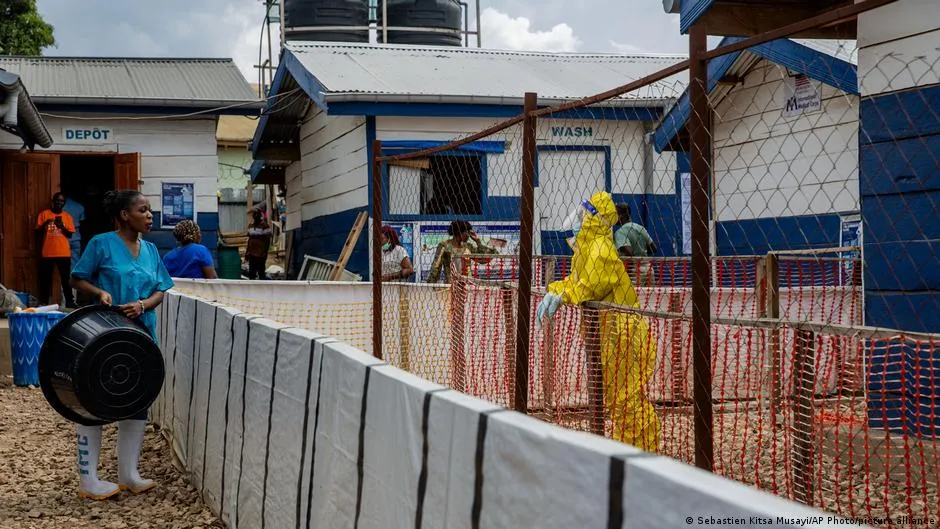
Nigeria confirms first Ebola case in Abuja, a woman just off a Uganda flight
Health Minister Muhammad Ali Pate says the patient flew in from Uganda, putting Africa's latest outbreak on Nigeria's doorstep.