
GM bets on sodium-ion batteries to scale energy storage and AI data centers
GM is expanding efforts tied to next-generation sodium-ion batteries, aiming to ride growth in storage and data center power.
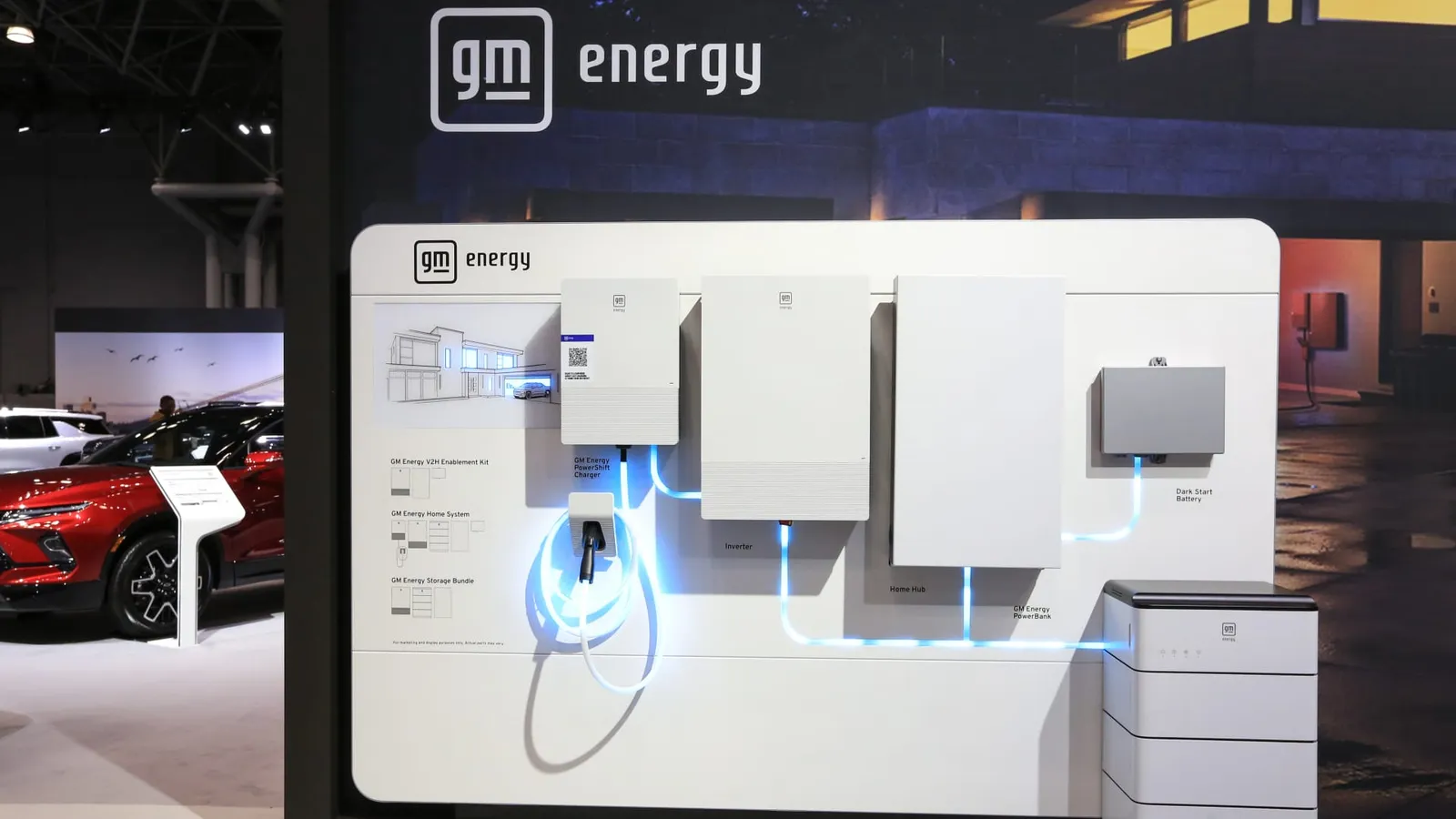
GM is expanding efforts to capitalize on expected growth in energy storage and data centers, alongside next-generation sodium-ion battery development. For decision-makers, it signals where automakers and industrial players may seek future growth as power demand and grid flexibility become the bottleneck.
GM is expanding efforts to capitalize on the expected growth of energy storage and data centers, while also pushing development of next-generation sodium-ion batteries. In plain terms: GM wants to be more than a car company. It is positioning itself to profit from the way modern tech eats electricity and the way utilities try to keep the lights steady.
Why this matters now is simple. Energy storage and data centers are both tied to power, reliability, and scale. Data centers need more electricity, and the grid needs more flexibility, which is where energy storage comes in. GM’s move links those dots by pairing infrastructure-adjacent demand (storage and data center growth) with battery chemistry work (sodium-ion) that could support new deployment cycles. The story is not “batteries for cars.” It is batteries as an industrial enabler.
Sodium-ion enters this because it is part of a next-generation battery pathway. The source specifically points to “next-generation sodium-ion batteries,” and that framing is important. Battery chemistry is not just a tech hobby. Different chemistries can change cost curves, supply chain dependencies, and how fast manufacturers can scale. In the executive world, chemistry choices often boil down to two questions: can you source critical inputs reliably, and can you build at a competitive cost when demand spikes.
If GM can translate sodium-ion development into products that fit energy storage and power-hungry facilities, it also changes the company’s risk profile. Automakers are exposed to consumer cycles and vehicle adoption timing. Energy storage and data center demand, by contrast, tend to be pulled forward by infrastructure builds and compute expansion. Even if growth is “expected” rather than guaranteed, the direction is clear enough that incumbents are already looking for ways to be in the room when capacity gets planned.
There is also a regulatory and policy backdrop that tends to favor grid-scale and emissions-related investments, even when rules differ by region. Across many markets, regulators push for more clean energy integration, resilience, and reduction of carbon intensity. Storage supports those goals by smoothing supply and demand and enabling better use of intermittent resources. Data centers face their own scrutiny through energy sourcing and efficiency requirements. When oversight tightens, operators often seek equipment that helps meet reliability and sustainability targets. Batteries sit right in the center of that operational reality.
For GM, the strategic twist is that the battery business and the energy business can reinforce each other. Storage deployments typically require a steady supply of systems, not just prototypes. Data centers, meanwhile, are decision heavy. They need robust power delivery, backup capability, and ways to manage load. If GM’s sodium-ion work aligns with those deployment needs, it can create a compounding advantage: the more credible the battery solution becomes for storage and power continuity, the easier it is to win hardware and implementation opportunities linked to data center growth.
This also speaks to second-order board-level thinking. If GM expands efforts in this direction, management will likely have to decide how to allocate capital across R&D, manufacturing scale, and partnerships in energy markets. Battery development is capital intensive and timeline sensitive. Boards will care about milestones, unit economics, and the credibility of commercialization plans, especially when the demand side is framed as “expected growth” rather than immediate revenue.
For peers, the implication is that the line between auto and energy is getting blurrier. The source’s headline and summary both point to a broad corporate objective: capitalize on energy storage and data centers and advance sodium-ion. That combination suggests automakers and industrial incumbents may increasingly compete for influence in the power stack, not just the transportation stack. If you are a CEO, CFO, or board member, the question is whether your company is building optionality in the same direction, and whether you can move faster than competitors when demand shifts from “planning” to “procurement.”
This story's Key Insights and Take-aways are locked.
Create a free account to unlock Executive Actions for one credit.
Register to UnlockAlways free for Executives Club members. Join the Club
More in Technology

OpenAI says 10,000 agents cracked a 90-year math problem in 88 hours
The company's claim is audacious, but one mathematician is pushing back. Here's what it means for AI-driven discovery.
Meta still serves child sexual abuse ads on Instagram in India - BBC report
A new report following the BBC Eye investigation says the ads are still there - what it signals for every platform with a self-serve ad engine.

White House yanks 'Build the Wall' game after Tetris Company copyright warning
The administration's arcade game vanished in hours - and the takedown playbook every brand can learn from.