
Goodyear's turnaround is burning cash - can it refinance in time?
The tire maker's restructuring is consuming cash as it tries to refinance years of debt - here's what's at stake for the company and its investors.

Goodyear's ongoing turnaround plan is burning cash as the company restructures, refinances, and pays down debt. For executives and investors, the key risk is whether the company can stabilize its balance sheet before cash runs short.
Goodyear's turnaround plan is burning cash - that's the blunt reality behind the company's ongoing effort to restructure its business, refinance its obligations, and pay down years of accumulated debt. The tire maker is in a race against its own balance sheet, and the clock is ticking. The company has been working on this turnaround for some time, but the process is expensive. Restructuring typically involves closing or consolidating plants, cutting workforce, and investing in new technology - all of which require upfront capital. Meanwhile, the company still has to service its existing debt, which eats into cash flow. The result is a cash burn that can't continue indefinitely.
For context, Goodyear is one of the world's largest tire manufacturers, with a history dating back over a century. But the industry has faced structural challenges: rising raw material costs, intense competition from low-cost producers, and the shift toward electric vehicles, which require different tire specifications. These pressures have squeezed margins and made it harder to generate the cash needed to fund a turnaround. The refinancing piece is critical. The company needs to refinance its debt to extend maturities and reduce interest costs. But refinancing is only possible if lenders have confidence in the company's ability to generate future cash flows. If the turnaround plan stumbles, or if credit markets tighten, refinancing could become more expensive or even unavailable. That would force the company to make even deeper cuts or seek emergency financing.
The stakes go beyond Goodyear itself. The company's struggles are a bellwether for the broader tire industry, which is grappling with the same headwinds. Competitors are watching to see whether Goodyear's restructuring becomes a template for survival - or a cautionary tale. For executives in similar positions, the lesson is that a turnaround plan must be funded, not just announced. Cash is the fuel that keeps the engine running. Investors are also paying close attention. A successful turnaround could unlock significant value, but the path is fraught. The market is weighing the potential upside against the risk of a cash crunch. For now, the company's fate hinges on execution: can it cut costs fast enough, refinance on favorable terms, and return to profitability before the cash runs out?
The broader economic environment adds another layer of uncertainty. Interest rates remain elevated, making debt more expensive to service and refinance. A slowdown in consumer spending could hit tire demand, further pressuring revenue. And supply chain disruptions, while easing, still pose risks. All of these factors make the turnaround plan more challenging - and more urgent. For boards and CEOs in capital-intensive industries, Goodyear's situation is a reminder that restructuring is a marathon, not a sprint. It requires a clear-eyed assessment of cash needs, a realistic timeline, and a willingness to make tough decisions early. The companies that succeed are those that manage their balance sheets as carefully as their operations. Goodyear's next few quarters will show whether it can do both.
This story's Key Insights and Take-aways are locked.
Create a free account to unlock Executive Actions for one credit.
Register to UnlockAlways free for Executives Club members. Join the Club
More in Business
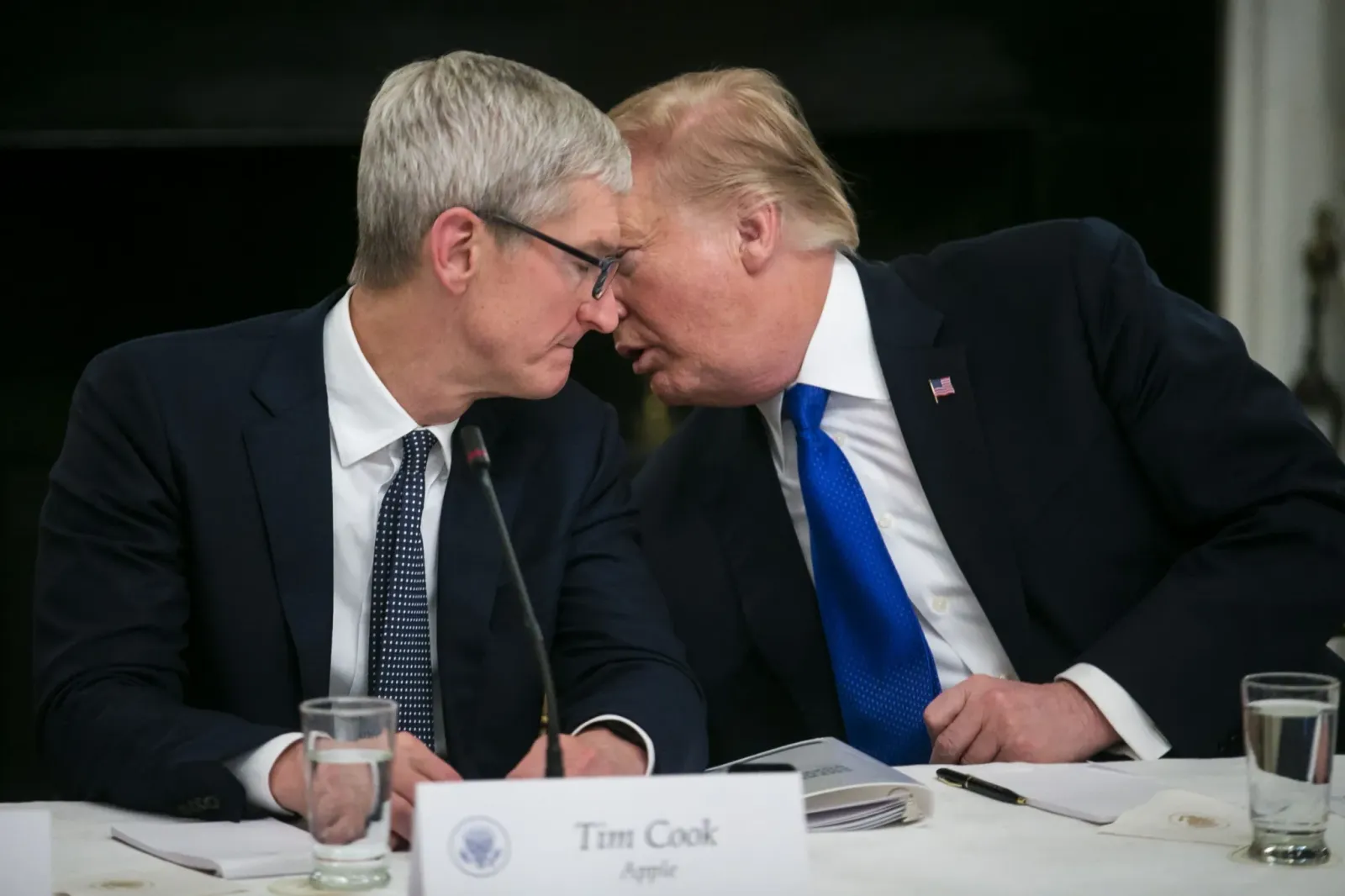
Tim Cook steps down as Apple CEO, stays on as chair with $45M equity
The 'Trump whisperer' keeps his White House and Beijing access as Apple navigates tariffs and a $4.6 trillion market cap.
Snowflake shares surge as AI data demand crushes estimates, lifting full-year forecast
Stocks jumped on stronger-than-expected guidance, signaling enterprise AI workloads are accelerating faster than Wall Street priced in.
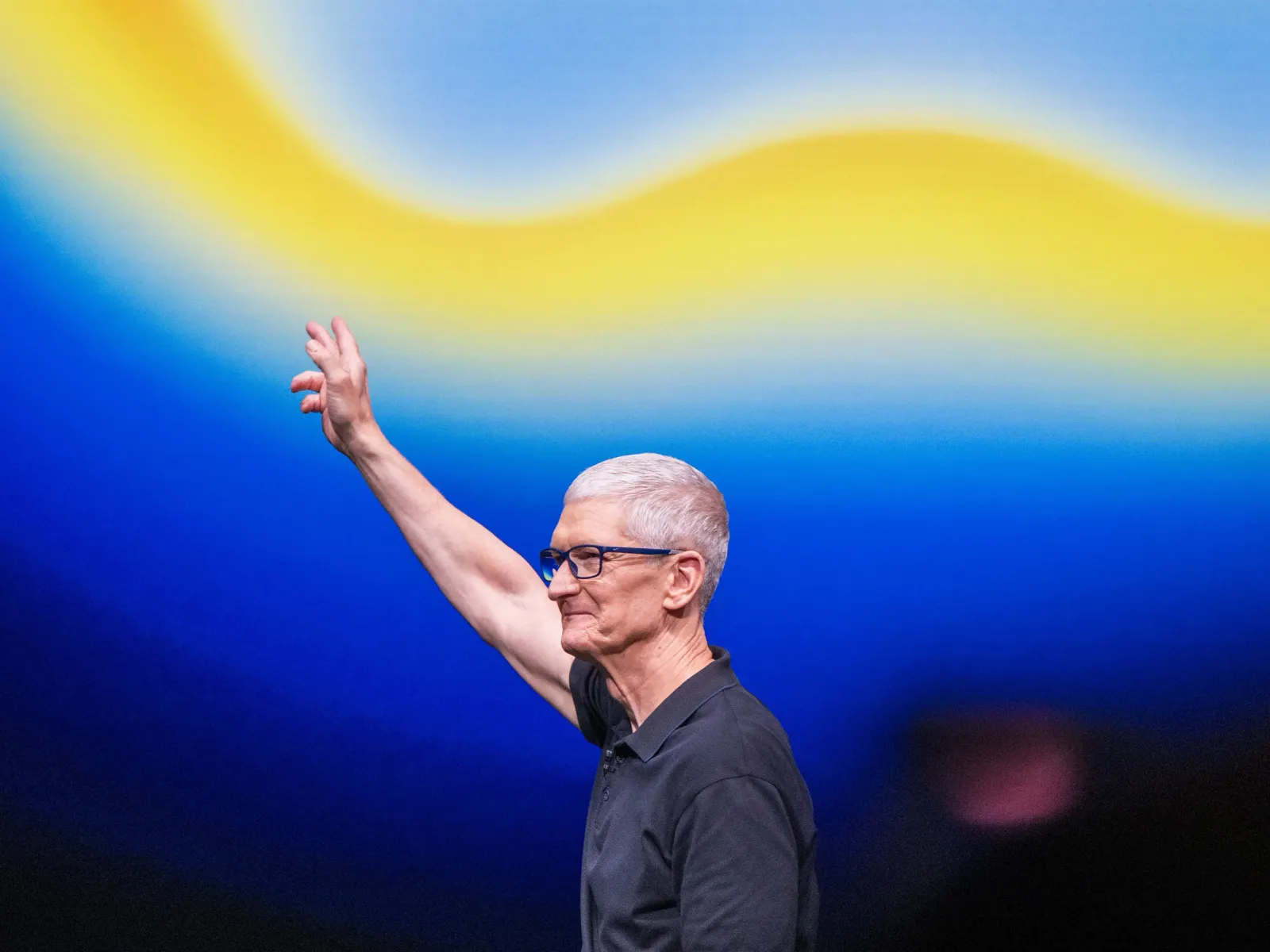
Tim Cook's 15-year Apple CEO run ends: 3 lessons for any successor
After 15 years, Tim Cook hands Apple to John Ternus - here's how he turned a $350B company into a $4.6T juggernaut.