

Google Escapes Ad Tech Breakup, But Judge Orders Undisclosed Fixes
The ruling spares Google's ad empire from a forced split, but leaves advertisers and rivals guessing what changes are coming.
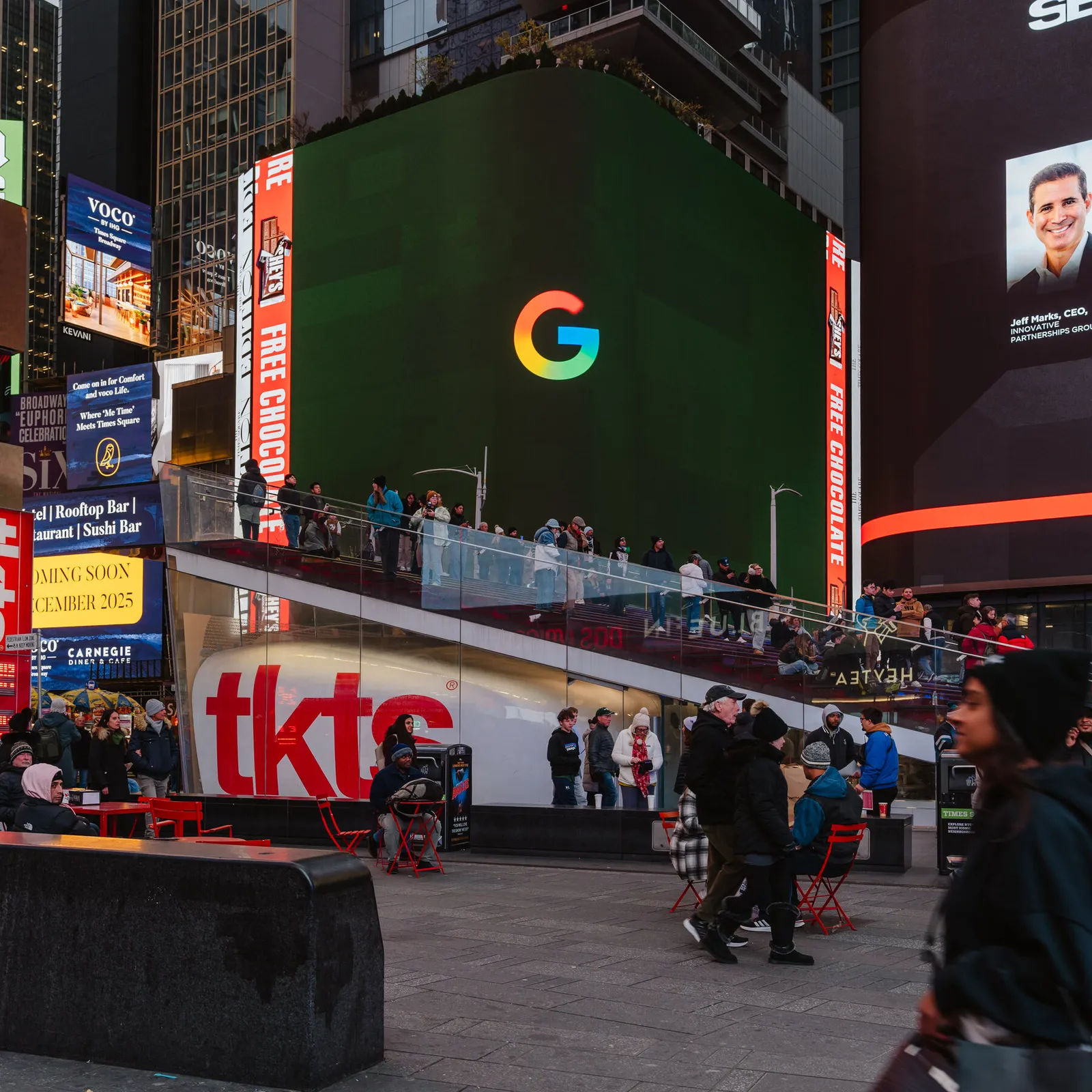
A federal judge ruled that Google will not have to break up its ad tech business, but ordered unspecified changes to address antitrust concerns. The decision spares Google the most drastic remedy while leaving the industry uncertain about the scope of required fixes.
Google just dodged the biggest antitrust bullet in its ad tech business. A federal judge ruled that the company will not have to break up its advertising technology empire, but ordered it to make changes to address competition concerns. The exact measures were not disclosed publicly, leaving the industry to guess what comes next. For a company that has spent years fighting off regulators on multiple fronts, this is a clear win - but it is not a clean one. The judge's decision to stop short of a forced divestiture signals that the court sees remedies short of structural separation as sufficient, yet the lack of transparency creates a new layer of uncertainty for everyone who depends on Google's ad tools.
The ruling is a major reprieve for Google, which had faced the threat of having to sell off pieces of its ad tech stack - the interconnected system that matches advertisers with publishers across the open web. That stack includes the tools publishers use to sell ad space, the exchange where bids are placed, and the network that connects buyers and sellers. Critics have long argued that Google controls too much of this pipeline, giving it the power to set terms and squeeze margins. The judge's decision to avoid a breakup suggests that the court believes more targeted fixes can restore competition without the disruption of a structural split. But because the measures were not made public, the practical impact remains a black box.
For advertisers and publishers, the immediate question is what those changes will be. If the remedies are limited to tweaks in how Google operates its ad exchange or adjusts its auction rules, the market may see little disruption. But if the judge requires Google to open up its systems, change how it bundles products, or alter its data-sharing practices, the ripple effects could be significant. Businesses that rely on Google's ad tech to buy or sell digital advertising now face a period of planning under uncertainty. They cannot model for changes they cannot see, and that uncertainty itself has a cost - in strategy, in budgeting, and in negotiating leverage with Google.
The ruling also carries weight beyond Google. It sets a precedent for how courts might handle other antitrust cases against tech giants, many of which are still winding through the system. While each case is fact-specific, the willingness of this judge to consider remedies short of a breakup could influence how regulators and defendants approach future negotiations. For executives at companies that depend on Google's ad tech - whether as a revenue channel or a cost center - the takeaway is that the status quo is not fully intact. The company has been told to change something, but the scope of that change is still a mystery.
Strategically, Google now has room to shape the specifics of the remedies behind closed doors. The judge's decision to keep the measures confidential suggests that some details may be commercially sensitive, but it also means that Google can potentially negotiate the implementation in a way that minimizes disruption to its business. That is a powerful position to be in. Competitors and customers, meanwhile, are left to watch for signals - any hint of what the judge ordered, how Google plans to comply, and what the timeline looks like. The lack of public detail is not just an oversight; it is a strategic variable that affects how everyone in the ad tech ecosystem plans their next move.
For boards and executives watching this space, the key is to prepare for multiple scenarios. If the changes are cosmetic, the competitive landscape stays roughly the same. If they are substantive - say, requiring Google to make its exchange more transparent or to stop favoring its own tools - then advertisers and publishers could see new options emerge. The ruling does not resolve the underlying antitrust questions; it just moves them from the courtroom to the compliance phase. That means the fight over Google's ad tech dominance is far from over. It has simply entered a new, less visible stage.
What should decision-makers do now? First, monitor Google's public statements and any regulatory filings for clues about the remedies. Second, assess your own dependency on Google's ad tech and stress-test what a meaningful change would mean for your operations. Third, recognize that this ruling is a signal to the broader market: courts are willing to impose remedies, but they are not always willing to break up companies. That distinction matters for anyone evaluating antitrust risk in their own industry. The immediate crisis for Google has passed, but the uncertainty it leaves behind is now the story.
This story's Key Insights and Take-aways are locked.
Create a free account to unlock Executive Actions for one credit.
Register to UnlockAlways free for Executives Club members. Join the Club
More in Business
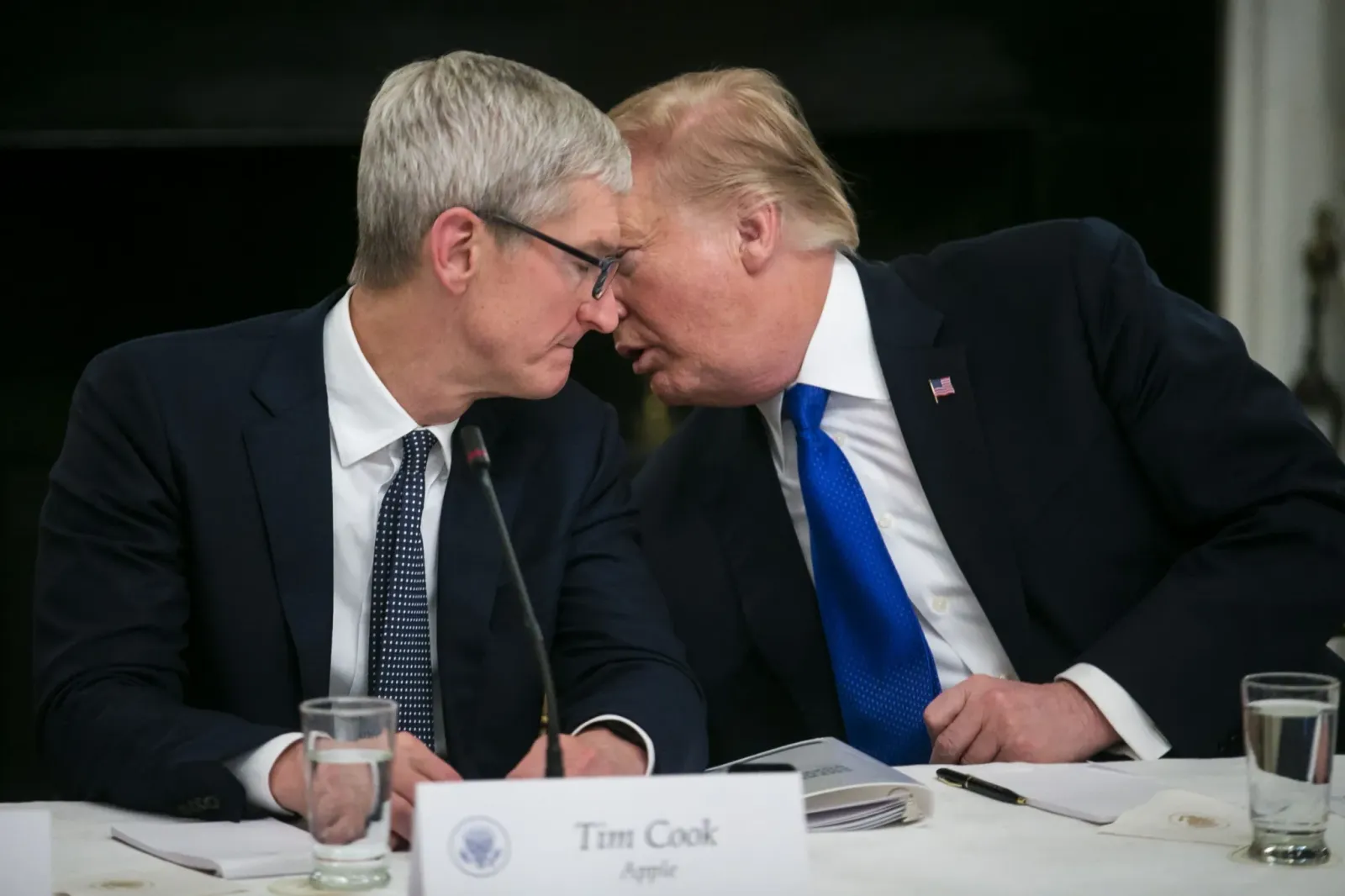
Tim Cook steps down as Apple CEO, stays on as chair with $45M equity
The 'Trump whisperer' keeps his White House and Beijing access as Apple navigates tariffs and a $4.6 trillion market cap.

Snowflake shares surge as AI data demand crushes estimates, lifting full-year forecast
Stocks jumped on stronger-than-expected guidance, signaling enterprise AI workloads are accelerating faster than Wall Street priced in.
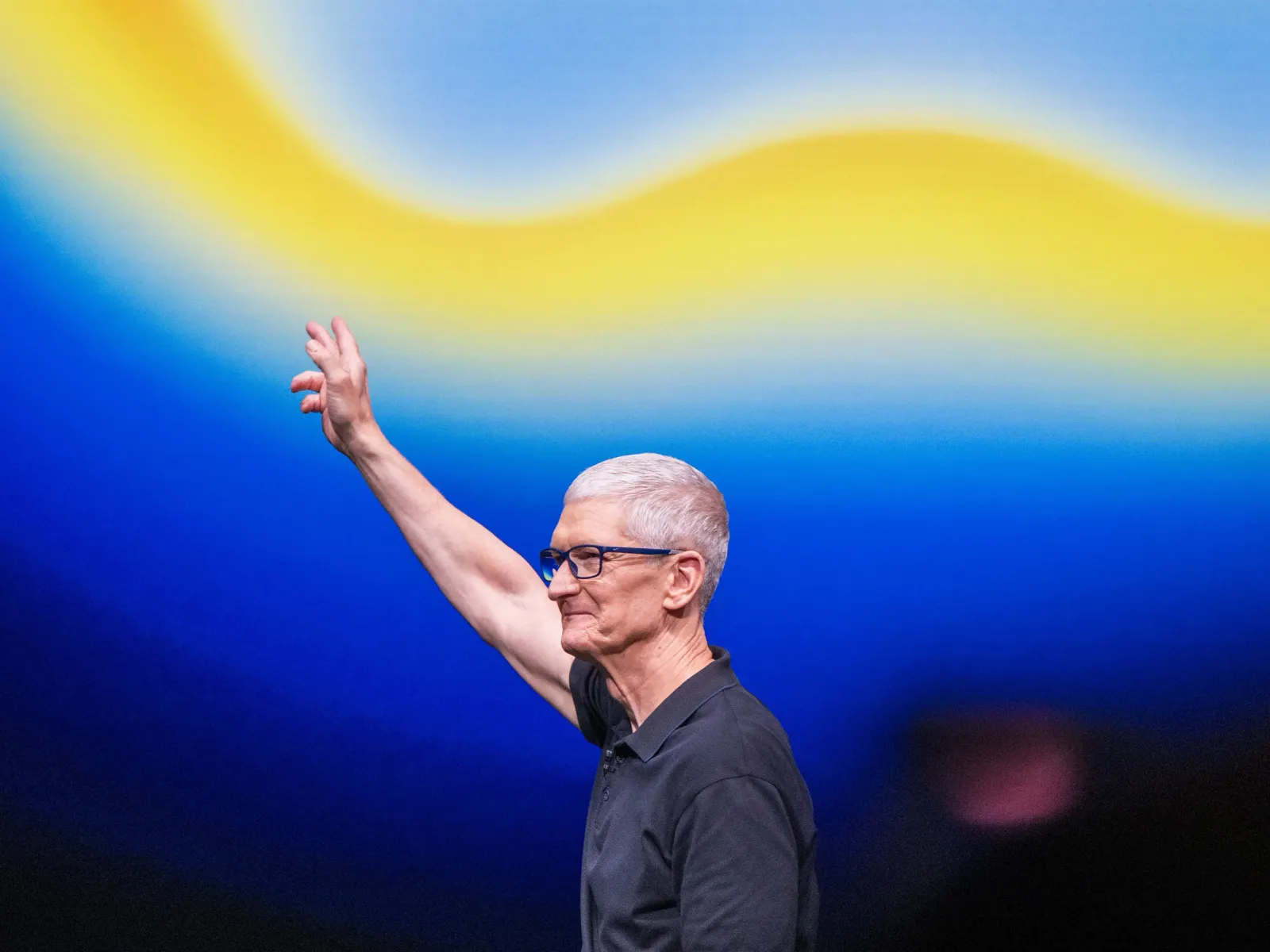
Tim Cook's 15-year Apple CEO run ends: 3 lessons for any successor
After 15 years, Tim Cook hands Apple to John Ternus - here's how he turned a $350B company into a $4.6T juggernaut.