
Gorillaz go stadium-big: Damon Albarn says the vibe is “ridiculous” backstage
Backstage with Damon Albarn, De La Soul, and Moonchild Sannelly as Gorillaz play their biggest show.

Damon Albarn, De La Soul, and Moonchild Sannelly speak backstage as Gorillaz stage what BBC News describes as their biggest one-off stadium show. For decision-makers, it is a real-world case study in how event-scale production, star collaboration, and fan expectation converge when the lights go nuclear.
Gorillaz are in stadium mode, and backstage Damon Albarn, De La Soul, and Moonchild Sannelly are treating the moment like it is bigger than a typical performance. BBC News sets the scene backstage at Gorillaz' epic, one-off stadium show, anchored by Albarn’s line that, “The vibe is ridiculous”. That phrase is not just a throwaway compliment, it is the clearest signal in the BBC write-up that this is a peak-scale event, built for maximum audience energy rather than quiet, incremental growth.
So what exactly is happening here? BBC News frames the segment as “Backstage at Gorillaz' epic, one-off stadium show,” with Albarn, De La Soul, and Moonchild Sannelly speaking as Gorillaz play their biggest show. That matters because “biggest” is not a vibe label, it is a sizing detail. Stadium scale changes everything: production planning, audience flow, media attention, and the commercial math of ticketing, sponsorship, and broadcast potential. The source does not spell out budgets or attendance figures in the text provided, but it does establish the event’s qualitative magnitude by emphasizing that this is both one-off and their biggest show.
From an executive perspective, big shows are rarely only about music. They are logistics, brand theater, and distribution all rolled into one. Gorillaz, as an act with a recognizable creative identity, also function like a media property. When an artist brand expands into stadium territory, the risk profile shifts. The margin structure can still be attractive, but the downside is sharper. Operational hiccups that would be noticeable in a club setting become existential at scale. That is why backstage moments like these are interesting for boards and operators. They show the human layer of readiness and the social proof loop that fans can feel: the presence of major collaborators and the sense that the performers themselves view the night as special.
De La Soul and Moonchild Sannelly showing up in the backstage framing is not incidental. Collaborations are one of the strongest levers for cross-audience reach, and at stadium scale, they can also help sustain the attention curve through the night. BBC News specifically names those two artists alongside Damon Albarn in the backstage conversation. For decision-makers, this is a practical reminder: event programming can be a growth tool, but only if the lineup feels coherent. A “biggest show” can fail if it feels like a random guest list. The BBC framing suggests the opposite, presenting the backstage group as part of a unified moment, with Albarn as the central figure whose comment captures the collective energy.
There is also a second-order point executives should care about: one-off events are a strategic bet on scarcity. “One-off” tells you Gorillaz did not want this to be just another stop on a tour map. Scarcity can drive demand, but it can also increase scrutiny. Investors and brand managers know that one-off spectacle can attract mainstream coverage, which is great, but it can also turn into a reputational stress test. If the night underperforms, there is less time to course-correct through repeat performances. So the backstage tone, at least in this BBC snapshot, is a small but meaningful data point. When the performers say the vibe is “ridiculous,” they are signaling alignment, not doubt.
Regulatory background is not front and center in the BBC excerpt provided, but stadium events are inherently bound up with public safety and local permitting realities, even when the article stays focused on entertainment. In practice, that means the event ecosystem often involves coordination across venues, local authorities, and public-safety requirements. The reason that matters for executives is simple: as scale increases, the number of stakeholders increases, and stakeholders can slow down operational decisions. A “biggest show” is not just a creative milestone. It is an organizational stress test, where compliance timelines can become production constraints.
For peers in similar roles, the strategic stake is how to turn cultural moments into durable business outcomes without breaking the event. Gorillaz are presented by BBC News as delivering an “epic, one-off stadium show,” and the backstage conversation foregrounds the performers’ sense of intensity. That is the kind of signal that can ripple outward: it can boost press momentum, strengthen sponsorship narratives, and create a cleaner story arc for fans who build community around shared moments. If you are an executive thinking about how to scale live entertainment, this is the real lesson embedded in a short backstage read: at stadium level, energy is operational, programming is strategic, and collaboration is leverage.
In other words, this is not only music news. It is an execution story. Damon Albarn, De La Soul, and Moonchild Sannelly are speaking from the backstage of Gorillaz’ biggest show, and the tone is confident enough to earn a quote like “The vibe is ridiculous.” That is the hook. The payoff is the reminder that stadium scale turns creativity into enterprise-grade coordination, where every decision can either amplify the audience experience or expose the cracks.
This story's Key Insights and Take-aways are locked.
Create a free account to unlock Executive Actions for one credit.
Register to UnlockAlways free for Executives Club members. Join the Club
More in Entertainment

Steam drops four paid games to free for 24 hours starting June 20
Management sim, grand strategy, sports, and mech FPS go free this weekend, so plan installs and playtime like a release week.
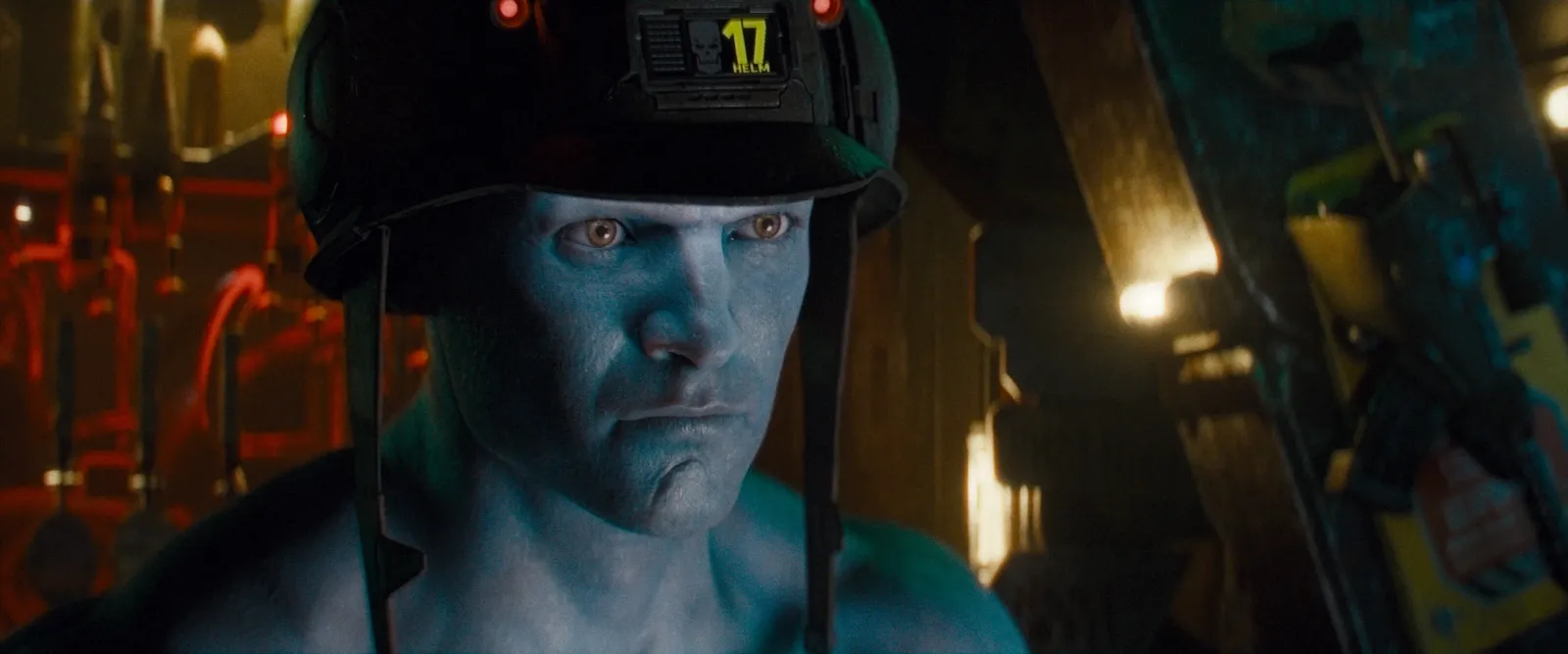
Duncan Jones says “Rogue Trooper” has no AI, then sells its indie-size miracle
The director-writer and producer break down how they landed major voice talent and kept the process clean.
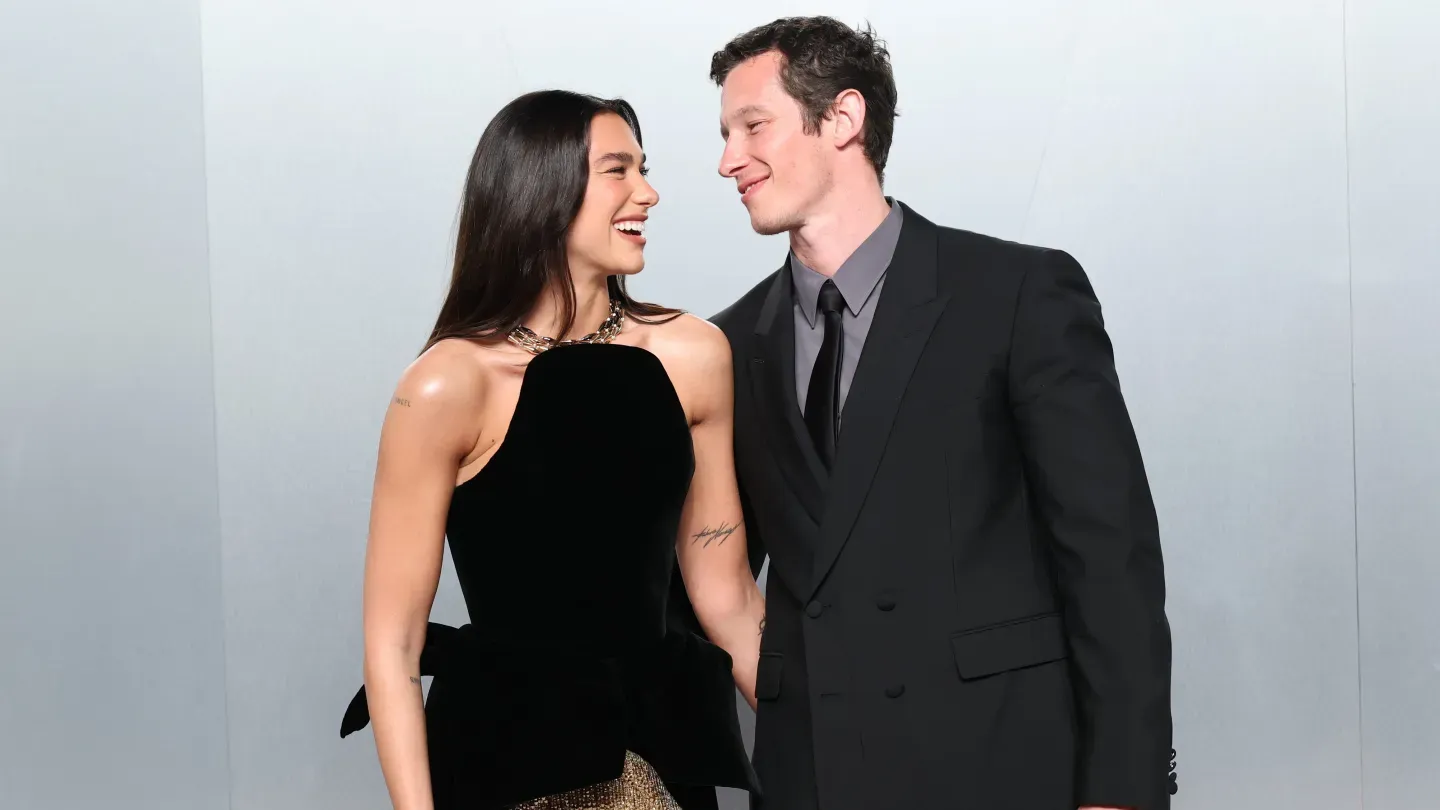
Dua Lipa posts first photos of her custom Chanel wedding dress after Palermo celebrations
The Grammy winner and Callum Turner share debut wedding-dress images from a separate three-day Palermo event.