
Gwynne Shotwell is SpaceX’s steady hand as Elon Musk pushes toward an IPO
Inside the adult-in-the-room dynamic: Shotwell’s operational control shapes how SpaceX survives the IPO spotlight.
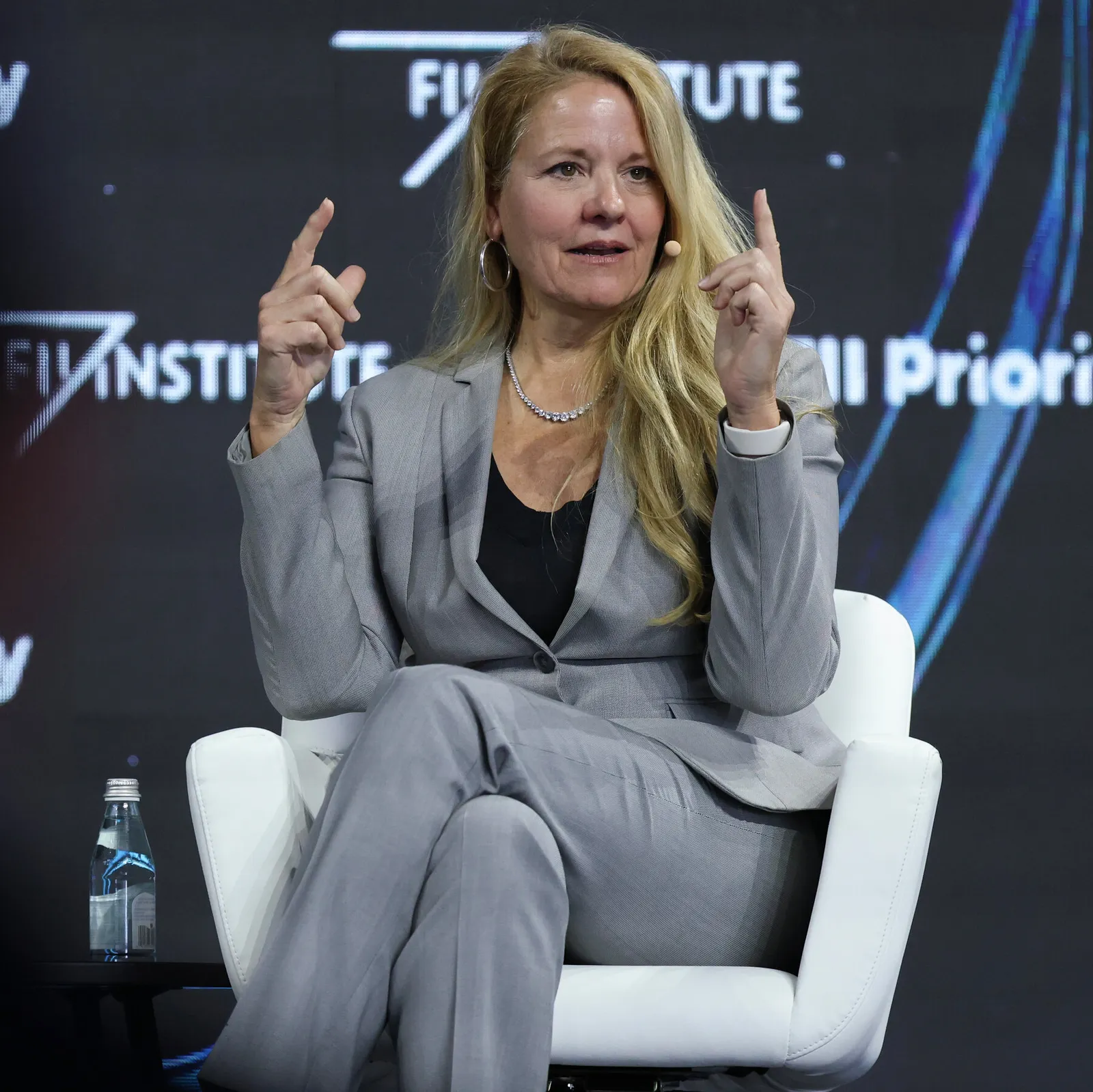
Gwynne Shotwell, president and chief operating officer of SpaceX, plays the operational counterweight to Elon Musk as SpaceX prepares for an initial public offering. For decision-makers, that internal balance matters because IPO-ready companies are judged on execution discipline, not just ambition.
Gwynne Shotwell, SpaceX’s president and chief operating officer, is the adult-in-the-room foil to Elon Musk as SpaceX prepares for a blockbuster initial public offering. That framing matters because an IPO is not only a financing event. It is a live audit of how a company runs, how it communicates, and how consistently it delivers when public scrutiny replaces private momentum.
In practice, Shotwell’s title is the point. As president and chief operating officer, she sits closer to day-to-day execution than the visionary pitch. Musk can set a thrilling direction for a company built on big bets, but an IPO forces the machine to demonstrate that the bets translate into repeatable operations. Shotwell is positioned as the steady hand in that transition, helping convert space-grade ambition into investor-grade predictability.
To understand why this “foil” dynamic is IPO-relevant, zoom out to how public markets think. Investors may reward audacity early, but they punish ambiguity once a company becomes accountable to shareholders. That shift changes what gets prioritized. Operational leadership typically becomes more visible because questions move from “can you do it?” to “how reliably do you do it?” and “what happens when timelines slip or costs move?” In other words, the company’s internal control culture becomes part of its valuation story.
There is also a board dynamics angle. Public-market readiness often depends on whether governance can keep pace with risk. A founder-led company can be fast, but speed without operational guardrails can create regulatory headaches and communication missteps once disclosures become mandatory. Shotwell’s role implies a different job description: keeping momentum while still aligning execution with the kind of reporting and processes that regulators and investors expect.
Regulation is the other half of the equation. An initial public offering brings a company into a tighter information regime, where filings and ongoing disclosures are scrutinized, and where the cost of being sloppy is measured in damaged credibility. Even when a company is technically extraordinary, it still has to satisfy the plain requirements of being investable in the public markets. That means strong internal coordination, documentation discipline, and the ability to answer investor questions without hand-waving.
For SpaceX, preparing for an IPO as a blockbuster event suggests the bar is even higher. Big public listings attract more media attention, more analyst coverage, and more impatient expectations. The operational leadership function becomes even more critical, because the company is not just selling a future. It is also defending its past and explaining its current path to results. In that context, Shotwell’s “steady hand” profile reads like a strategic necessity, not a character detail.
The second-order implication for peers is straightforward: executive roles that look like “management” become valuation-relevant when capital markets enter the picture. Founders can be catalysts for breakthroughs, but companies going public need operators who can run the calendar, manage constraints, and translate progress into disclosures that stakeholders can trust. If you are a CEO or board member at a high-velocity company, you should treat the internal balance between vision and execution as part of your IPO plan, not an internal personality preference.
Finally, for decision-makers watching SpaceX, the Shotwell-Musk dynamic is a signal about what happens when a private company’s culture meets public-market mechanics. The IPO spotlight turns every milestone into a test. Shotwell’s presence as president and chief operating officer, described as the adult-in-the-room foil, points to the kind of control systems and operational grounding that can help a company stay coherent under that pressure. That is the real stake for anyone evaluating or following IPO-bound tech and industrial innovators. The story is not just what they can launch. It is how they can keep delivering once the world is watching.
This story's Key Insights and Take-aways are locked.
Create a free account to unlock Executive Actions for one credit.
Register to UnlockAlways free for Executives Club members. Join the Club
More in Technology

OpenAI says 10,000 agents cracked a 90-year math problem in 88 hours
The company's claim is audacious, but one mathematician is pushing back. Here's what it means for AI-driven discovery.

Meta still serves child sexual abuse ads on Instagram in India - BBC report
A new report following the BBC Eye investigation says the ads are still there - what it signals for every platform with a self-serve ad engine.

White House yanks 'Build the Wall' game after Tetris Company copyright warning
The administration's arcade game vanished in hours - and the takedown playbook every brand can learn from.