

Harris names JFK and Obama as “most effective,” skips Biden at National Urban League
At a National Urban League event, Kamala Harris ranks presidents and leaves out her own commander-in-chief, Joe Biden.
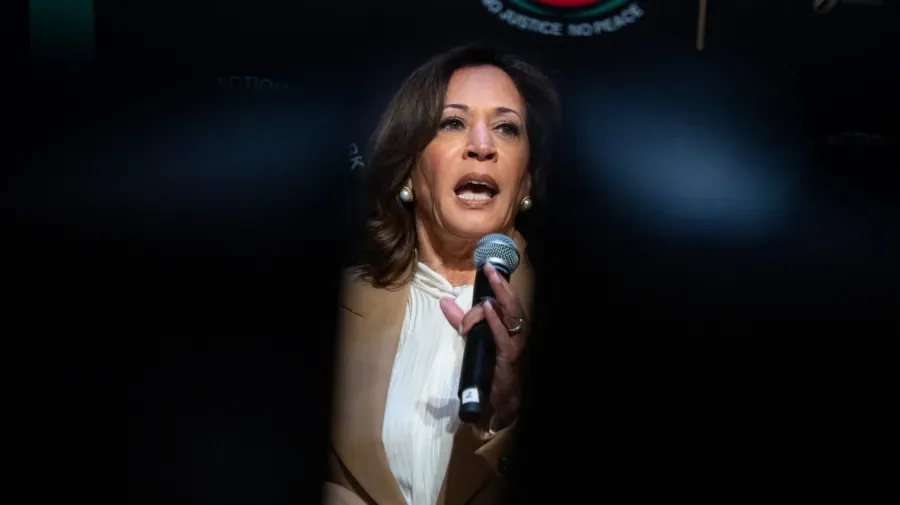
Former Vice President Kamala Harris was asked at the National Urban League Conference to rank the “top 3 most effective American presidents in American history,” and she cited JFK and Obama while omitting former President Joe Biden. The decision creates immediate political optics and raises questions about how future White House messaging might be framed.
Former Vice President Kamala Harris took the stage at the National Urban League Conference and named the “most effective presidents in American history,” citing John F. Kennedy and Barack Obama. But when it came time to rank her top picks, she left out former President Joe Biden, despite having served as his second-in-command.
The moment was prompted by National Urban League President Marc Morial, who asked Harris to “rank the top 3 most effective American presidents.” Harris’s answer, in addition to spotlighting JFK and Obama, created a clear subtraction: Biden is not on the list. For anyone tracking how Harris thinks about legacy and policy credibility, that omission is the story.
Why does this matter beyond the headlines? Because “most effective” is not a neutral phrase. It is shorthand for a whole bundle of judgments: political leadership under pressure, legislative results, crisis handling, and perceived outcomes that supporters and critics will interpret through their own lenses. In Washington, these lists are never just about history. They are about signaling what a leader values, how they want to be measured, and which eras they want to be tethered to when voters, donors, and institutions look for continuity or contrast.
Also, Harris is not speaking in a vacuum. The National Urban League is a well-known civil-rights organization, and its leadership includes Marc Morial. Conference audiences like this one are typically made up of community leaders, advocates, and policymakers who do not just listen to policy proposals. They listen to framing. They listen to who gets credit and who gets left out, because those choices map onto priorities such as economic mobility, civil rights enforcement, and the relationship between government action and lived outcomes.
For decision-makers who live in the world of reputations and risk, the practical point is this: when Harris omits Biden while naming JFK and Obama, it signals she may be willing to draw sharper boundaries between her own lane and the incumbent record. That matters for anyone negotiating with the Democratic coalition, building coalitions, or preparing for future administration-level policy direction, because presidents are not the only ones who set agendas. Second-in-command figures, especially high-profile ones, can shape the party narrative by deciding what “effective leadership” looks like.
From a capital markets perspective, political signaling often shows up indirectly. Markets do not price “president rankings.” But they do price regulatory expectations. In the US, regulatory posture can swing with administration priorities, and priorities can swing with how leaders want to be perceived. When a prominent political figure chooses which modern eras to elevate, it can feed assumptions about future governance style, enforcement intensity, and where political capital is likely to be spent.
There is also an internal dynamic to consider. Harris served as vice president under Biden, which means she has institutional knowledge of how that White House operated. Omitting Biden is therefore not simply a harmless preference. It changes the interpretive math for allies and opponents alike. Supporters may read it as selective emphasis on the elements of leadership she wants to spotlight. Critics may read it as distance from Biden-era decisions. Either way, the second-order implication is that Harris is actively curating the historical references that will color her public identity.
For executives, founders, and board members who deal with government through contracts, compliance, subsidies, workforce programs, or regulatory approvals, political optics can become operational realities. Not because a president ranking directly changes rules overnight, but because reputations influence who gets airtime, which policy threads get pulled forward, and how quickly institutions align around a perceived future center of gravity. The omission of Biden is one of those small but telling moves that can ripple through how stakeholders prepare, lobby, and plan.
In a political environment where narratives move faster than legislation, Harris’s list offers a snapshot of what she wants to be associated with: JFK and Obama, not Biden. The strategic stake is simple. If you are tracking leadership succession and policy direction, you should pay attention not only to what Harris says she values, but also to what she chooses not to credit.
This story's Key Insights and Take-aways are locked.
Create a free account to unlock Executive Actions for one credit.
Register to UnlockAlways free for Executives Club members. Join the Club
More in Politics
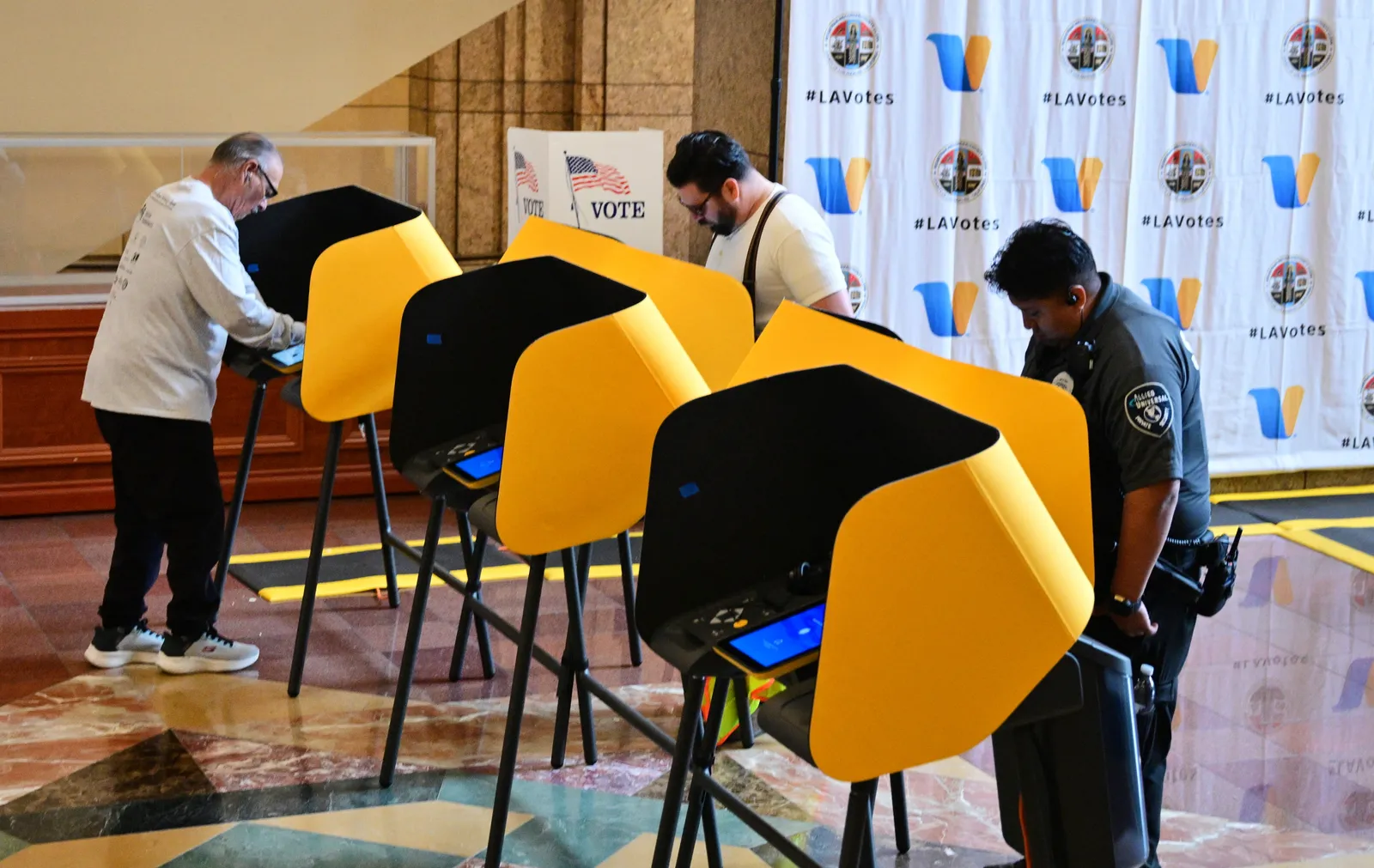
LA County: DOJ's 20,000 'noncitizen' voter list is 'unreliable,' includes U.S.-born
Preliminary review by Los Angeles County election officials finds errors in the federal list, raising the stakes for voter roll integrity ahead of November.
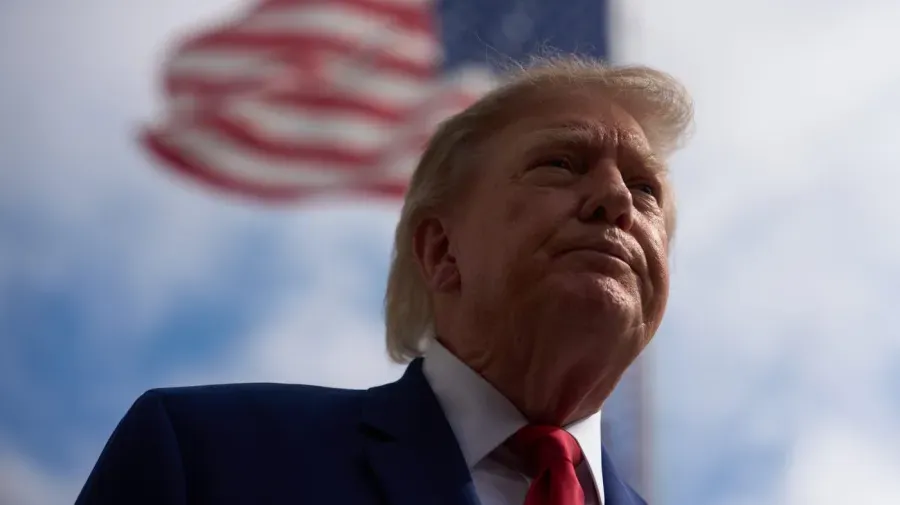
Trump's $1.5B Pentagon chip investment lands in North Carolina
A $1.5 billion defense infusion for North Carolina chipmaking signals a new era of Pentagon-backed reshoring - here's what it means for the industry.

Nigeria confirms first Ebola case in Abuja, a woman just off a Uganda flight
Health Minister Muhammad Ali Pate says the patient flew in from Uganda, putting Africa's latest outbreak on Nigeria's doorstep.