
Hong Kong poised to dethrone New York, London as top finance hub: GFCI creator
The creator of the Global Financial Centres Index says an Asian city will eventually take the crown, with Hong Kong's legal predictability and low taxes making it a front-runner.
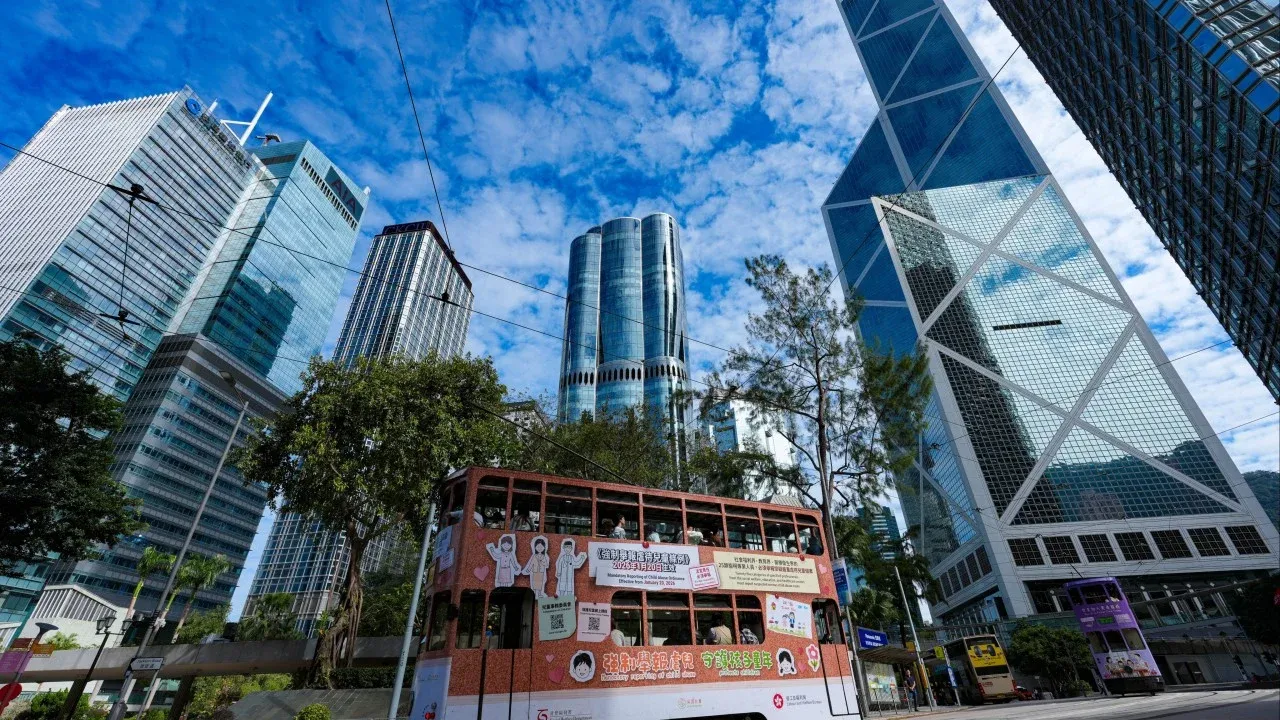
Michael Mainelli, chairman of Z/Yen Group and creator of the Global Financial Centres Index, says an Asian city will eventually overtake London and New York as the world's leading financial centre, with Hong Kong well placed. This signals a potential shift in global capital flows and regulatory competition for financial firms.
Michael Mainelli, chairman of London-based think tank Z/Yen Group and creator of the Global Financial Centres Index, says an Asian city will eventually overtake London and New York as the world's leading financial centre, with Hong Kong well placed to compete for the top spot. In an interview with the South China Morning Post, Mainelli pointed to Hong Kong's legal predictability and low tax burden as decisive advantages, arguing that the race is far closer than the current ranking suggests. "It's going to happen because it's so tight," he said, referring to the narrowing gap between the top financial hubs.
The prediction is not a forecast of an imminent change, but a recognition of a trajectory that has been building for years. The Global Financial Centres Index, published twice a year by Z/Yen Group, ranks financial centres based on a combination of external data and survey responses from financial professionals. London and New York have traditionally led the index, but the margin has been shrinking as Asian centres like Hong Kong and Singapore close the distance. Mainelli's comments suggest that the next edition could see a historic shake-up, with Hong Kong potentially unseating one or both of the Western incumbents.
Hong Kong's appeal rests on two pillars that are hard to replicate: a common law legal system that offers predictability for international contracts and dispute resolution, and a low, simple tax regime that attracts capital and talent. These structural advantages make it an attractive base for financial institutions, asset managers, and multinational corporations looking to serve Asian markets. While geopolitical tensions and regulatory crackdowns have raised concerns in recent years, Mainelli's assessment underscores that the fundamentals of legal certainty and tax efficiency remain powerful magnets for global finance.
For CFOs and treasurers, a shift in the top financial centre ranking could influence decisions on where to establish regional headquarters, book trades, or hold capital. If Hong Kong ascends, it could accelerate the flow of IPOs, bond issuances, and asset management mandates to the city, as firms seek to align themselves with the hub that offers the most favorable conditions. Conversely, London and New York may need to reassess their regulatory and tax competitiveness to retain their status, potentially leading to policy changes that benefit businesses across the board.
The second-order effects extend beyond the financial sector. A top ranking for Hong Kong would mark a definitive shift of financial gravity toward Asia, aligning with broader economic trends that have seen the region's share of global GDP rise steadily. It could also prompt other Asian hubs like Singapore to sharpen their own offerings, intensifying competition within the region. For global banks, this means more options and potentially better terms as cities vie for their business, from licensing regimes to tax incentives.
Mainelli's comments also carry symbolic weight for the perception of Hong Kong's role in the global system. Despite political and regulatory headwinds, the city's deep capital markets, skilled workforce, and connectivity to mainland China remain unmatched. The GFCI's methodology weighs factors such as business environment, human capital, infrastructure, and financial sector development, and Hong Kong scores highly on most of these. The fact that its creator sees it as a future number one is a signal to investors and executives that the city's fundamentals are not eroding as quickly as some headlines suggest.
For decision-makers, the takeaway is clear: the geography of global finance is becoming more fluid, and the next few years could redefine where the world's money is managed. The gap between the top centres is tight enough that a single policy shift, a major IPO, or a regulatory reform could tip the balance. Companies that are agile enough to reposition their regional operations or treasury functions may gain a competitive edge as the ranking evolves. The race is not just about prestige; it is about access to capital, talent, and the most efficient legal and tax frameworks.
Ultimately, Mainelli's prediction is a call to action for financial leaders. Whether Hong Kong actually takes the top spot in the next edition of the GFCI or not, the trend is clear: Asia is rising, and the traditional dominance of London and New York is no longer a given. For executives, the smart move is to evaluate their own exposure to these shifts, diversify their regional footprints, and stay attuned to the regulatory and tax changes that will shape the next decade of global finance.
This story's Key Insights and Take-aways are locked.
Create a free account to unlock Executive Actions for one credit.
Register to UnlockAlways free for Executives Club members. Join the Club
More in Business
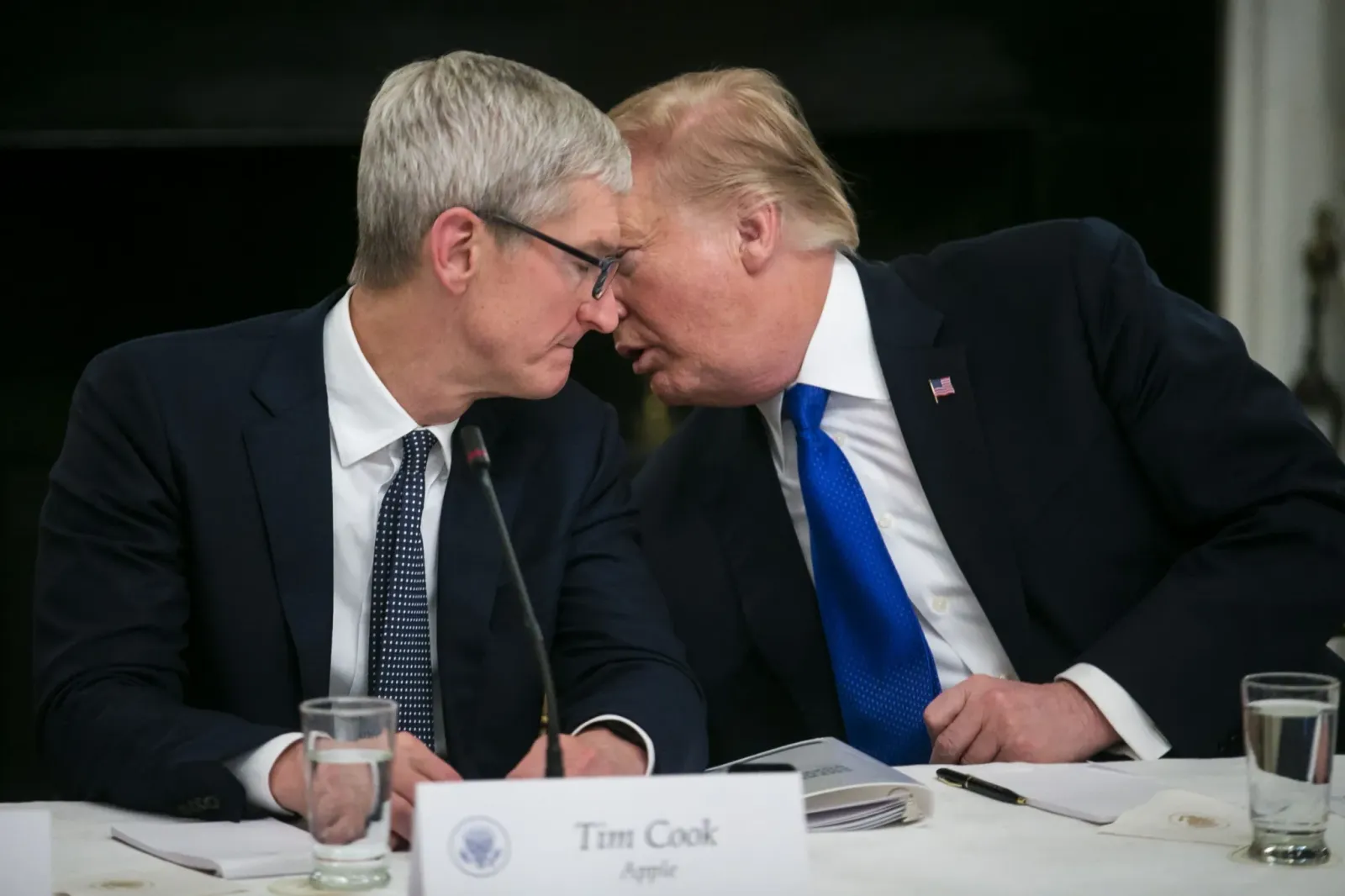
Tim Cook steps down as Apple CEO, stays on as chair with $45M equity
The 'Trump whisperer' keeps his White House and Beijing access as Apple navigates tariffs and a $4.6 trillion market cap.

Snowflake shares surge as AI data demand crushes estimates, lifting full-year forecast
Stocks jumped on stronger-than-expected guidance, signaling enterprise AI workloads are accelerating faster than Wall Street priced in.
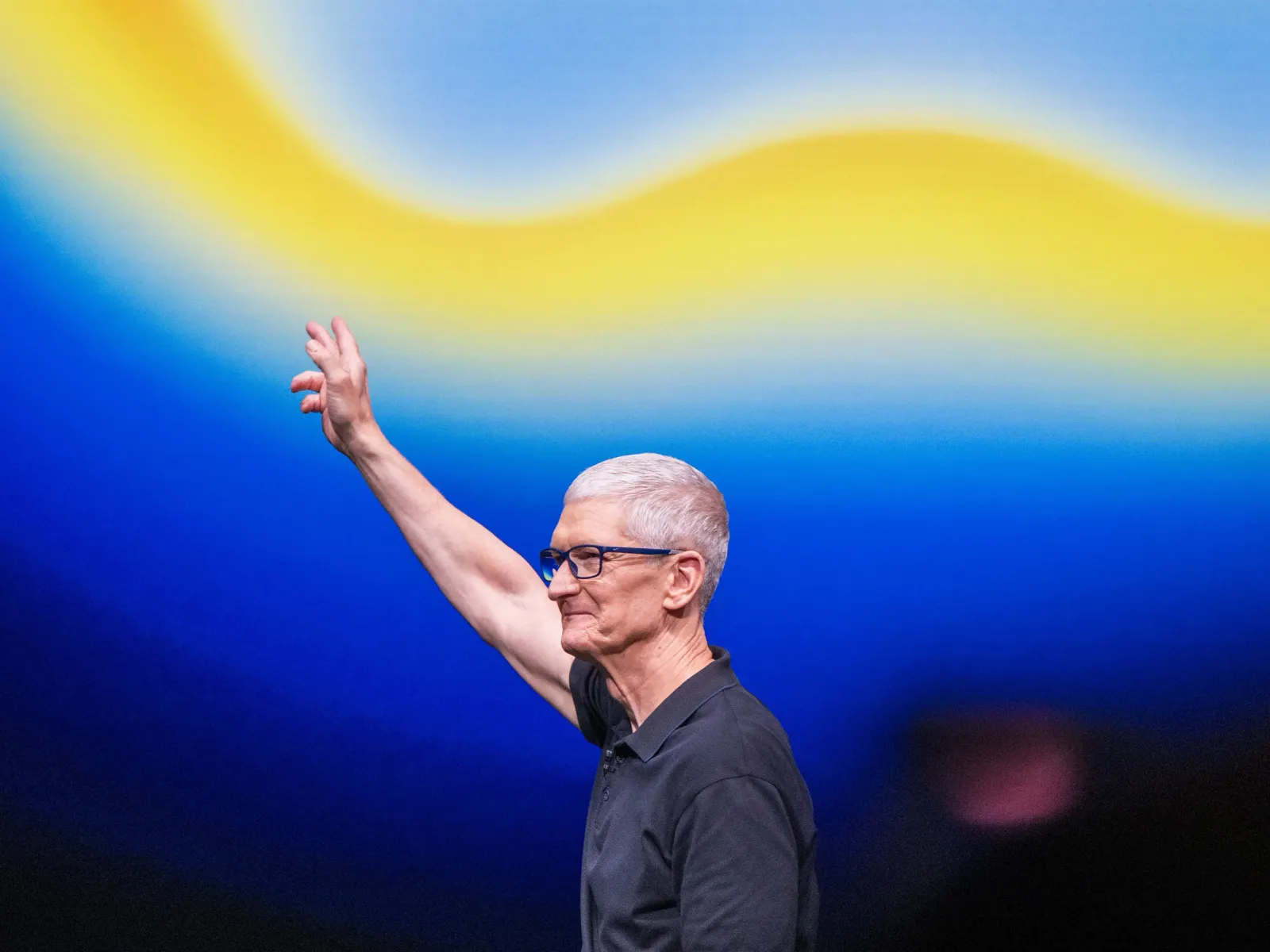
Tim Cook's 15-year Apple CEO run ends: 3 lessons for any successor
After 15 years, Tim Cook hands Apple to John Ternus - here's how he turned a $350B company into a $4.6T juggernaut.